High vs. Low Porosity Hair: What's the Difference?
Searches for "high porosity vs low porosity hair" have jumped more than 170% recently. That's not random. More people are realizing their hair texture isn't the issue—the real variable is how their hair functions.
In the simplest terms, hair porosity is how easily your hair absorbs and holds onto water. If you have low porosity hair, moisture tends to sit on the surface because the cuticle lies flat and tightly packed. If you have high porosity hair, water rushes in quickly but escapes just as fast because the cuticle is lifted or damaged.
The difference comes down to structure, and structure influences everything. Once you understand porosity, a lot starts to click: Why your hair frizzes in humidity. Why it dries in 20 minutes or takes half a day. Why some routines feel like they should work but never quite do.
So let's break it down.
What Is Hair Porosity?
Hair porosity refers to the condition of the hair cuticle, the outermost protective layer of the strand.
Each hair fiber is made of:
- The medulla at the core
- The cortex, which contains keratin and gives hair strength
- The cuticle, a layer of overlapping scale-like cells
Under a microscope, the cuticle looks like shingles on a roof. When those shingles lie flat, moisture moves in slowly and stays balanced. When they lift or chip, water moves in and out rapidly.
Healthy human hair can swell up to 15–18% in diameter when exposed to water. That swelling is normal. Excessive swelling, however, stresses the cortex and weakens the strand over time.
So, porosity isn't about curl pattern. It's about permeability.
High Porosity vs. Low Porosity: Key Differences
Here's the structural breakdown:
Low Porosity Hair
- Cuticle lies flat and tightly packed
- Water beads on the surface before absorbing
- Takes longer to dry
- Prone to product buildup
- Often appears shiny but can feel resistant
High Porosity Hair
- Cuticle is raised, chipped or uneven
- Absorbs water quickly
- Dries very fast
- Prone to frizz in humidity
- More vulnerable to breakage
In controlled cosmetic science studies, chemically treated hair can show up to a 30% reduction in tensile strength compared to virgin hair. That loss of strength directly correlates with increased porosity.
High porosity usually builds up over time—things like heat styling, bleaching, sun exposure and harsh shampoos all add up. Low porosity is often something you're born with, but your daily routine can still make a difference.
How Do You Test Your Hair Porosity?
The internet loves the "float test," in which you drop a strand in water and see if it sinks. Here's the truth: The float test is unreliable.
Oil residue, product buildup and even water temperature can skew results. A more accurate assessment comes from observation and behavior.
Ask yourself:
- Does my hair take more than 10 minutes to feel fully saturated in the shower?
- Does it air-dry in under an hour?
- Does humidity instantly create frizz?
- Do lightweight products seem to sit on top instead of absorb?
High porosity hair dries a lot faster than low porosity hair because moisture escapes quickly through its lifted cuticles. Low porosity hair often resists both water and conditioning agents because the cuticle is compact.
You know your hair best! The behavior you see day in and day out will tell you more than a glass of water ever will.
What Causes High Porosity Hair?
High porosity is rarely random. It's usually structural damage. Common causes include:
- Heat styling: Keratin proteins begin to break down around 311–320°F (155–160°C). Flat irons often exceed 390°F. This type of repeated exposure weakens the cuticle layer.
- Bleaching and chemical services: Lightening agents break down melanin by penetrating the cortex. In the process, they disrupt cuticle integrity—sometimes after just one treatment.
- UV exposure: UV radiation degrades hair proteins and lipids. Over time, this erodes cuticle cohesion.
- Detergent-based cleansing: Many traditional shampoos rely on strong surfactants designed to remove oil aggressively, which can compromise the cuticle over time.
When the cuticle stays lifted, moisture moves unpredictably. That instability leads directly to frizz, breakage and split ends—meaning frizz is often a porosity issue in disguise. If frizz is your main complaint, read our guide on how to stop frizzy hair at the source.
Can Low Porosity Hair Become High Porosity?
Short answer: Yes.
Long answer: Porosity can increase over time due to cumulative stress. Repeated heat styling, chemical processing and harsh cleansing gradually chip away at cuticle layers.
Think of it like fabric: One wash won't destroy it. But hundreds of washes will.
Research on hair fiber fatigue shows that repeated swelling cycles reduce mechanical strength. Every wash expands the strand. Every dry cycle contracts it. Over time, that stress adds up.
The goal isn't to avoid washing. It's to minimize structural disruption during cleansing.
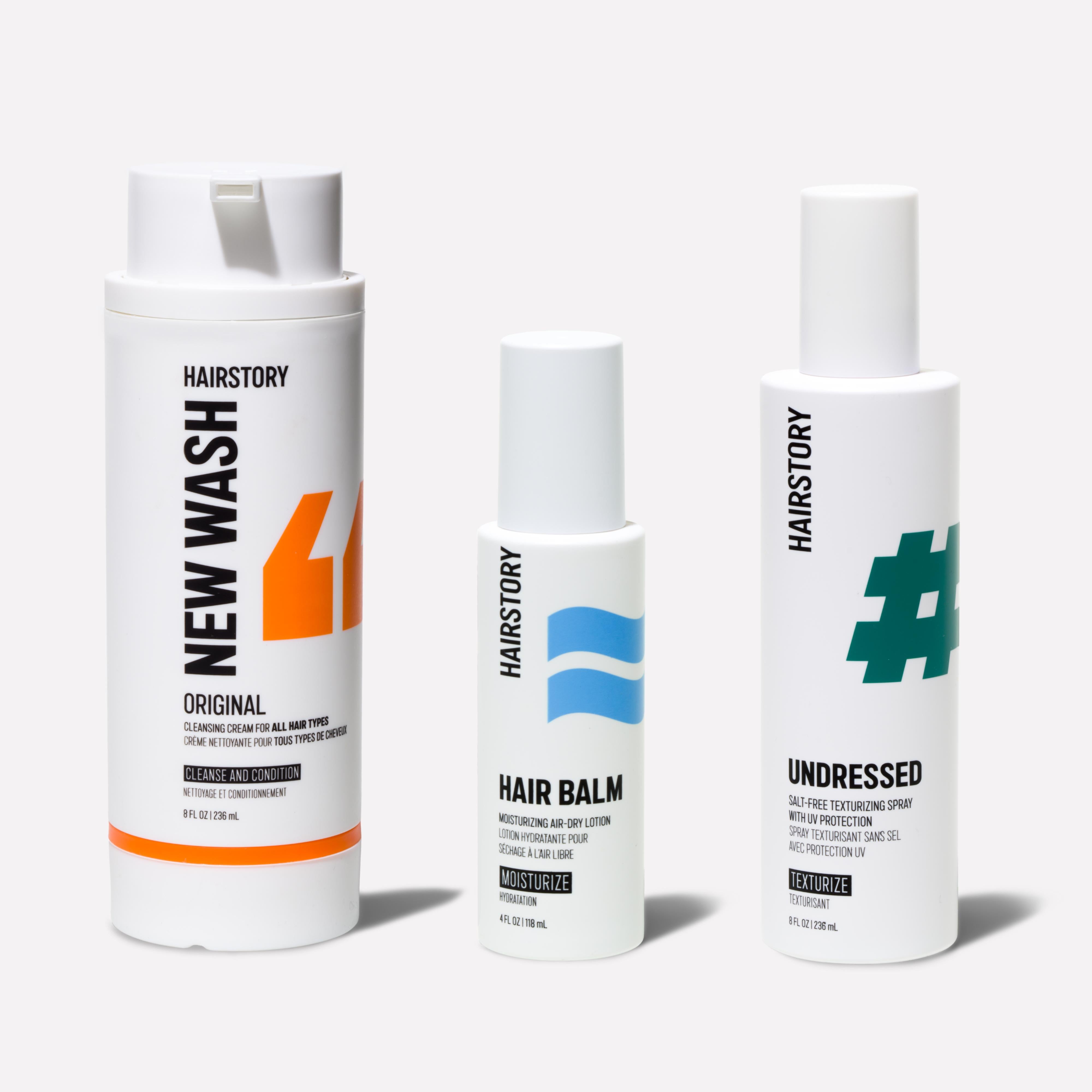
This is where formulation matters. A detergent-free cleansing cream like Hairstory New Wash cleans the scalp and hair without aggressively lifting the cuticle. Instead of forcing the hair shaft to swell rapidly, it supports a more controlled moisture exchange with gentle, non-toxic ingredients like evening primrose oil and jojoba oil.
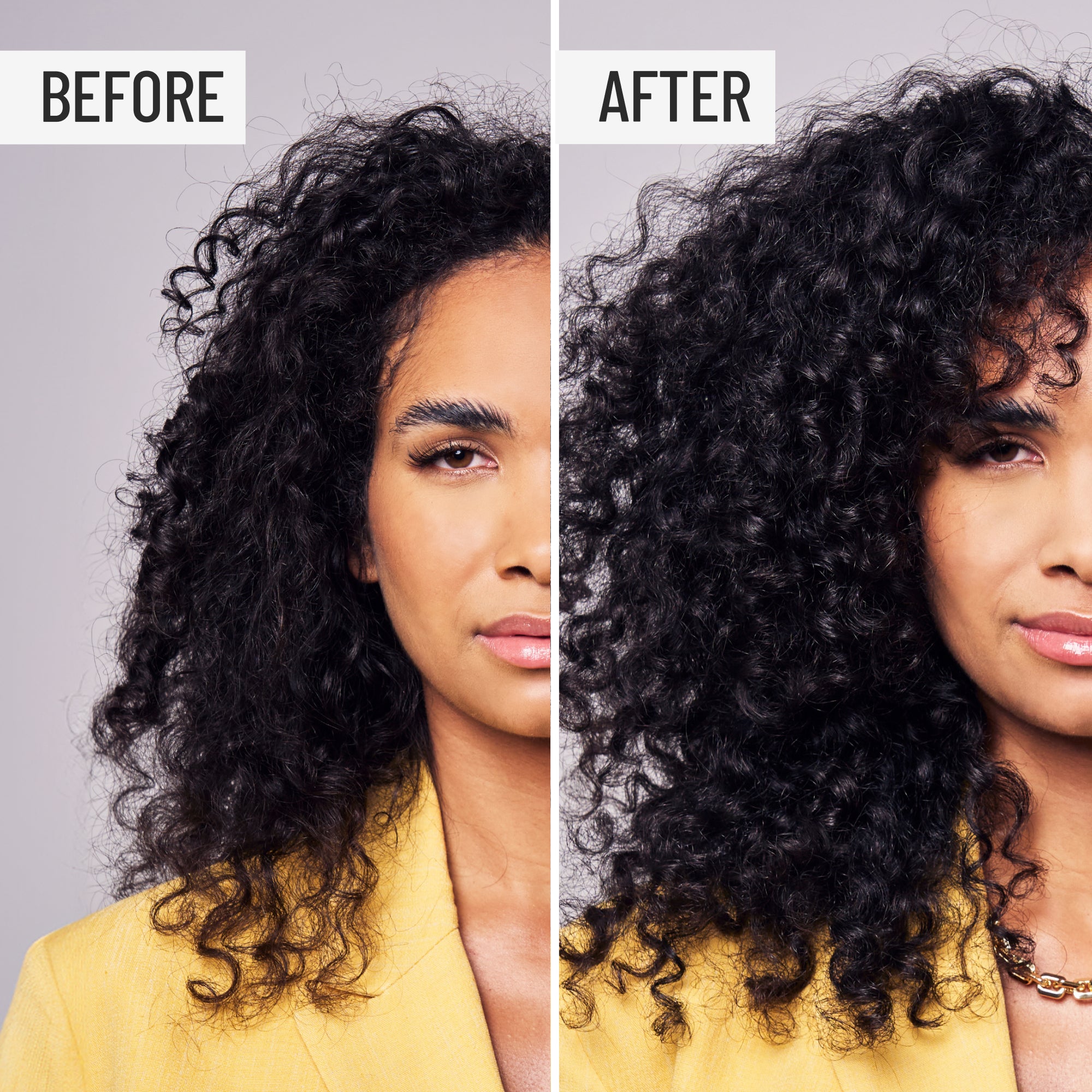
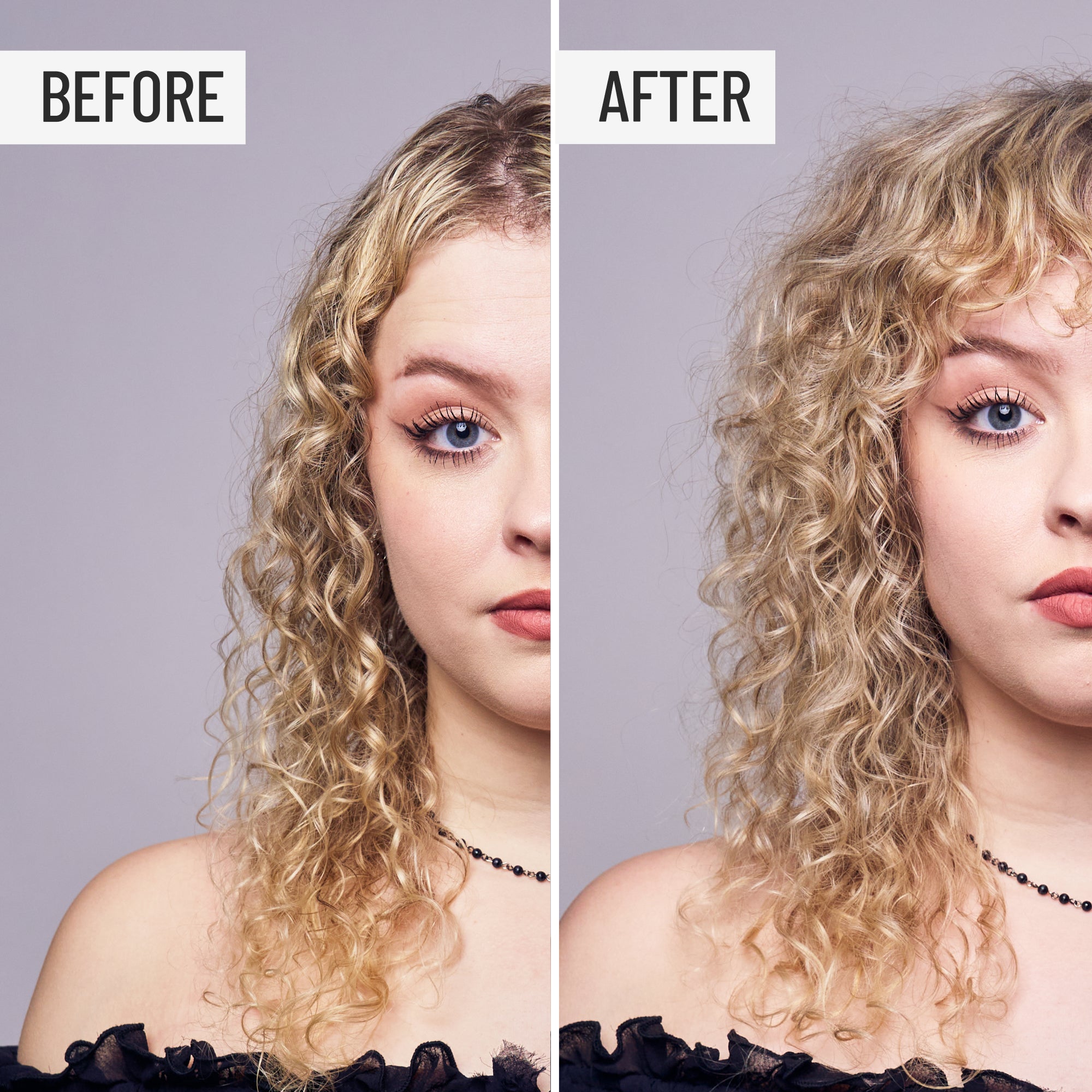
That's why many people switching to New Wash notice reduced frizz and improved elasticity within weeks (and even days).
How Should You Care for High vs. Low Porosity Hair?
Unfortunately, porosity can't be changed overnight. But your routine can support balance.
If You Have High Porosity Hair
Focus on:
- Reducing heat exposure and styling
- Avoiding aggressive detergents
- Using conditioning agents that reinforce the cuticle
- Limiting chemical services like bleach and relaxers
High porosity hair loses moisture quickly, so the goal is to reduce excessive swelling and contraction cycles. If you're noticing breakage or rough ends, you may also want to read our breakdown of how to fix split ends, which are often the downstream result of high porosity.
If You Have Low Porosity Hair
Focus on:
- Lightweight hydration
- Gentle cleansing to prevent buildup
- Occasional clarifying if necessary
- Heat styling at lower temperatures
Low porosity hair doesn't need heavier products. It needs formulations that won't sit on the surface, like Hairstory Hair Balm.
No matter your hair porosity, prevention matters more than repair.
Is Porosity Permanent?
Some structural damage cannot be reversed. Once the cuticle is physically chipped away, it cannot regenerate. However, you can:
- Repair your bonds with Hairstory Bond Boost for New Wash and Bond Serum
- Reduce further structural stress
- Improve cuticle alignment
- Minimize friction from towels, hats, etc.
- Support moisture balance
If you're unsure whether your porosity issues stem from heat styling, review the early warning signs of heat damage. Many people mislabel damage as dryness—which is a whole separate discussion!
The Bigger Picture: Why Porosity Explains Almost Everything
Frizz. Breakage. Split ends. Dullness. Hair that dries out less than five minutes after you style it. Most of the concerns we blame on "bad hair days" actually trace back to one thing: the cuticle.
When the cuticle is intact and lying relatively flat, hair behaves in a predictable way. It holds moisture more evenly, it reflects light for a glossy shine, it responds consistently to styling. When the cuticle is disrupted, everything feels harder. Humidity hits and your shape changes, ends split faster, shine disappears.
The internet might tell you to add more moisture, and sometimes that does help. But moisture alone isn't the full story. Porosity determines how your hair handles that moisture once it's there. If the strand is overly porous, water moves in and out too quickly. If it's tightly sealed, products may struggle to penetrate at all.
Over time, habits matter. Repeated heat styling, chemical services and aggressive cleansing can gradually rough up the cuticle. Your strands become more reactive to humidity, friction and temperature shifts, and that reactivity compounds into frizz.
Here's the real shift: Better, healthier hair doesn't start with styling tricks. It starts with understanding structure and preventing damage before it happens.
Read More
- How to Stop Frizzy Hair at the Source
- Heat Damage Symptoms: How to Tell If It's Too Late
- How to Fix Split Ends (What Actually Works)
The information in this article is for educational purposes only and is not intended as medical advice. Always consult a board-certified dermatologist or qualified healthcare provider if you have concerns about your hair or scalp health.