Contrary to popular belief, your hair does not get bored. It does not crave one shampoo on Tuesday and decide it wants another one on Saturday.
It craves the right cleanser for your hair type – and the right products to help you achieve your hair goals. Don’t over-complicate it; keep your hair care routine simple and effective. Here’s how.
WHAT IS A GOOD HAIR CARE ROUTINE?
First of all, a good hair care routine is one that you can manage easily, and that gives you the most benefits. If your hair is healthy – not color-treated, rarely heat-styled, and straight-to-wavy – you can do just about anything, or not do anything, and your hair will most likely be just fine, especially if you’re in the flower of youth. Consider yourself lucky, and know that you’re the envy of people whose hair types or condition is considerably more high-maintenance. A healthy hair type is the easiest to maintain and will require the fewest hair care products.
Curls, afro, and coarse, coily textures run naturally dry and require some extra TLC to keep them soft, supple, and frizz-free. The condition of your scalp is also a factor as a healthy scalp is literally at the root of healthy hair. But wherever you fall on the spectrum of human hair types, a hair routine can go wrong quickly if you aren’t cleansing properly. Even healthy hair needs to be regularly cleansed to avoid becoming damaged hair. Keeping it healthy ensures a better hair growth rate and can help it recover from damage.
WHAT IS THE BEST WAY TO WASH AND CONDITION HAIR?
To a degree, your best washing method depends upon which type of hair you have, how much effort you’re willing to expend, and how you feel about commercial products versus DIY or minimalistic practices such as water-only washing. But in any case, the best way to wash is without traditional shampoo. Take a look at the gamut of washing methods, including co-washing here.
Wait… what? You read that correctly: Shampoo is the worst way to get your hair clean, or rather, shampoo gets hair too clean for its own good while stripping away the natural oils that your scalp secretes and that most people consider “dirty.” To the contrary; preserving your natural oils – called sebum – is essential to keeping your hair and scalp in mint condition.
Straight hair, wavy hair, curly hair, thick hair, thin hair, and damaged hair all will be healthiest without shampoo. In fact, many people experience an allergic reaction to shampoo and have transitioned to a co-washing method to eliminate skin irritation.
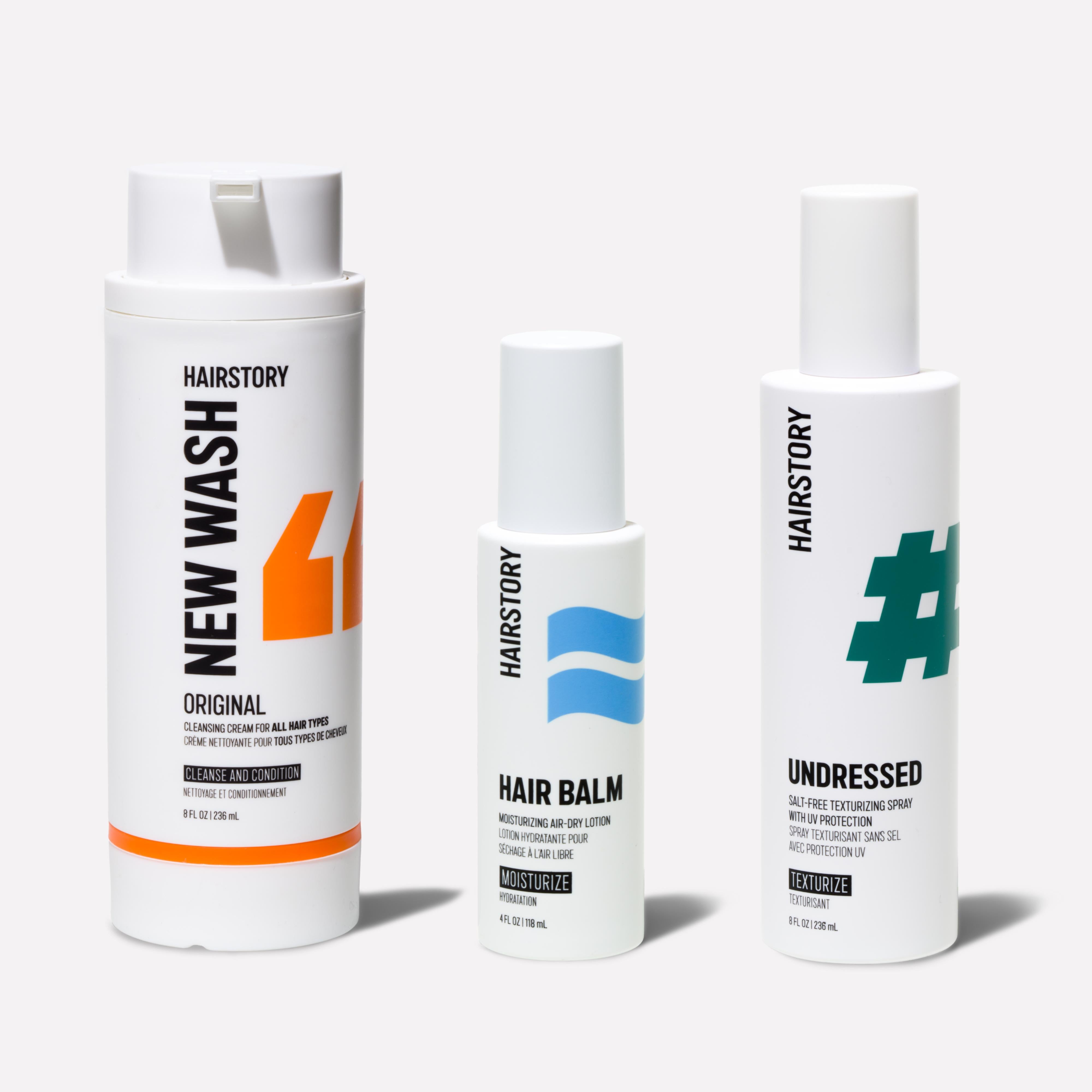
To this end, ban detergent-based cleansers from your shower (unless the tile needs a good scrub). Instead replace those stripping formulas with the gentlest possible ones. New Wash is available in three variations tailored to what you need both in terms of cleansing and conditioning – they do both simultaneously – and we promise you’ll never want to go back to shampoo again.
Aside from treating hair as the delicate fabric it really is, saying no to the suds will make the rest of your routine simpler than you can imagine. After shampoo, you probably reach for the conditioner, right? Well, a conditioning cleanser such as New Wash makes rinse-out conditioners obsolete, and that means crossing off one step in your usual hair routine.
HOW LONG DOES IT TAKE FOR YOUR HAIR TO ADJUST TO A NEW CLEANSER?
If you’re stuck on traditional shampoo, the question is moot, because your hair is being cleansed pretty aggressively, and the nuance of response can be difficult to discern. But if you plan to abandon the shampoo ship and embrace a non-detergent variety, you might well experience an adjustment period – especially if you were a daily washer – as your scalp adjusts to a decreased demand for sebum secretion. This hair regimen adjustment period may last about two weeks, and though your might get more oily faster, it will pass.
WHAT IS THE BEST DAILY HAIR CARE ROUTINE?
The best daily hair care is that which tortures your hair the least. Fortunately, we are living in a time when we are more accepting of the uniqueness of each individual, and the pressure to conform to a beauty standard is far less intense than in the past. That means, for example, that the expression of natural curls or afros is no longer shocking, and yes, it once was; corporate and academic codes of appearance have actually forbidden them until recently.
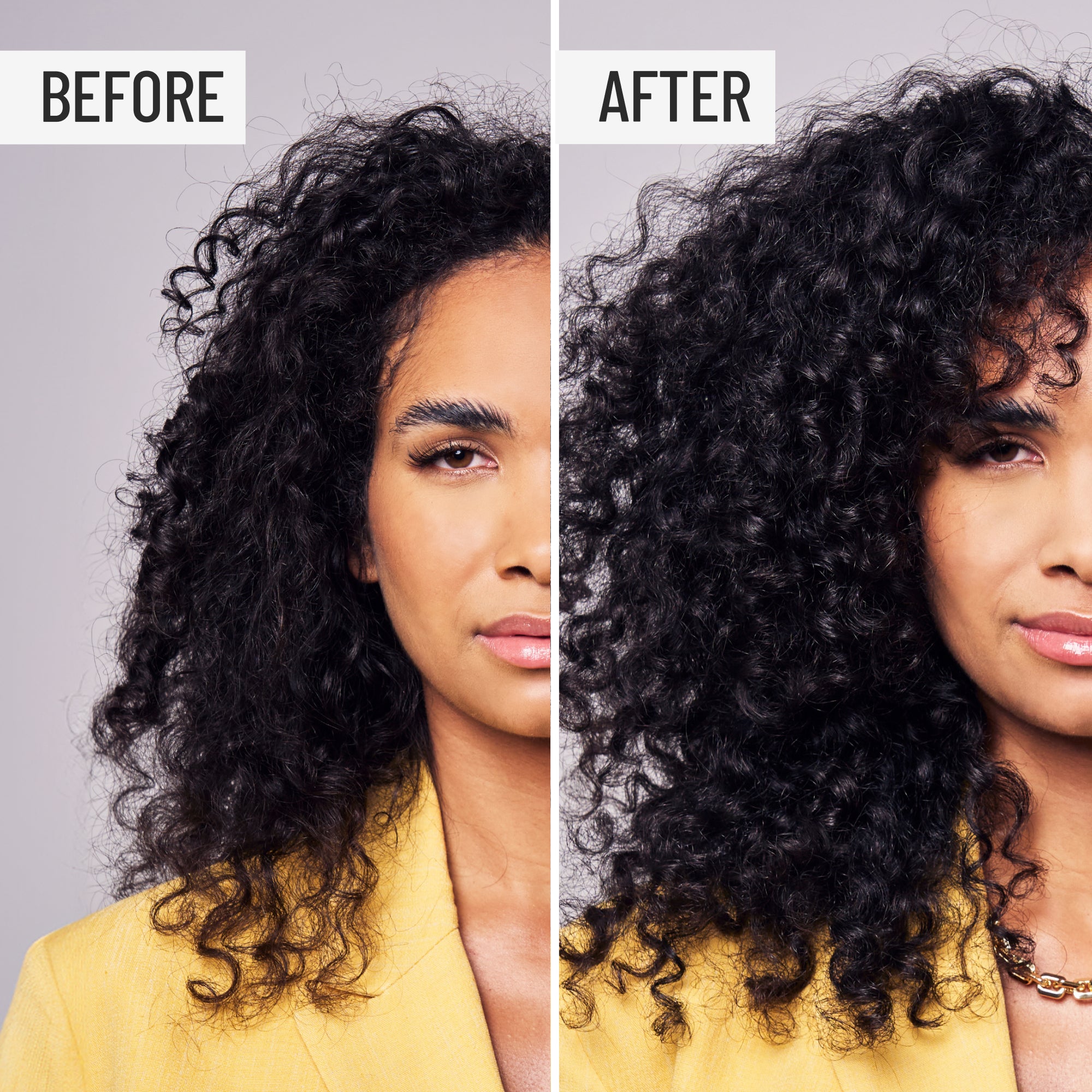
So the less time you spend forcing your hair to do what it won’t do naturally – making straight hair curl or curly hair straight with heated appliances – the better off it will be. Break out the blow dryer and heat styling tools once or twice a week at the most. And that conditioning cleanser will go a long way toward making those curls much more lively and much less frizzy. Conditioning products help to smooth frizz and soften damaged hair.
The best advice: Listen to your hair. You may be looking for an easy answer in the form of a habit that can be repeated daily, but the truth is that your hair may require different actions on different days under different conditions in different seasons. Assess your hair care regimen every season for the best results. Split ends should be given a deep conditioner while long hair that is exposed to heat styling should be given a moisturizing hair mask.
You may be looking for an easy answer in the form of a habit that can be repeated daily, but the truth is that your hair may require different actions on different days under different conditions in different seasons.
Hair may require some extra moisture immediately after washing, especially true for curls. But it may require little else the next day between washings. On day 3 it may be a little oily, and some dry shampoo might be in order. Day 4 could be surprisingly pretty, and you may be washing again on day 5.
Seasonally, many people find that their hair needs less washing in the winter than in the summer, or vice-versa depending on how your skin responds to heat and cold and depending on where you live and your lifestyle(s). Humid conditions evoke a different response then arid ones, and you may find that your routine isn’t so routine after all.
SHOULD YOU VARY YOUR HAIRSTYLING PRODUCTS?
Absolutely! But again, the choice is just that: a choice. You may want to wear your hair styled differently on different days and you should keep a variety of styling products on hand to help out. Casual days may need nothing more than a little leave-in conditioner to help better manage hair and define the texture, or some spritzes of a sea salt spray to amp up the volume and create some waves.
Other days may require extra grooming, and if you’re blow-drying your hair to achieve that, you should have a heat-protecting lotion handy to protect it. Evening wear or even beachwear may demand slicking back and sleeking up; a wax may be just the thing. We recommend switching up your hair care products and hair care regimen with different styling products to find out what works best for you.
So don’t box yourself in with strict regimens. Hair has a life of its own even though it isn’t technically alive, so let it live, but find the balance between what it needs to stay healthy and what you need to look beautiful.