In the constant quest for professional hair products that are good for us—or at least not bad for us—there’s a lot of chatter about dangers both real and imagined. Sulfates are one of those ingredients causing alarm, raising questions like what does sulfate-free mean and why it matters for your hair. Shampoo has gone from a bathroom staple to a chatroom drama. How complicated are the risks when we simply want clean hair?
What are Sulfates Anyway?
Put simply, sulfates are what make shampoo sudsy when you lather on a hair product. Technically, they are a type of surfactant (a term for various detergents, emulsifiers, and foaming agents that reduce the surface tension of water) that attracts both oil and water. SLS (sodium laureth sulfate) is a synthetic detergent that is both water-loving and water-hating – water-hating to attach to the oils and greases to be removed, and water-loving so it can be rinsed off easily. SLS is excellent at both, which makes it so popular with manufacturers.
The three sulfate compounds most commonly used by the beauty industry are sodium laureth sulfate, sodium lauryl sulfate, and ammonium laureth sulfate. Each type is different in intensity—the “-eth” versions are milder than the “-yl” version, and the ammonium version is milder than the sodium version—but all of them can be irritating to sensitive skin and hair.
Different Types of Sulfates in Hair Care Products
Sulfates commonly found in hair care products include:
- Sodium Laureth Sulfate (SLES): A milder option among sulfates, often used for its ability to produce rich lather.
- Sodium Lauryl Sulfate (SLS): A stronger surfactant that can be harsh on the hair and scalp.
- Ammonium Laureth Sulfate: Considered less irritating compared to its sodium-based counterparts.
Curious about the different types of sulfates in shampoo? Discover more here.
While effective at cleansing, these sulfates are often too harsh for individuals with dry, dyed, or fragile hair. For those with sensitive skin, sulfates can lead to redness, dryness, and itching.
Why Sulfates Might Not Be Ideal for Your Hair Type
The downside of sulfates is that they strip natural oils from the scalp and hair, removing natural moisture and making hair dry and brittle. People with dry, dyed, frizzy, kinky, or otherwise fragile hair should seriously consider ditching sulfates because they’re harsh cleansers.
Avoiding sulfates might also cut down on scalp irritation. If you use keratin treatments, even just three washes with a sulfate-based formula can undo the results.
The lather you get from a shampoo with sulfates is designed for convenience, but products without sulfates require a bit more effort—less sudsing, more scrubbing. This trade-off can ultimately be better for maintaining your hair’s health and moisture balance.
Does Sulfate Cause Hair Loss?
Hair loss is often a gradual process due to genetics, but when it occurs suddenly or progresses rapidly, external factors like shampoos containing SLS might play a role. Poor rinsing can deposit SLS in hair follicles, potentially penetrating the scalp and causing irritation that leads to hair thinning. It can also slow the rate of new hair growth significantly.
However, it’s important to note that while improper use of sulfates can exacerbate hair loss, genetic and medical conditions are more common culprits.
How Toxic Depends on How Much
The toxicity of a product is dictated by the formulation as a whole, not just individual ingredients. Raw SLS is indeed toxic, but diluted formulations used in consumer products are considered safe at low concentrations.
However, it’s worth noting that:
- Workers in manufacturing plants exposed to pure SLS are advised to wear protective gear due to its potential irritant effects.
- SLS is biodegradable under aerobic and anaerobic conditions, meaning it decomposes into benign by-products and does not persist in the environment.
Debunking Myths About Sulfates
Several misconceptions surround sulfates, including claims that they are carcinogenic. According to reliable sources like the National Center for Biotechnology Information (NCBI) and the International Agency for Research on Cancer (IARC), these claims are false. Sulfates are not listed as carcinogens by any major regulatory agency.
While sulfates can cause irritation in some individuals, particularly those with eczema or sensitive skin, there is no evidence to suggest they are inherently harmful at the concentrations used in most shampoos.
The Future of Hair Cleansing: Making the Switch
In time, traditional shampoos with sulfates may become less common as haircare companies adopt gentler formulations. However, not all sulfate-free shampoos are created equal. Many still contain harsh detergents disguised in mild language.
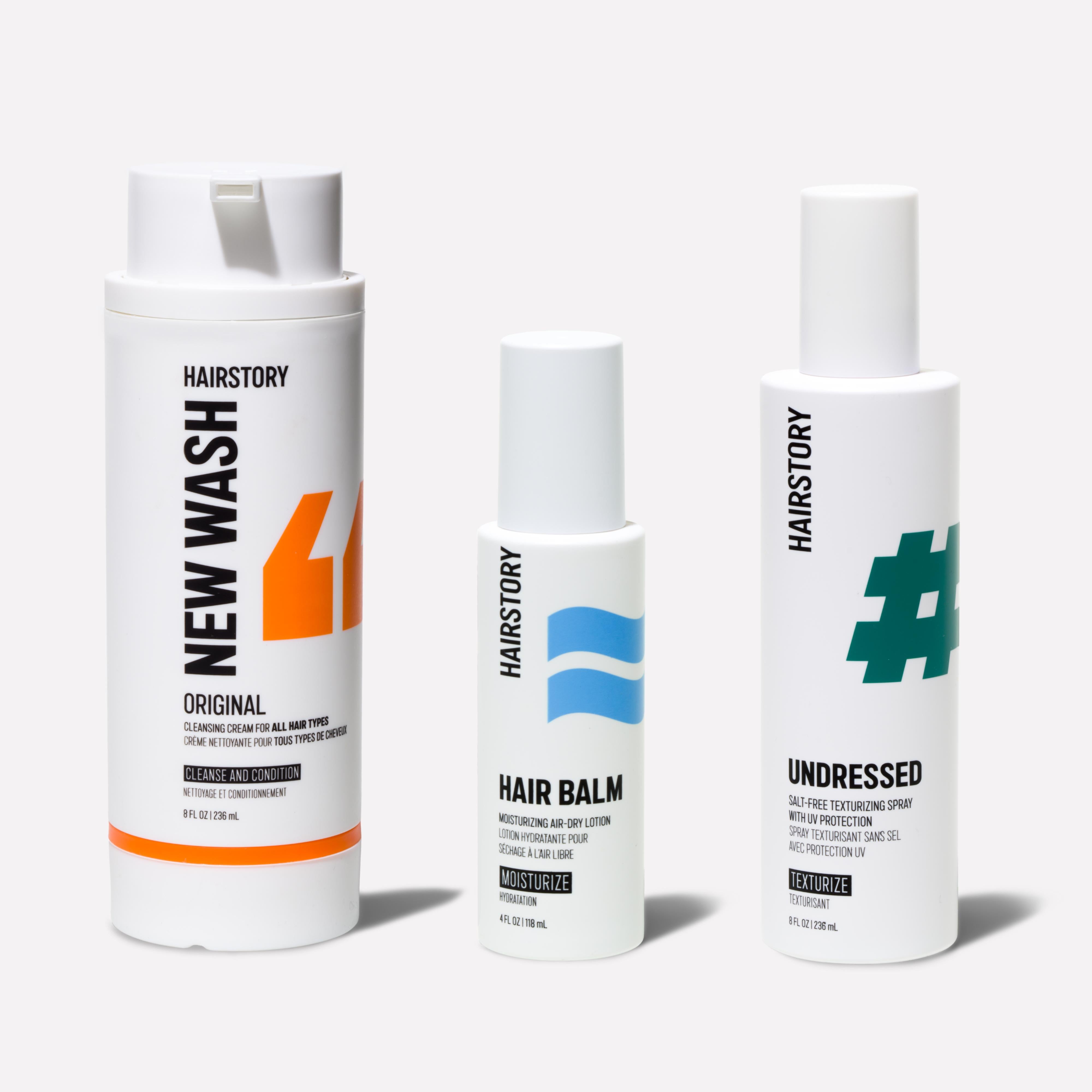
To truly care for your hair, consider ditching detergents entirely. Products like Hairstory New Wash replace harsh cleansers with essential oils and good fats, offering a revolutionary way to cleanse hair. With no need for conditioner, this oil-based approach leaves your hair moisturized and healthy while respecting its natural balance.
Sudsing cleansers have only been the norm for the last century. Before the industrial revolution, humans cleansed primarily with natural ingredients like water, oil, and clay. Perhaps it’s time for another revolution in hair care.