Color is fun, but it can also be a serious commitment. So before you take the plunge into a rainbow of possibilities, don’t look at it through rose-colored glasses. Be clear-eyed about what your responsibilities are and make the best of your colorist’s brilliance.
Prepare to Dye
The better the condition of your hair before you color it, the happier you’ll be with the results. Ensure that your hair is well-nourished and hydrated in the weeks leading up to your service. Some colorists recommend cold-pressed coconut oil the night before bleaching to minimize damage.
Hairstory colorist Julia Elena prefers that her clients don’t wash their hair before a service for as long as they can stand it. “Your natural oils do most of the work of protecting the scalp and cuticles from bleach.”
Keep in mind that as you plan your next color adventure, very porous hair does not retain color well – or even accept it evenly in the first place. That means being conservative with how often you lift (bleach), and reserving it for roots and regrowth.
Immediate After-care
• Right after processing is a good time to trim what might have been damaged, and to prevent the damage from spreading. But if you’re going for a significant cut, best to remove most of it pre-color .
• Following up with great hair care products is a must after color treating
• Wait 72 hours before you wash! Keep as much pigment as you can while it settles in. Julia asks her clients to wait as long as 4 days.
• Never use a clarifying shampoo for the first wash. In fact, save it for the last wash before your next color service.
• Seeing tinted rinse water is normal.
•After the first wash, let hair dry naturally, and let it rest for another 72 hours.
Wash & Wear
• Wash hair as little as once a week if you can. Frequent washing fades color faster and saps oils.
• Use cool water: Hot water swells the cuticles, allowing color to escape.
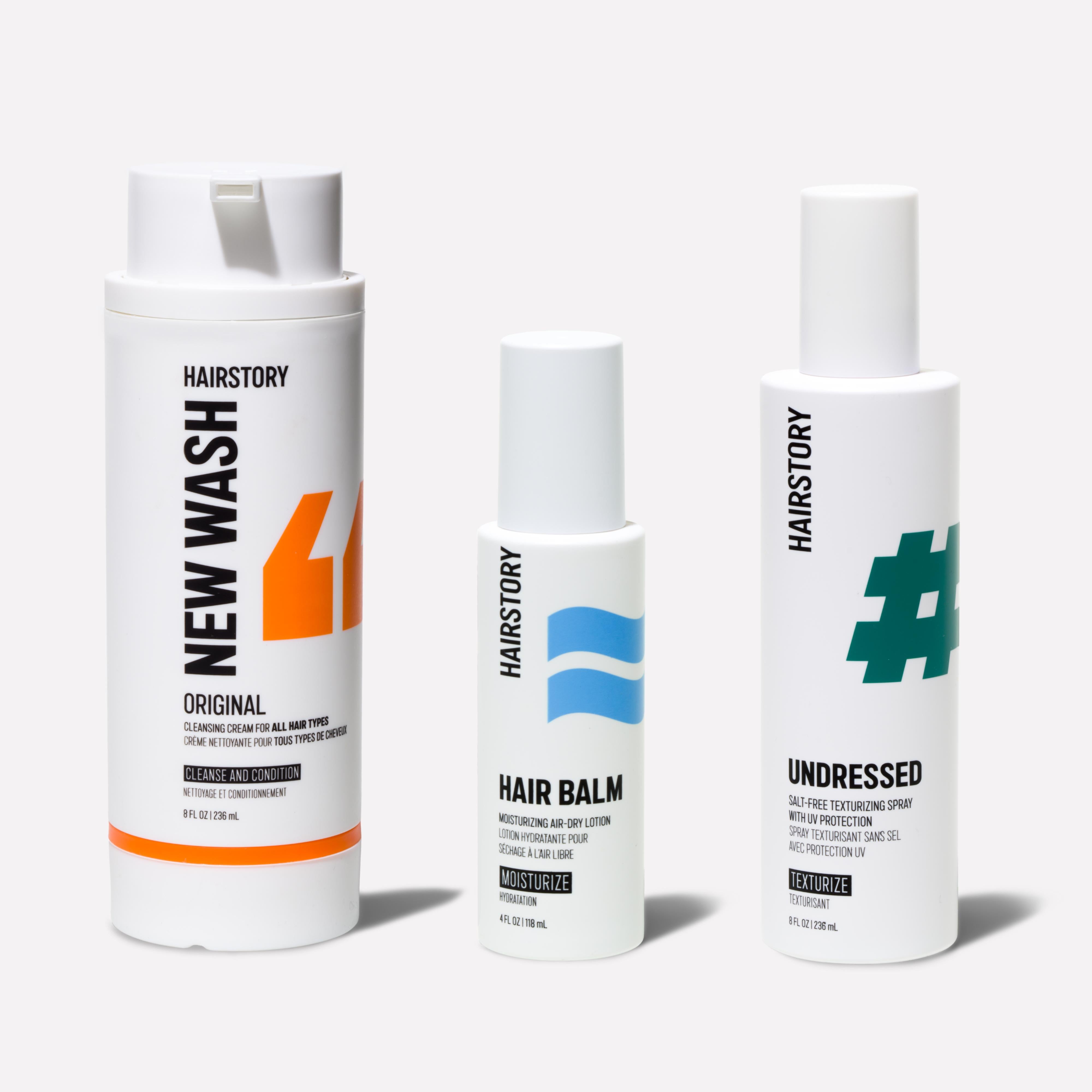
• Stay away from cleansers containing sulfates. In fact, stay away from anything that contains detergent, and look for an oil-based formula such as Hairstory New Wash.
• Wear a shower cap when you bathe without washing hair to keep it dry.
• If you have multicolored vivids, wash each section separately, if practical, to avoid color transfer.
Sleep Well
• Don’t sleep with your hair in a tight bun or ponytail – keep it from tangling while tossing and turning with a loose scrunchie or braid, or wrap it in a silk scarf.
• Let hair dry before hitting the pillow as hair is most elastic and fragile when wet.
Don’t Make Hay While the Sun Shines
Never venture out into the sun without protection – and by this, we mean a hat or a scarf – although there are UV protecting products available, but don’t look for SPF numbers as you would sunscreen for your skin.
Pool Rules
Never let chlorine touch your hair! This doesn’t mean using a sedate breaststroke with your head above water, it just means wearing a cap (so much sleeker and hydrodynamic). If you must go capless, wet hair before diving in so it won’t absorb as much chlorine – or tint the pool. And rinse hair while it’s still wet; dried chlorine is stubbornly difficult to remove.
Tinting Conditioner
Save extra color from your session for touch-ups!
• Keep vivids bright by adding a few drops to white (or colorless) conditioner.
• Violet keeps blondes from turning brassy and orange.
• Shake the bottle well to distribute, and use it occasionally.
• Rinse hair well so you don’t stain towels.
Julia creates custom blends of New Wash this way for her most fade-prone clients.
Unplug
Allow your hair to dry naturally whenever possible.
• If you must use a dryer, always apply a heat protectant like Hairstory Dressed Up.
• Focus the heat on the roots and keep the temperature setting moderate.
• If you are going to straighten or curl your hair, be sure to blow-dry it first.
Read more tips on handling heat tools here.
Go Natural
Now is the time to embrace your natural texture and let your color be the star of the show. Alternatively, there are many ways to add texture without heat: Hairstory Undressed enhances whatever natural wave you might have, and will add it to straight hair with some braiding or scrunching while air-drying.
Cover-Ups
When you’re at the end of the service cycle, camouflage regrowth with one of the root touch-up pens or wands available from many color and cosmetic companies.
Oil Can
Regular oiling is often an integral part of caring for vulnerable hair. Some people apply oil before bed and wash it out in the morning, some before shampooing as a measure of protection from detergents. But remember that there are no better oils than the ones your scalp produces.
Hot Treats
Make your hair masks and oil treatments more effective by heating them first.
• Place them in a small dish in the microwave for 5 to 10 seconds before applying.
• Alternatively, float the bottle in a large cup of hot water for a few minutes.
• Apply to hair, tuck it under a shower cap, then wrap it all with a warm towel for 15-20 minutes and rinse well.
Seeing Red
Reds tend to fade faster because the pigments have the largest molecules, which makes them more difficult to penetrate into the cortex – and easier to be washed away. So take care to minimize stress to the cuticle before, during and after color.
!Cautions!
Permanent hair color often contains ammonia (or chemicals similar to it) and peroxide to open the hair cuticles to reach the cortex and bleach out natural pigment. Hair that is over-treated with these chemicals loses its luster and breaks off alarmingly easily (a “chemical cut,” or a color apprentice’s worst nightmare) and while burned hair can be revived to a certain extent with treatments or moisturizing creams such as Hair Balm, scissors are often the only real option.
Hair dye may cause allergic reactions if it contains paraphenylenediamine, among other things. People who have contact dermatitis are particularly prone to reactions to color chemicals. If you have skin conditions such as eczema and psoriasis, color processing may not be for you.
Permanent dyes can cause itching, skin irritation, redness, or swelling on your scalp or other sensitive areas around the face and neck. Not having an allergic reaction in the past does not mean you won’t have one in the future. The more you color your hair, the more likely you will develop an adverse reaction.
Opt for semi and demi-permanent hair color when possible. While these are temporary, they do not contain as many harmful chemicals as permanent hair colors do.
Always conduct a patch test to help you avoid a possible allergic reaction, and a strand test to help determine whether your hair is healthy enough to be processed.
Get your hair done professionally. Coloring at home can be risky for so many reasons.
Always use color chemicals in a well-lit and well-ventilated area. Poor light can throw off your judgment, and poor ventilation can irritate your eyes and airways.
Avoid perming or relaxing color-treated hair. If you want to do both, stagger the treatments, and be sure to ask for low-ammonia, botanical formulas that condition while processing.
* * *
Make sure you take time with your colorist to discuss your options and your unique conditions thoroughly; you can’t ask too many questions, and by all means, come clean about your chemical history to ensure your brightest color future.