Scalp Health 101: How to Soothe, Strengthen and Support Hair Growth
Does your scalp feel itchy, sore or tender? You're not imagining it. Scalp health isn't just about comfort—your follicles literally rely on it for hair growth. Up to 50% of hair concerns, including thinning and breakage, are linked to scalp issues, according to the American Academy of Dermatology.
The good news: Most conditions are manageable with the right routine, products and lifestyle adjustments.
Let's break it down and give your scalp the care it deserves.
What Is a Healthy Scalp—and Why It Matters
Your scalp is skin, not just a foundation for hair. It has oil glands, blood vessels and microbiomes that directly influence follicle health. When your scalp barrier is compromised, inflammation, itchiness and irritation can follow—and hair growth can slow.
Indicators of a healthy scalp:
- No persistent itchiness or flaking
- An even oil balance—neither greasy nor dry
- It's comfortable to touch
- Hair that feels strong at the roots
By contrast, chronic issues like dandruff, seborrheic dermatitis or psoriasis can stress follicles and trigger telogen effluvium, the same type of stress-related shedding discussed in our hair loss and thinning guide. Research in Experimental Dermatology confirms inflammatory scalp conditions can reduce hair follicle density over time.
Common Scalp Concerns—and What They Signal
1. Itchy or Tender Scalp
Persistent itchiness or tenderness can be caused by irritation, sensitivity or underlying skin conditions. Studies show up to 25% of adults experience mild to moderate scalp sensitivity, often linked to overuse of harsh surfactants (like those in traditional shampoo), fragrance or alcohol-heavy styling products.
Signs it's more than temporary irritation:
- Constant soreness or burning sensation
- Redness or rash
- Flaking that doesn't improve with regular washing
These symptoms suggest your scalp barrier may be compromised. Restoring barrier function with gentle cleansing and hydration is key.
2. Dandruff and Flaking
Dandruff affects roughly 50% of adults at some point in their life, according to the National Institutes of Health. It's typically caused by Malassezia yeast overgrowth, an oil imbalance or inflammation.
Watch out for these red flags:
- Large dandruff flakes that are visible on your clothing or in your hair
- Persistent itchiness
- Scaling that worsens when you feel stressed
Treatment depends on the cause: medicated shampoos for yeast overgrowth, soothing cleansers for dry skin or addressing underlying inflammation. We also tackled some common tactics in this guide to getting rid of dandruff.
3. Scalp Sensitivity From Products or Styling
Overuse of harsh detergents, heat styling, chemical treatments and tight hairstyles can increase scalp inflammation and tenderness. Research in Skin Appendage Disorders shows that oxidative stress from these factors may disrupt follicle health and impede hair growth.
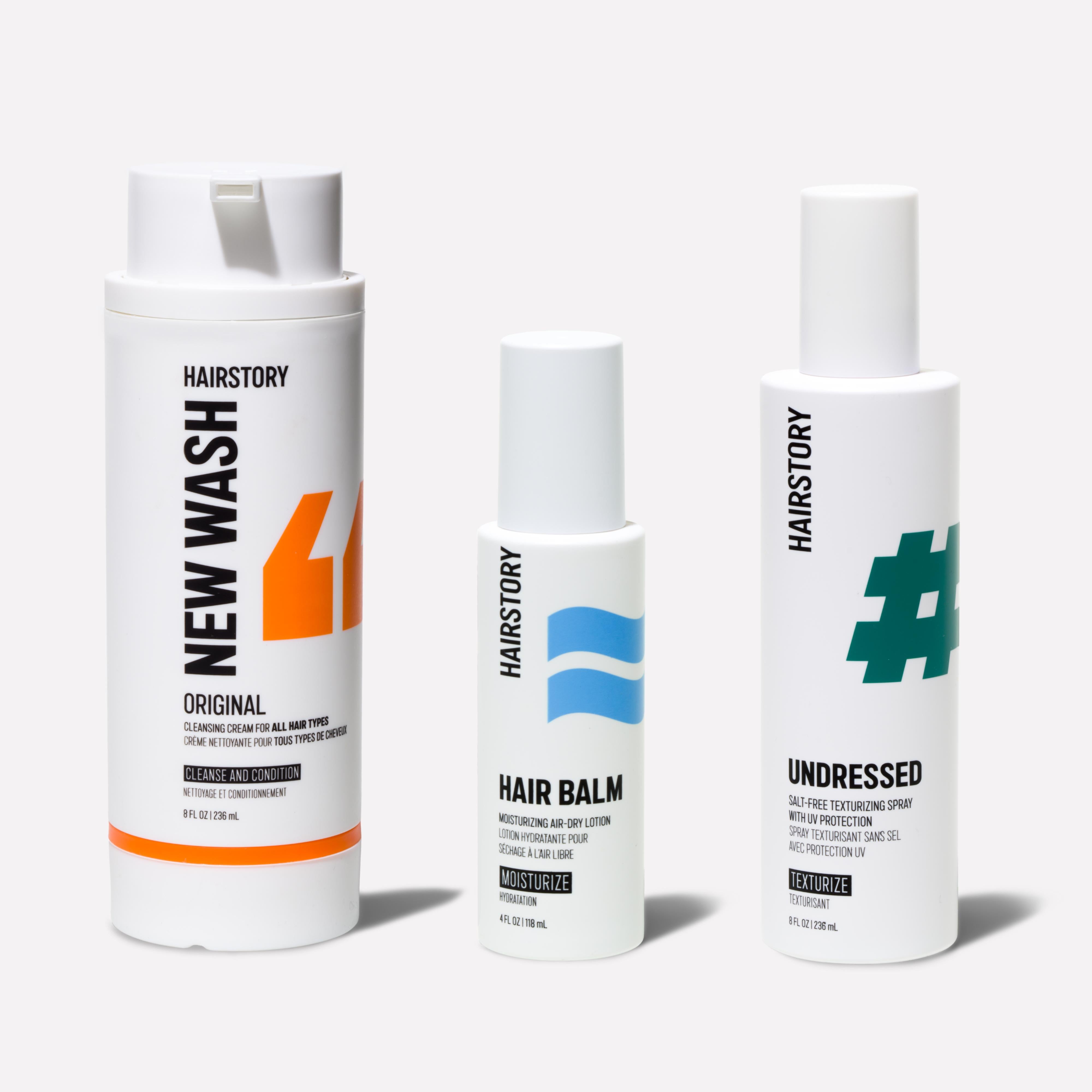
Gentle, non-stripping cleansing and conditioning—which detergent-free New Wash does in one simple step—is essential to maintain a healthy scalp environment.
How to Support Scalp Health
1. Cleanse Without Stripping
Traditional shampoos often contain anionic surfactants like SLS or SLES, which remove oil aggressively. When your scalp feels squeaky clean, it's a signal that the barrier is compromised—and that can lead to inflammation and itch.
Hairstory New Wash cleanses without those harsh detergents and helps to maintain your natural oil balance. This type of gentle cleansing preserves your scalp microbiome, reduces irritation and supports longer intervals between washes. Read more about the negative effects of shampoo here: Why Traditional Shampoo Can Disrupt Scalp Balance.
2. Moisturize and Nourish
A healthy scalp barrier requires moisture and nutrients. Lightweight balms, serums and oils with ingredients like evening primrose oil or glycerin can reduce redness and support barrier repair.
Daily hydration can:
- Reduce itchiness and flaking
- Strengthen hair at the follicle
- Improve overall scalp comfort
Our favorite hydrating picks: New Wash Original or New Wash Rich for one-step cleansing and conditioning, Hair Balm for leave-in moisture and Hairstory Oil for nourishment and high shine.
3. Target Persistent Issues With a Specialist
If your scalp issues persist despite routine changes, consult a dermatologist or trichologist. Conditions like seborrheic dermatitis, psoriasis or fungal infections need professional evaluation and treatment.
Lab checks may include:
- Skin swabs for yeast or bacterial overgrowth
- Allergy or sensitivity testing
- Hormonal panels if linked to hair shedding
Early intervention can help prevent inflammation from impacting hair growth.
4. Protect and Maintain
Simple daily habits can go a long way:
- Limit high heat styling to 300°F—and always use a heat protectant like Primer or Styling Gel
- Avoid tight hairstyles that cause traction
- Minimize harsh chemical treatments
- Use gentle, sulfate-free products
Supporting scalp health is not just about eliminating problems—it's about creating conditions where follicles can thrive.
Scalp Serums: Do They Work?
Scalp serums can be effective when used consistently and paired with a healthy routine. Look for formulas that:
- Reduce inflammation
- Support barrier function
- Contain antioxidants or peptides
Clinical studies suggest that serums with niacinamide, caffeine or botanical extracts can improve hair density and follicle health over 3–6 months of use. Remember, serums are not a replacement for addressing underlying scalp or systemic issues—they're a complement.
When to Seek Professional Help
See a board-certified dermatologist if you notice:
- Severe itchiness or pain
- Persistent flaking despite proper cleansing
- Tender scalp that worsens over time
- Hair shedding that accompanies scalp irritation
Conditions like psoriasis, fungal infections or autoimmune scalp disorders require medical treatment. Hair loss linked to scalp inflammation can improve once the underlying cause is addressed.
The Bottom Line
Scalp health is hair health. Up to 50% of hair concerns stem from irritation, inflammation or barrier disruption. Gentle cleansing, proper hydration and targeted products like Hairstory New Wash Original create the ideal environment for follicles to thrive.
Support your scalp first—treat it with care, listen to what it signals and consult professionals when needed. Hair responds to how you treat your scalp—and how you treat your body.
Read More
- Tips on Regrowth After Postpartum Hair Loss
- Hair Detox: Cleansing the Scalp
- How to Have Healthy Hair
- How Often Should You Wash Your Hair?
The information in this article is for educational purposes only and is not intended as medical advice. Always consult a board-certified dermatologist or qualified healthcare provider if you have concerns about your scalp or hair health.