LOC Method: What is It & Does It Work?
The LOC method is a moisturization layering technique that consists of applying liquid to hydrate the hair, oil to lock in moisture and cream to prevent moisture loss; the exact protocol you use depends on how thirsty your hair is, often determined by your natural hair’s porosity. Women with curly hair have taken the lead in the quest for clean hair care, using shampoos with ever-milder detergents and introducing co-washing to the rest of the world, a gentle form of hair cleansing.
Curly hair of all types has unique challenges-- maintaining moisture being chief among them--and some co-washers have taken to crafting their own unique and natural hair care regimens and styling products. When it comes down to understanding how to moisturize natural hair, the process takes trial and error before locking in a process that works for your hair type.
This may spark another question when formulating the most ideal hair care regimen - “what type of hair do I have?” Consider this complex operation reported by a woman with Type 4C curls, among the thickest and tightest strands:
- Condition/Co-wash your hair
- Condition/Co-wash again; comb through hair with fingers and leave-in conditioner before rinsing.
- Separate hair into sections and apply leave-in conditioner for hydrated hair.
- Re-apply leave-in conditioner and detangle hair with a wide-tooth comb.
- Apply a heavy moisturizing cream with a wide-tooth comb.
- Apply grape seed oil to each section.
- When blow-drying curly hair, apply a heat-protectant spray and blow-dry by sections.
- Apply styling cream or gel and twist the strands into place.
This is an extreme example of curl hair care using the LCO – liquid/cream/oil – method.
The ABCS of L, C and O
The LCO method is a layering technique of applying liquid, cream and oil hair products to lock in moisture; the exact protocol you use depends on how thirsty your hair is, often determined by your natural hair’s porosity. Variations on LOC are the CLO (cream/liquid/oil), or LO (liquid/oil) methods.
The general idea of the LCO--liquid/creme/oil--method is to balance cleansing and moisturizing with water or liquid conditioners, followed by thicker creams and finally, oils or butters to seal it all in and defend from the humidity outside. Balancing the moisture inside your hair strands with conditions outside is the key to living frizz-free.
So, before you select a method for conditioning your occasional frizzy curly hair, answer this question:
How Porous Are You?
Hair porosity is the degree to which hair is able to absorb and retain water molecules. It is determined based on how the cuticle lays: If your hair is curly, damaged, or color-treated, the more open and therefore porous your hair is. The smoother, straighter, and undamaged (e.g., natural color), the more closed and less porous your hair is. These are the most common low porosity hair characteristics.
Highly porous hair strands both absorb and lose moisture easily. The cuticle needs little help to lock in moisture – but a lot to hold it in. To care for highly porous hair, the LOC method – a layering technique – is preferred, and in this case, the L needn’t be anything more than water to help fight dryness.
Hair with medium porosity both absorbs and retains moisture easily, and the hair shaft may do well with the LO method, a variant of the LOC method. In dry months, the L here is solely water for more hydration, or during humid weather, a leave-in conditioner.
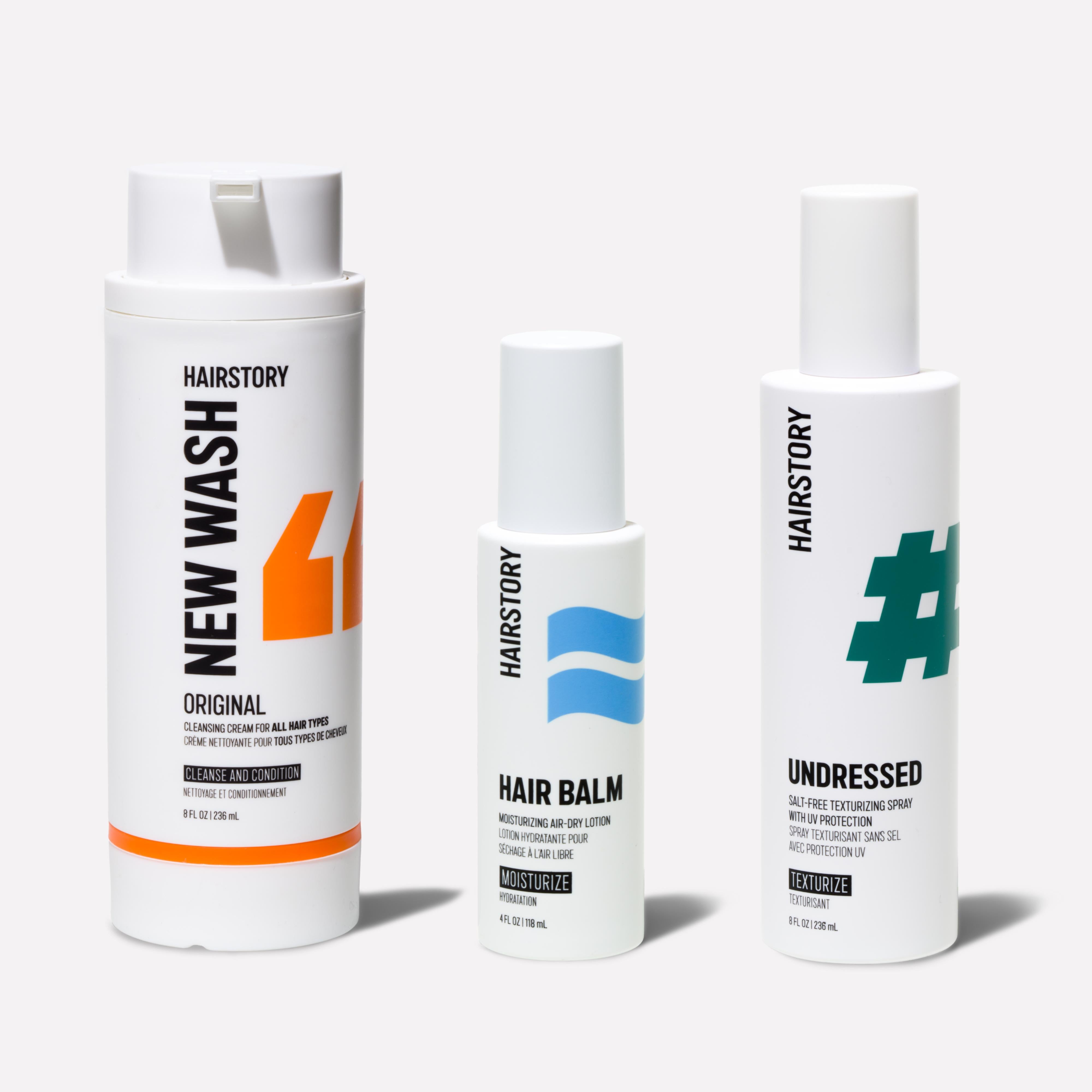
Hair with low porosity is less absorbent, though generally requires less moisturizing as it holds onto moisture well. For this natural hair type, the LCO method is recommended and starts with a diluted conditioner followed by a cream such as Hair Balm or a leave-in conditioner to stay hydrated. If necessary, finish with oil; coconut oil, argan oil, or jojoba oil will do, if only at the ends.
There are a few ways to determine your porosity. One is to fill a bowl with room-temperature water. Take a few hairs that you’ve shed and set them on the water’s surface. If it’s very porous, it should take on water and submerge. If not, it’ll float.
The Pros & Cons of the LCO Approach to Curl Care
Despite the different approaches to managing moisture, shampoo-free curls are those that have the best chance of looking hydrated and healthy. That said, No L, C, or O is going to cleanse your scalp of built-up oils, dead skin, styling products, and particulates that you pick up every day. Pay special attention to the condition of your scalp and keep it properly cleansed. Healthy hair depends on a healthy scalp so make sure your hair care regimen is up to par.
No L, C, or O is going to cleanse your scalp of built-up oils, dead skin, styling products, and particulates that you pick up every day.
But wait, how do you get hair and scalp clean without suds? Chances are you’re already using an oil-based cleansing product for your face, right? Well, you can apply this same principle to your hair – because after all, your face doesn’t stop above the hairline – and use detergent-free shampoo.
Hairstory New Wash is a great option with three formulas to choose from, making it a great fit for anyone, especially if you’ve been blessed with curly hair. So go ahead, it's time to test out this method and wash your hair!