You've been sitting in this chair for close to four and a half hours at this point. You're starting to see length emerge, what an odd experience. Most of the time when we sit in the chair, we find ourselves watching length being removed. But you're in the reverse situation.
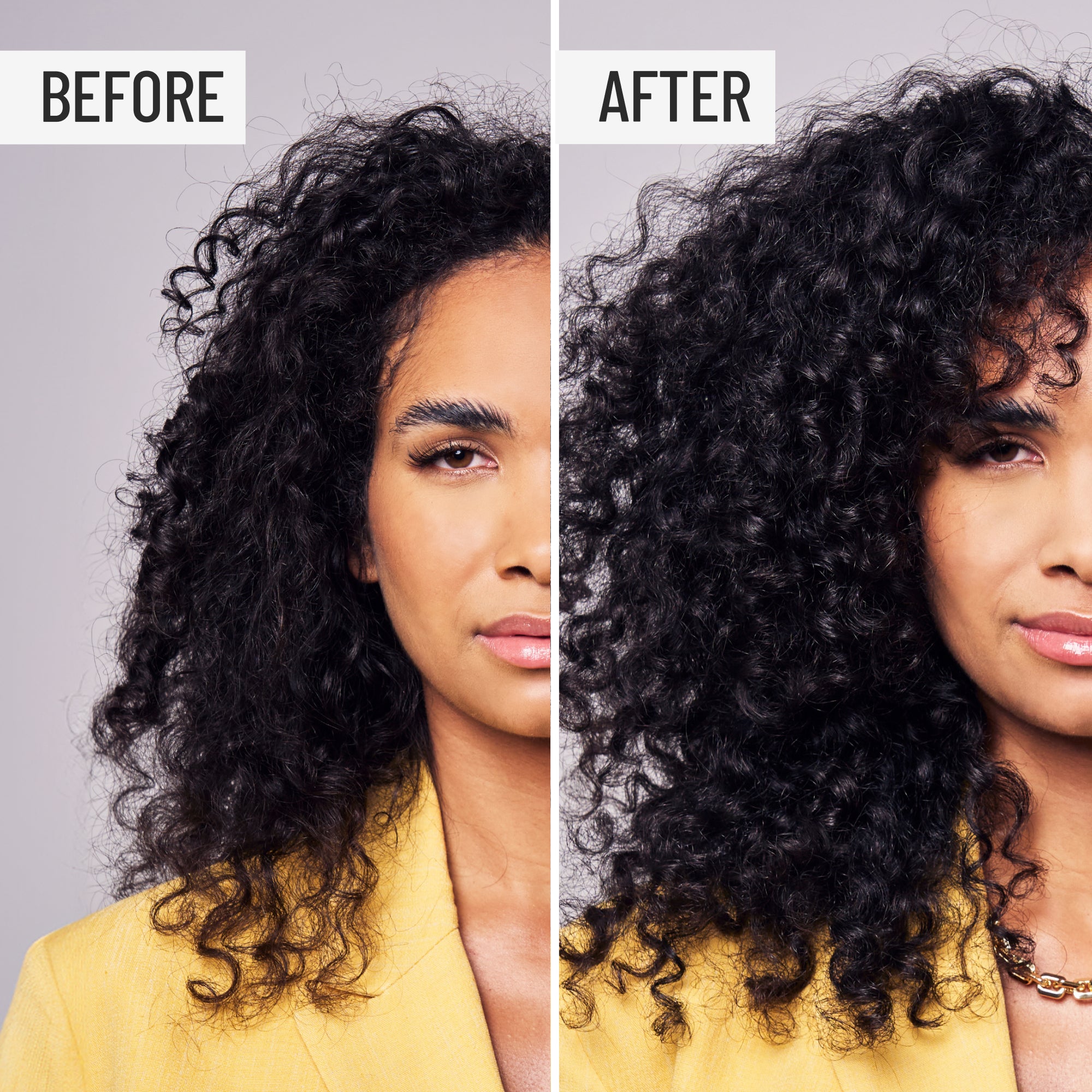
Many people have been here for whatever reason. It grew to a certain point, or they got a haircut that they really regretted and they wanted to add that length back. They never felt like it was this full or even sometimes it just grew to a certain point and then just suddenly stopped. There are many reasons why people opt for adding hair extensions into their lives.
The dread hits you.
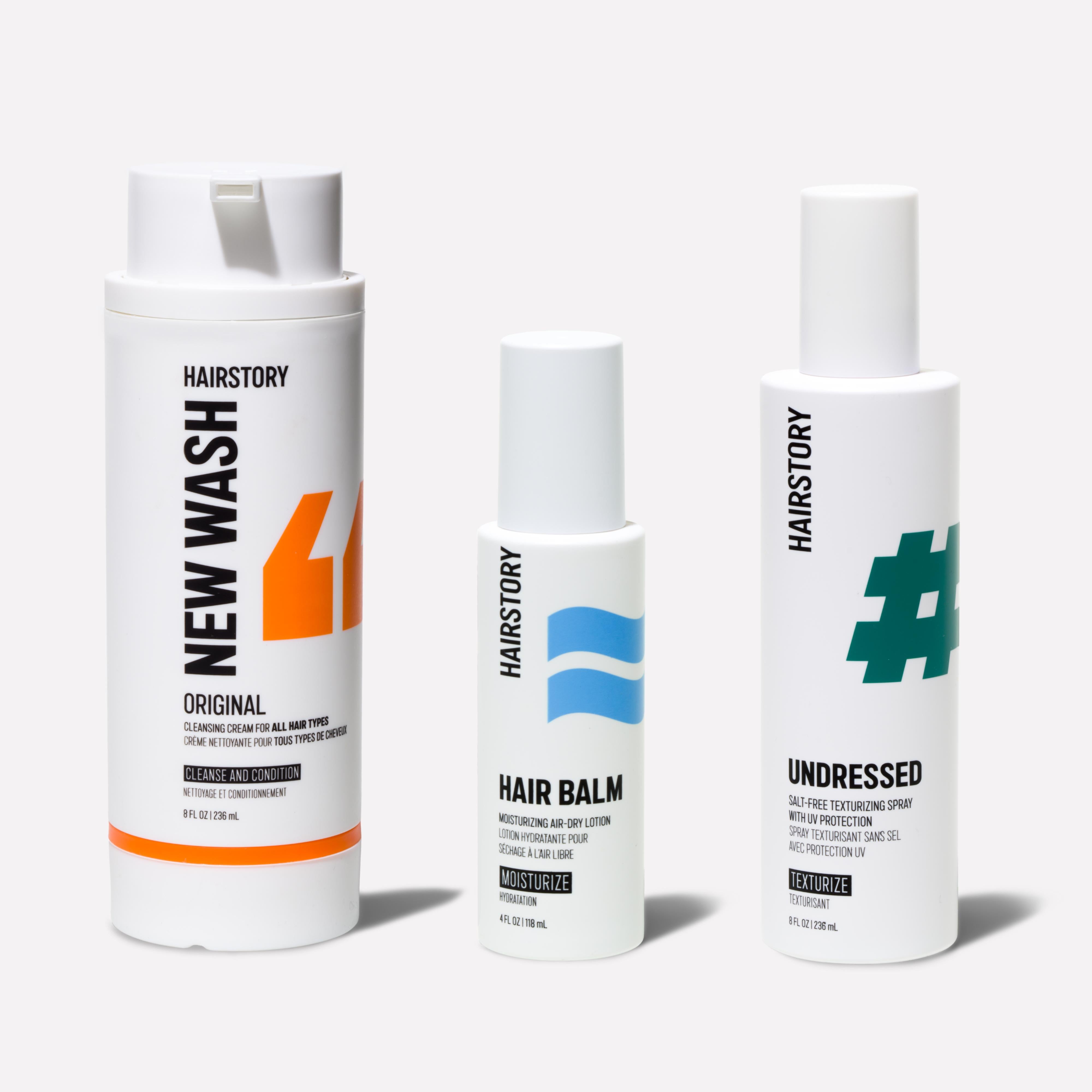
Can I use New Wash? Is that right for this type of extension? Oh shit, how do I take care of this? Can I still use New Wash or I was thinking about New Wash, but is that going to be right for this?
There's so many instructions. There's so many things I have to do to take care of these in the right way.
I've been asked these questions for what feels like a million times, talking to hairstylists and clients so when I was booking clients with all that mane, I had to call in my expert friend with a specialty of doing hair extensions, Victoria Schrager. She knows the lowdown on washing extensions with New Wash. Here's the advice she's given me along the way, and here's what she had to say.
I've got some good and bad news for you. You can wash them with New Wash just like you wash your own hair. Sew-ins, we've got you. Bonded ones, we've also got you. Wefts we got you because New Wash doubles the length of wear from 6 months to a year. The biggest culprit for removing bonds is silicone, and New Wash is silicone-free, so don't worry.
Where things get a little interesting, and my honest opinion here is when we're dealing with adhesives. We're talking tape-ins or glue extensions. You must do a test strand. Not all adhesives are made the same, and the oils in New Wash can sometimes break that down. Those tape-ins and k-tips are much more prone to being slippery at the root, so don't use New Wash.
So a simple test will save you a world of hurt and pain. And money.
Before You Get In the Shower
Get a microfiber towel and line your attachment points with Pre-Wash. Detangling is key, so grab a wide-tooth comb, hair ties or clips, and of course, New Wash.
In the Shower
The method is the same as washing your own hair, but direction matters more here. Think of it less like washing and more like petting. Wet your hair thoroughly, apply New Wash from mid-length to ends first, then work toward the roots with long, gentle strokes from root to tip. Near the attachment points, press and squeeze rather than scrub. Be cautious with a scalp brush because sometimes you go a little too crazy. I'd avoid it and go in on both sides of your scalp with peace sign fingers and gently massage the attachment points.
Rinsing is where a lot of people get sloppy, and with extensions, that's where things go wrong. Tilt your hair back, let the water fall from root to end, and use your fingers to guide it out, especially on glue-ins. Residue near a bond is how you start losing that bond.
After the Shower
Out of the shower, the instinct is to rub. Resist it. Rubbing creates frizz and tangles at the bond points. Pat and squeeze downward with your microfiber towel. Then detangle from the ends up with a wide-tooth comb, working toward the roots. Hair ties and clips can work pretty well here for sectioning. They help your hair dry faster and get airflow around the attachment points, which matters more than people think.
A few things worth knowing before you get too comfortable. Brush from the bottom up, always. Never go to bed with wet extensions. Plus, you should never go to bed with wet hair anyway.
In general, it's good to know you should replace extensions every six to eight weeks, no longer than three months, except clip-ins, which can last just over a year. Also, brush at least twice a day, holding your attachment points while you work from ends to roots.
How often should you wash your hair?
That's a trick question. You can typically wash with New Wash as often as you'd like because it cleans without stripping, but your extensions can't receive your scalp's natural oils, so you should wash your hair 1-2 times a week. And when it comes to clip-in and halo extensions, they come out every night and can be washed once or twice a month. Too many clients have learned this the hard way: those extensions don't sleep in, unlike you.
So that's a routine, not a checklist. The small changes, like the direction you rinse and the way you dry, are just protecting your investment long term. The only thing that's really changing here is how you maintain your extensions. New Wash doesn't know the difference. It's still a one-step routine in the shower.
Keep Reading
- How Often Should You Wash Your Hair?
- Why Does My Hair Tangle So Badly?
- How to Stop Frizzy Hair: Why It Happens and What Actually Works
- What Eight Hair Types Think of New Wash
The information in this article is for educational purposes only and is not intended as medical advice. Always consult a board-certified dermatologist or qualified healthcare provider if you have concerns about your hair or scalp health.