How Often Can You Dye Your Hair Safely?

How Often Can You Dye Your Hair Safely?

By Hairstory

Published on September 27, 2024 — 9 min read

Share this article

Home / The Archive / How Often Can You Dye Your Hair Safely?

How Often Can Hair be Dyed Without Damage?

As the season changes and fall approaches, we’ve received many questions about changing hair color. How often can you dye your hair color – or maintain one – is a great question to ask when concerned with your color-treated hair health 


Today’s innovations in hair dye technology mean that altering or enhancing your natural hair hues needn’t be inherently damaging. How often can you color your hair without causing harm? It largely depends on the methods used and how well you care for your hair between salon appointments with the right hair wash and maintenance. The good news is that there’s no reason why dyed hair can’t stay in brilliant shape.

how often can you dye your hair


1. The Hair Color Methods


How often can you dye your hair safely?

It depends primarily on which method of hair color you and your colorist choose: permanent hair color, semi-permanent hair color, or demi-permanent hair color.


Comparing Permanent, Semi-Permanent, and Demi-Permanent Hair Dyes

Permanent hair color has the greatest potential for hair damage due to the chemistry involved and should be done most cautiously. Ammonia and hydrogen peroxide combine to open up the hair’s cuticle to reach the internal structure and make a color change.


Permanent hair color can either lighten or darken and can last up to 8 weeks, although it may require touching up at the roots as your natural color grows in.


Permanent color is the best way to achieve full coverage of gray hair, and it’s more a matter of growing it out rather than washing it out. It may be used in any coloring process or technique, including single process (bleach-only), double process, highlights, lowlights, and balayage.
If a lot of bleach is involved to considerably lighten your hair, referred to as “lifting,” your hair may be very porous, which means it is prone to moisture loss, fragile, and susceptible to environmental discolorants such as smoke or the cosmetic colorants other hair products may contain.


So how do you take care of bleached hair? In this case, count on waiting at least 4 weeks before you repeat the coloring process to spare your hair from potential damage. The less frequent, the better. Of course, if your hair is very short and you cut it frequently, hair damage is less of a concern.


There are still options for how to get rid of brassy hair if your blonde is turning orangey between hair appointments.

The frequency of root touch-ups depends on how long you can tolerate seeing your re-growth, and since they are performed on “virgin” hair, frequency is at your discretion. Keep in mind that the average growth rate is a half an inch every month.

Re-dying the entire length of your hair can be done safely about every 8 weeks, but if you simply want to make a tonal change – warm it up or cool it down – there are less permanent – and non-damaging – options such as glazes or toners in the semi-permanent color category (more below).


Demi-permanent hair color is ammonia-free but requires a small amount of peroxide to slightly lift the outer hair cuticle so that the pigment can take hold without lightening your natural color. As long as the hair cuticle is properly restored to its naturally flat and closed position – and you’ve followed the care protocol (more on that below) – you should be able to safely re-color your hair as often every few weeks.

For colorist Julia Elena, how often you can safely use demi-permanent color depends on your hue, even if color is not applied overall:

It is only potentially damaging to blondes achieved with constant bleaching. I recommend waiting up to 3 weeks if necessary for touch-ups, but otherwise, I recommend they let their hair ‘breathe’ until the next full service. Otherwise, demi-permanent color isn’t harsh on brunettes and reds, and since bleach is rarely involved, they can come in often without concern – though it’s not usually necessary.


Stylist and colorist Jennifer Covington-Bowers adds that it depends on what demi-permanent color is used for.

If it’s simply used to blend grays, I say 4 weeks is a good interval. I also use it to give shine and dimension by using it every 6 to 7 weeks, or just about the average time between haircut appointments when I will do both. If I’m using it to correct color, it can be done sooner than 4 weeks after the initial service, but I pay extra attention to keeping the hair healthy throughout the process.

Semi-permanent color can be safely used as often as your wants and whims change – perfect for a weekend fashion fling. This low-maintenance and short-term option is simply a stain or toner that is deposited on the surface and can be removed in as little as one washing if you use an aggressive cleanser, such as a clarifying shampoo, which by itself can be more damaging than the hair dye will ever be.

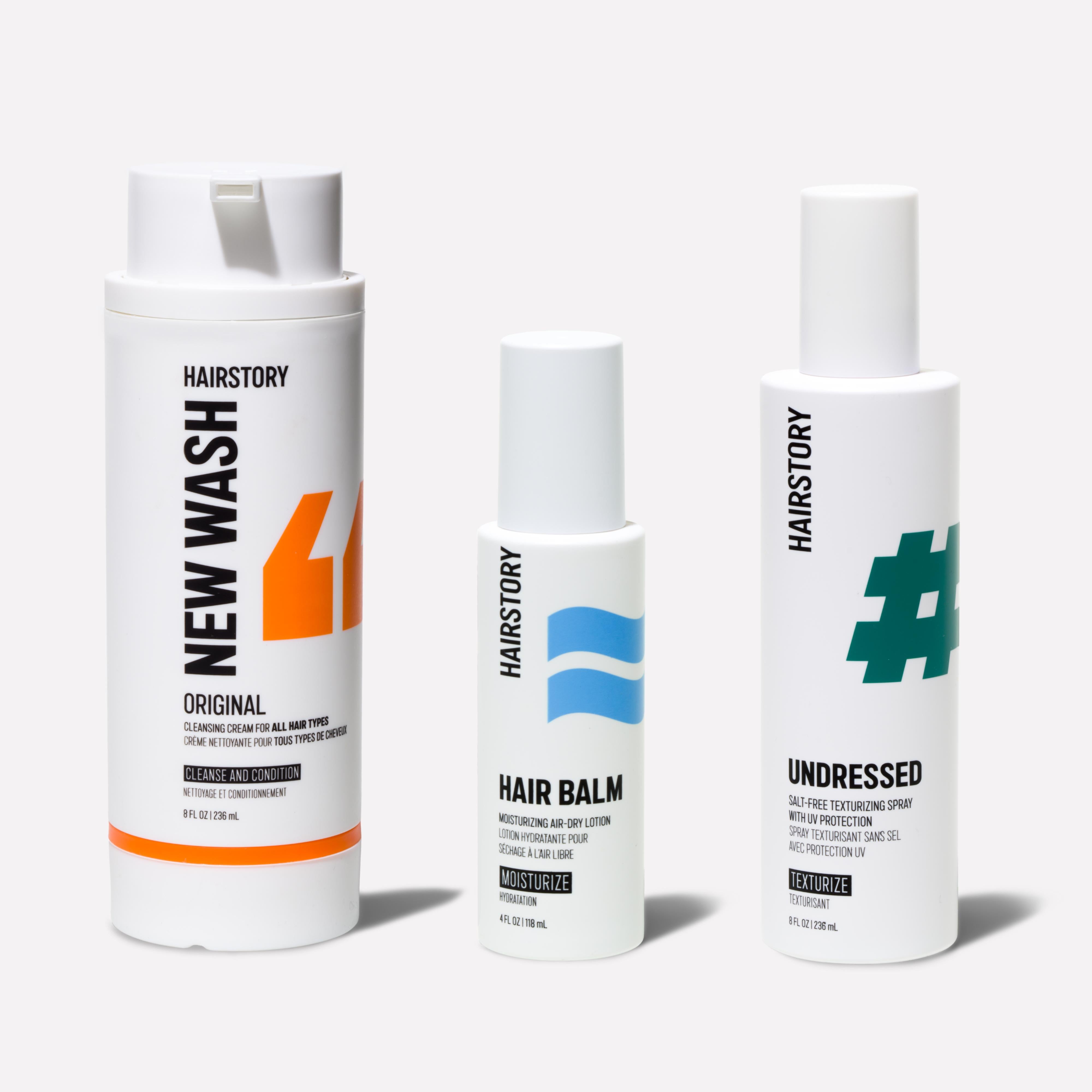
how long does semi-permanent hair color last? Typically, it lasts around 4-6 washes, depending on the type of shampoo you use and your hair's porosity. To make your color last longer and maintain vibrancy, consider using New Wash, our gentle hair cleansing cream. Free of parabens, sulfates, and detergents, it helps preserve semi-permanent color by cleansing without stripping, keeping your hair healthy and your color intact.


2. Color Maintenance and Hair Health

Since permanent color is a chemical process that occurs inside the hair fiber, it can break a number of the structural bonds (disulfides) that hold the protein strands together and can leave your color treated hair brittle, porous, and more damage-prone. The more often you color your hair, the more protein you lose, and it can become challenging to comb, style, maintain, and the likelihood of split ends increases.

how to maintain colored hair


A couple of tips for dyed hair to stay healthy:

Tip #1: Pick a color-safe washing and conditioning option.

Wash and condition with products designed to do the job safely and gently. New Wash is color-treated hair’s BFF because it contains no damaging detergents that strip your hair of its color. It also conditions while it cleanses, and helps you preserve your natural oils that hair struggles to be healthy without.

Tip #2: Always use a heat protectant.

Adding thermal insult to chemical injury is a recipe for hair disaster. If you’re in the habit of blow-drying or using a curling or straightening iron, please, pretty please, use a product that insulates your strands from the heat and keeps it from drying out or worse, getting scorched. Dressed Up applied to damp hair before the thought of a blow-dryer enters your head is the way to go, as it also adds a soft hold and supplements some of the moisture you’re sure to lose. For those looking to avoid heat altogether, check out our guide on how to straighten hair without heat or damage.

Dressed Up applied to damp hair before the thought of a blow-dryer enters your head is the way to go, as it also adds a soft hold, and supplements some of the moisture you’re sure to lose.

Tip #3: Try moisturizing oils.

Pure oils can be effective frizz-fighting salves for dry hair. Covington-Bowers recommends olive oil alone or as a base for almond, amla, black castor, or coconut oil. All have natural properties that penetrate strands to help repair and prevent additional damage.

Just make sure you aren’t allergic first by dabbing a tiny amount on your skin and be watchful for a reaction like redness or itching,” she cautions. “In fact, before trying any new product, test it on a small section of hair first and watch how it responds.

So go forth and color, but keep in mind that all that fun that blondes are purported to have can be spoiled with too much bleach. So stay safe and listen to your colorist: your hair health – and their hard work are always their first concerns.

* * *

Sources:
1. The Science of Hair Coloring. Thought Co. URL.
Accessed October 7, 2020.

2. What is permanent haircolor & is it right for you? 4 popular myths debunked. Redken. URL. Accessed October 7, 2020.


Frequently Asked Questions

  • How often can you dye your hair without causing damage?
    The safe frequency depends on the type of color used. Permanent color involving significant bleaching should be repeated no sooner than every 4 weeks, while re-dyeing the full length of hair is generally safe about every 8 weeks. Demi-permanent color can be used as often as every few weeks, and semi-permanent color can be applied as frequently as desired since it doesn't penetrate the hair shaft.
  • What is the difference between permanent, semi-permanent, and demi-permanent hair dye?
    Permanent hair color uses ammonia and hydrogen peroxide to open the hair cuticle and alter color from within, lasting up to 8 weeks. Demi-permanent is ammonia-free but uses a small amount of peroxide to deposit pigment without significantly lightening natural color. Semi-permanent is the gentlest option — it sits on the hair's surface as a toner or stain, lasts around 4-6 washes, and washes out without lifting.
  • How often can you safely bleach your hair?
    When significant bleaching or "lifting" is involved, you should wait at least 4 weeks before repeating the process — and the less frequently, the better. Heavy bleaching leaves hair very porous, fragile, and susceptible to moisture loss and environmental discoloration. Always consult your colorist to assess your hair's condition before scheduling another bleaching session.
  • How long does semi-permanent hair color last?
    Semi-permanent color typically lasts around 4-6 washes, depending on your shampoo type and your hair's porosity. An aggressive clarifying shampoo can strip the color in as little as one wash. To preserve vibrancy, use a gentle, detergent-free cleanser like New Wash, which cleans without stripping and helps keep color intact longer.
  • How often can demi-permanent hair color be applied safely?
    Demi-permanent color can generally be applied safely every few weeks for most hair types. For blondes who require bleaching, colorists recommend waiting up to 3 weeks between touch-ups and letting hair 'breathe' between full services. For brunettes and reds, demi-permanent is much less harsh and can be used more frequently, though it's rarely necessary.
  • Why is color-treated hair more prone to breakage and damage?
    Permanent hair color breaks structural bonds (disulfides) inside the hair fiber that hold protein strands together, leaving hair brittle, porous, and more damage-prone over time. The more frequently hair is colored, the more protein is lost, making hair harder to comb, style, and maintain — and increasing the likelihood of split ends. Proper aftercare with gentle, sulfate-free products is essential.
  • What are the best hair care tips for maintaining color-treated hair?
    Use a color-safe, soap-free cleanser like New Wash, which conditions as it cleanses and contains no detergents that strip dye from hair. Always apply a heat protectant like Dressed Up to damp hair before blow-drying or using hot styling tools. For extra moisture and frizz control, colorists also recommend pure oils such as olive, almond, or coconut oil to help repair and protect color-treated strands.

SO, WHAT’S YOUR STORY?

Answer a few (easy) questions to get your personalized routine.