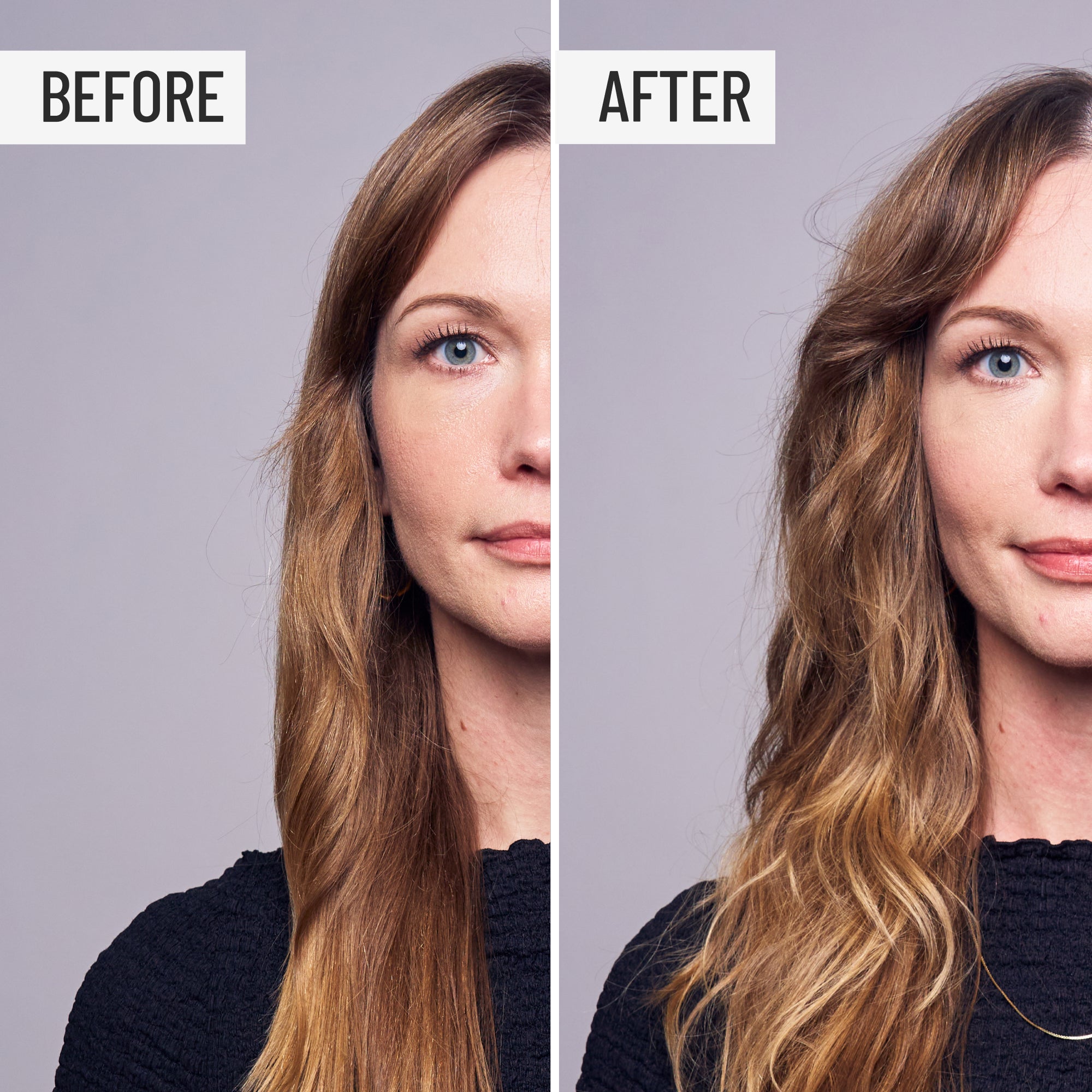
What Makes Blonde Hair Different
Natural blonde hair tends to have a finer strand diameter than darker hair types, which makes it more prone to flatness and breakage under mechanical and chemical stress. Its lighter pigment structure also means it is less protected against UV degradation, and sun exposure can progressively yellow and dull natural blonde color without the immediate visual drama of bleach damage but with comparable long-term impact on tone and condition.
Lightened or chemically blonde hair is a different category of challenge. Bleaching and lightening processes achieve their results by breaking down the melanin pigment within the cortex, which simultaneously opens the cuticle, raises porosity, weakens the disulfide bonds that provide tensile strength, and leaves the cortex structurally more vulnerable than unprocessed hair. Lightened blonde hair absorbs moisture readily but loses it just as fast. It is susceptible to breakage under forces that would be harmless to unprocessed hair. And it is the most vulnerable canvas for the tonal shifts, mineral deposits, and product accumulation that cause brassiness.
The Brassiness Problem
Brassiness in blonde hair has several distinct causes that require different interventions.
Mineral deposits from hard water, particularly iron, copper, and manganese, bond to the hair shaft and develop a warm, yellowish or orange cast that is distinctly visible against blonde pigment. This is not chemical brassiness from lightening, it is a mineral coating that toning shampoos and treatments cannot neutralize because the issue is physical rather than pigment-based. Removing mineral deposits is the only intervention that addresses this form of brassiness.
Product accumulation from silicone-based conditioners and styling products creates a yellowish film over time that dulls the blonde tone and reads as warmth. Again, toning does not address this because the warm cast is surface coating rather than underlying pigment. Clearing the product film reveals the underlying tone that the coating was obscuring.
Oxidative brassiness from the lightening process itself is the form that toning shampoos do address. As lifted pigment continues to oxidize over time and with sun exposure, the remaining warm underlying pigment becomes more visible, shifting the tone from cool or neutral toward yellow and orange. Purple and blue toning pigments neutralize this warm cast through color theory, and their role in blonde maintenance is legitimate.
The Problem with Most Purple Shampoos
Toning shampoos containing purple or blue pigments are a valid tool for managing oxidative brassiness, but almost all of them are formulated with sulfate surfactants. The stripping behavior of sulfate-based toning shampoos damages the already-compromised cuticle of lightened blonde hair with each use, opens the cuticle and allows the toning pigment to deposit unevenly, and removes the natural oils that protect the strand between washes.
The result is a cycle that worsens over time: the toning shampoo deposits color and strips moisture simultaneously, the hair becomes drier and more porous, the brassiness returns faster because a more porous cuticle releases toning pigment more quickly, and more frequent toning washes are needed. Each additional toning wash adds more drying, more stripping, and more damage to hair that was already structurally compromised.
The more effective approach uses a sulfate-free cleansing method that preserves toner between applications rather than removing it, while addressing the mineral and product buildup brassiness that toning cannot reach.
New Wash (Deep Clean) for Blonde Hair
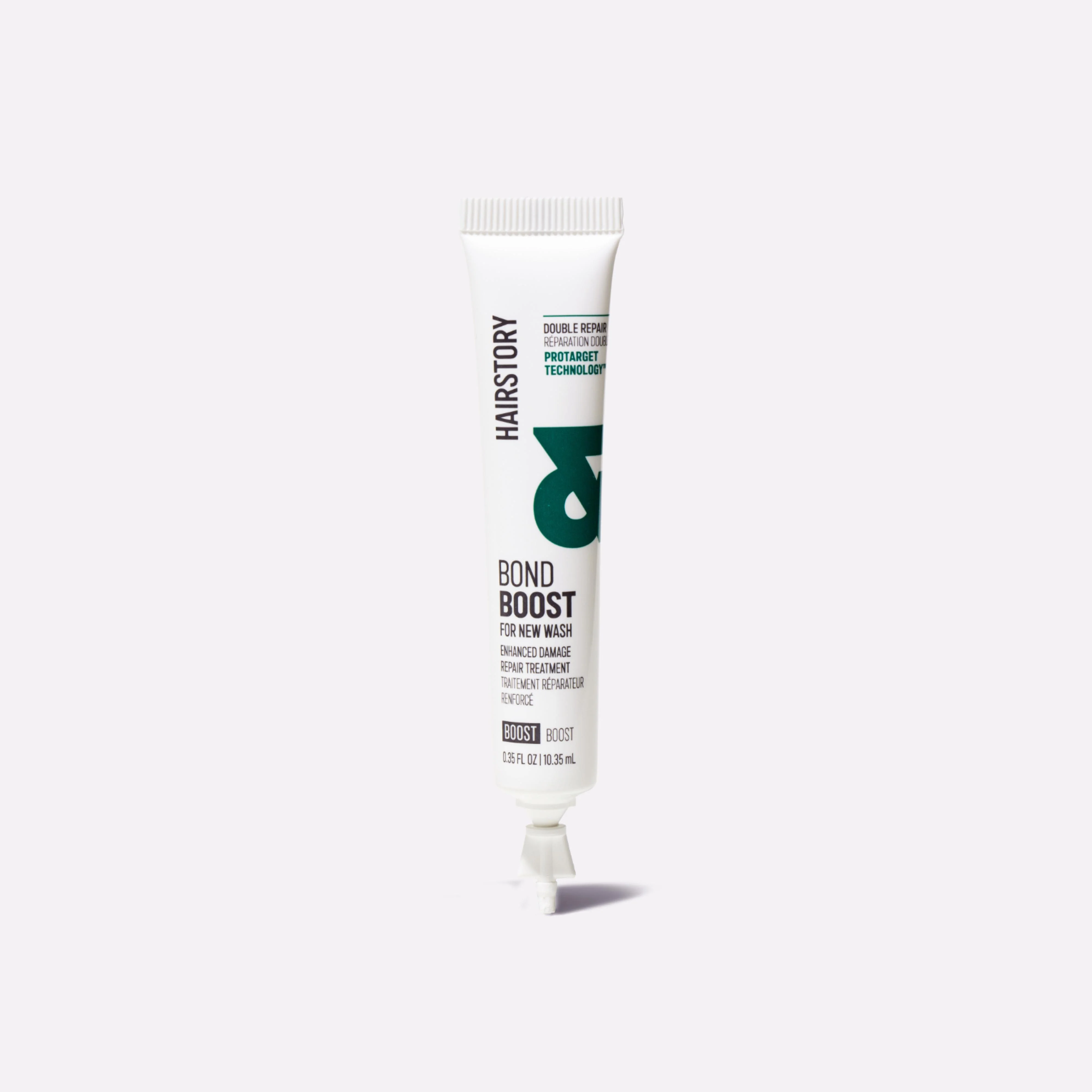
New Wash (Deep Clean) is particularly valuable for blonde hair because it addresses the forms of brassiness that toning cannot. Its concentrated sulfate-free cleansing system removes mineral deposits, silicone buildup, and accumulated product residue from the hair shaft without the stripping that would damage the lightened cuticle or remove existing toner prematurely.
Used every two to three weeks, New Wash Deep Clean clears the mineral and product-related causes of brassiness and dullness, leaving the blonde tone cleaner and more reflective than it was before. For blonde hair in hard water areas, where mineral accumulation is particularly significant and visually impactful, more frequent Deep Clean use addresses the yellowing that builds between applications.
A Deep Clean wash before a toning application provides a cleaner, more receptive surface for the toning pigment to deposit on, which typically produces more even and longer-lasting toning results than toning on hair that is carrying a mineral or product film.
New Wash (Rich) for Lightened Blonde Hair
New Wash (Rich) is the recommended regular formula for most lightened blonde hair. The porosity and structural vulnerability created by lightening processes mean that moisture delivered during the cleanse itself, before the cuticle closes during rinsing, is the most effective form of conditioning for compromised blonde hair. New Wash Rich's higher concentration of emollient conditioning agents takes advantage of this window, delivering genuine moisture to the strand simultaneously with cleansing and without the silicone coating that would accumulate on the already-porous lightened cuticle.
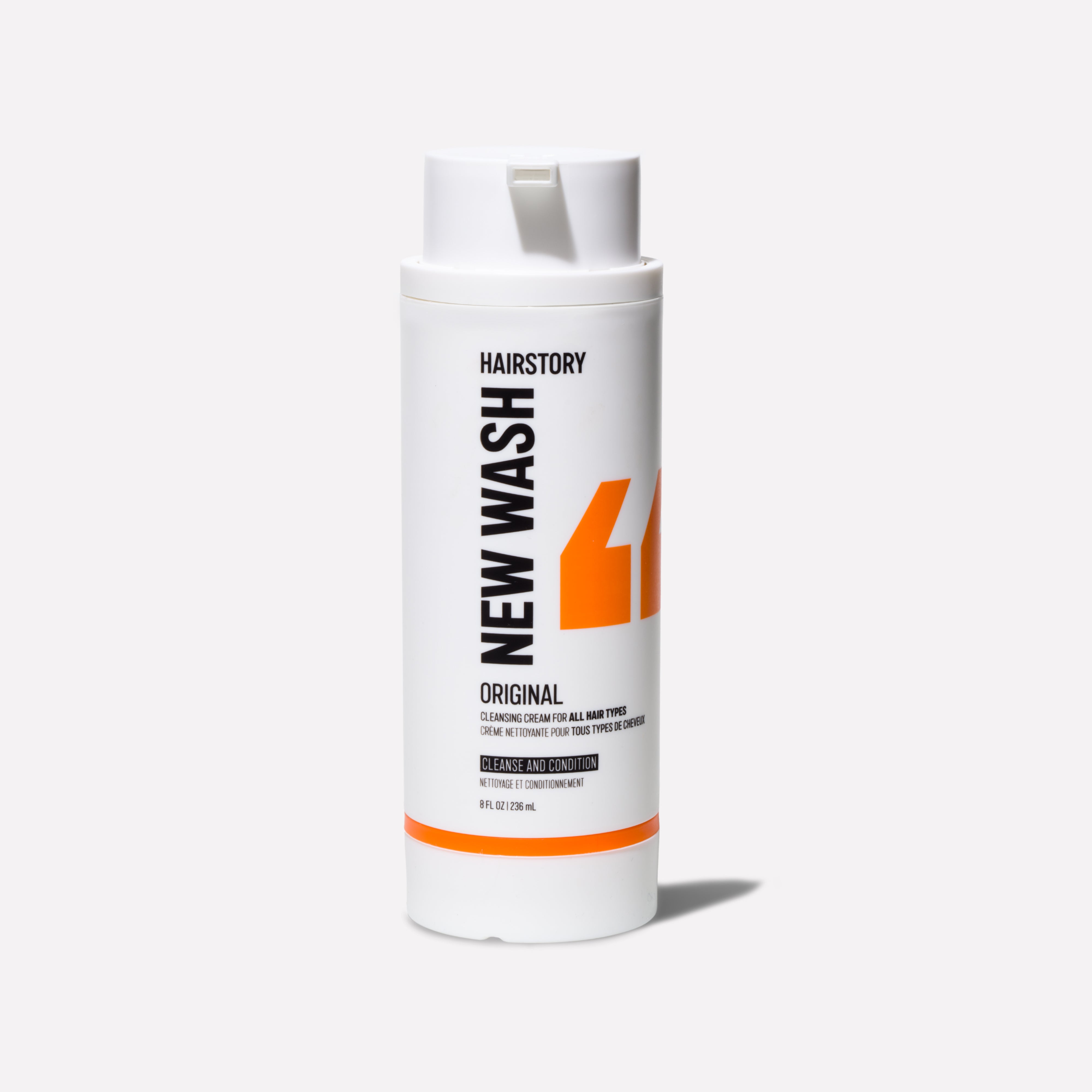
For natural blonde hair that has not been chemically lightened and tends toward fine or normal texture without significant dryness, New Wash (Original) provides effective cleansing and balanced conditioning without the fuller emollient weight of Rich.
Preserving Toner: The Sulfate-Free Advantage
One of the most immediately practical benefits of switching from sulfate-based toning shampoo to a sulfate-free routine for blonde hair is toner longevity. Sulfate surfactants open the cuticle and physically strip deposited toning pigment from the strand with each wash. Sulfate-free cleansing does not. The toning applied by a colorist or from a toning treatment remains in the hair significantly longer when the subsequent washes are sulfate-free, reducing the frequency of toning appointments and the associated chemical processing that accumulates on already-lightened hair.
For blonde hair that is being toned at home or maintained at a salon, using New Wash Original or Rich between toning applications preserves the deposit rather than removing it progressively with each wash.
Moisture and the Lightened Cuticle: Hair Balm
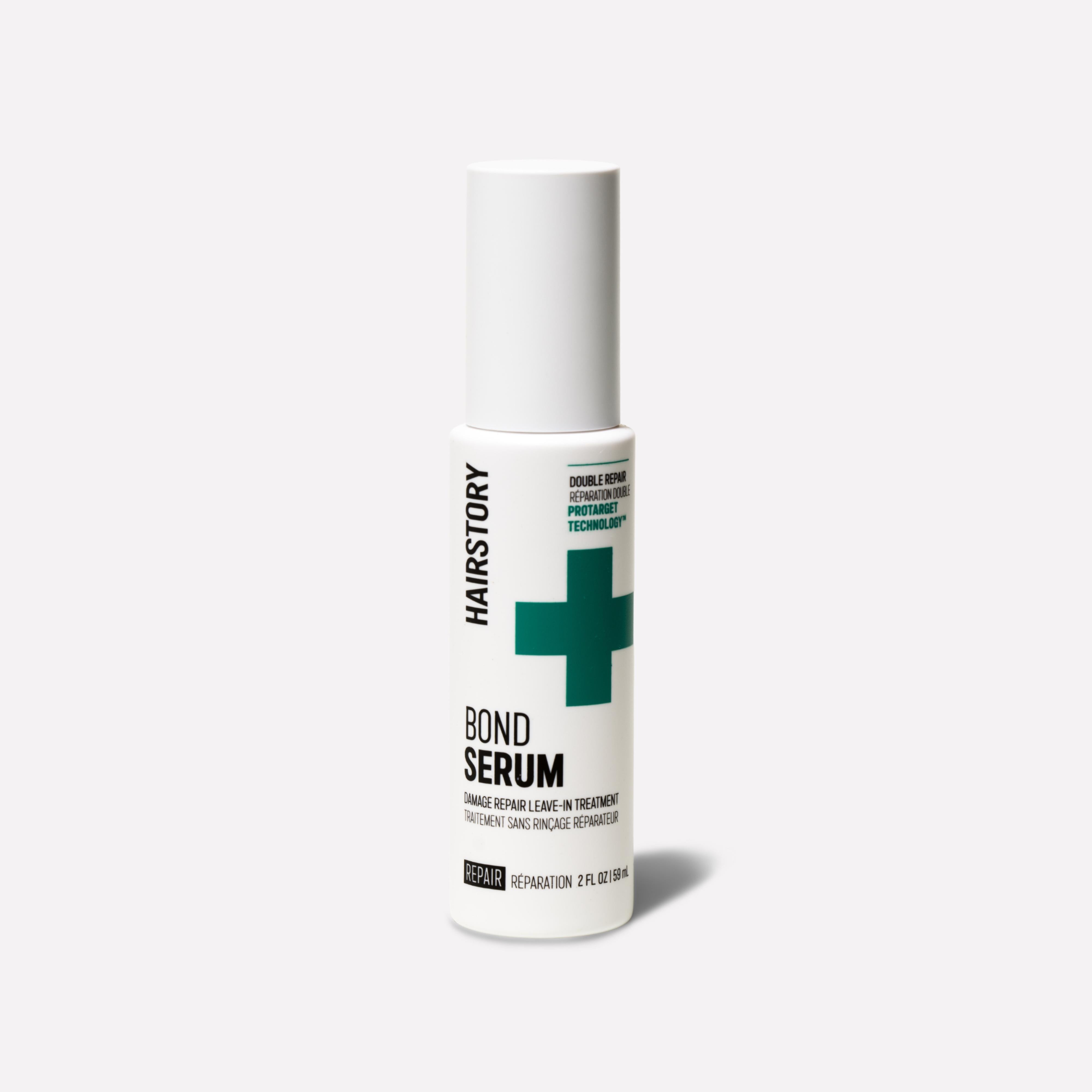
The raised, open cuticle of lightened blonde hair needs moisture sealed in rather than simply delivered. Hair Balmapplied to soaking wet blonde hair immediately after rinsing New Wash Rich provides leave-in conditioning that seals as the cuticle closes during the dry-down. The moisture deposited during the wash and extended by Hair Balm is partially retained within the strand rather than evaporating entirely as the hair dries.
Cool water rinsing before applying Hair Balm encourages the cuticle to close more completely, trapping more of the moisture from the wash and creating a better surface for the leave-in to seal. For lightened blonde hair, this two-step approach of wash-then-seal on wet hair is one of the most effective available interventions for the chronic dryness that bleach processing creates.
Shine: Blonde Hair's Greatest Asset
When blonde hair is healthy, moisturized, and free of product accumulation, its reflectivity is extraordinary. The absence of dark pigment means that light passes through rather than being absorbed, producing a luminosity that darker hair cannot replicate. The condition of the cuticle determines whether this potential is realized or obscured.
Hair Oil is the most effective finishing product for blonde hair because its smooth, light-reflective application on dry lengths both enhances the natural luminosity of blonde hair and seals the cuticle against the humidity and environmental exposure that causes frizz and dullness between washes. A small amount pressed through the lower two-thirds of dry blonde hair produces an immediate visible improvement in shine and dimensional light reflection. Used consistently, it is one of the most reliable tools for keeping blonde hair looking the way it should.
Heat Protection Is Non-Negotiable
Lightened blonde hair is structurally weaker than unprocessed hair at every level of bleaching, and heat damage accumulates faster and more visibly on already-compromised hair. The breakage and loss of tone dimension that result from repeated unprotected heat styling on lightened blonde hair are among the most common reasons for premature trimming and loss of the length and condition that make blonde hair worth the investment of maintaining it.
Primer, applied to all damp sections of blonde hair before any heat tool, is the essential protective step for anyone styling lightened hair with heat. By reducing both the temperature required and the duration of heat exposure, Primer allows blonde hair to be heat-styled safely rather than progressively damaged with each session.
A Blonde Hair Routine with Hairstory
Wash regularly with New Wash Rich, allowing a full two to three minute dwell time before rinsing with cool water. Every two to three weeks, substitute New Wash Deep Clean to remove mineral deposits and product accumulation that cause yellowing. Apply Hair Balm immediately to soaking wet hair as a leave-in after rinsing. Apply Primer to all damp sections before any heat tool. Finish dry hair with Hair Oil through the lower lengths for shine. Use toning treatments as needed between Deep Clean sessions, applied after New Wash for optimal toner deposit and longevity.
Blonde hair rewarded well is some of the most visually striking hair there is. The routine that keeps it that way is less about doing more and more about doing the right things consistently.