Picture a good salon day. Double wash in the shampoo bowl, foils in, cape on, a little burning, gossip with your hairstylist, and the smell of aerosol and ammonia. Come back in 2–4 weeks. Do it all over again. Every 2–4 weeks is like Groundhog Day.
That's what our hairdressers were taught in beauty school, at least. That was their rhythm. And for the longest time, the industry didn't question it. That was just salon. That was just the status quo.
Here's what nobody in this industry wanted to say out loud: whatever hairdressers were aggressively pumping and massaging into your scalp wasn't protecting your color. It was destroying it.
What we were taught was wrong. The industry was stripping your hair, selling you products to fix what was just broken, then sending you home with a bag full of expensive things that were also stripping your hair. And they did it with a smile.
The hair industry lied to us for 25 years. That's not a mistake. That's a problem. And you deserved to know a long time ago.
So, we're telling you now.
We've Been Teaching This Wrong
If you haven't already, you should feel a little annoyed right now, because no one was ever really taught to question it. The industry handed us a routine, and we handed it to you.
So let's actually look at what's happening.
We've said this before, and we'll say it again because it matters: shampoo and conditioner strip your hair's natural oils. Your visible hair fibers are dead. They're protected by oil produced by the hair follicle, the only living part of your hair. That oil is doing a real job. It is not the enemy. It is the thing you've been washing away.
And, we hate to break it to you, but you can't have it all. The colored hair, heat-styled hair, and washing with chemicals that aggressively strip.
You know how people say hair holds memories? Well, it's true. Your hair has held on to this memory loop of strip, overproduce, buildup, do it all over again. So let's make new ones.
What's Actually Going On Inside the Hair Shaft
Think of it like this. Your hair shaft is like a tightly rolled scroll. When it swells from moisture or chemicals, the edges of that scroll — your cuticles — lift open. And color doesn't live on the surface. It lives in the cortex, the interior. The moment those cuticles lift, the pigment you just paid to deposit runs for the door with every single rinse.
Even water alone will cause stripping. Anything that swells the hair shaft and causes the cuticles to lift will allow color deposited in the cortex to escape.
The sun is starting to come out, which means people are switching up their hair and then basking in the sun. So, on top of the coloring, the heat, and the shampoo and conditioner, the UV rays damage the protective oily layer of your hair and break down the chemical structures that produce hair color.
So, there goes that.
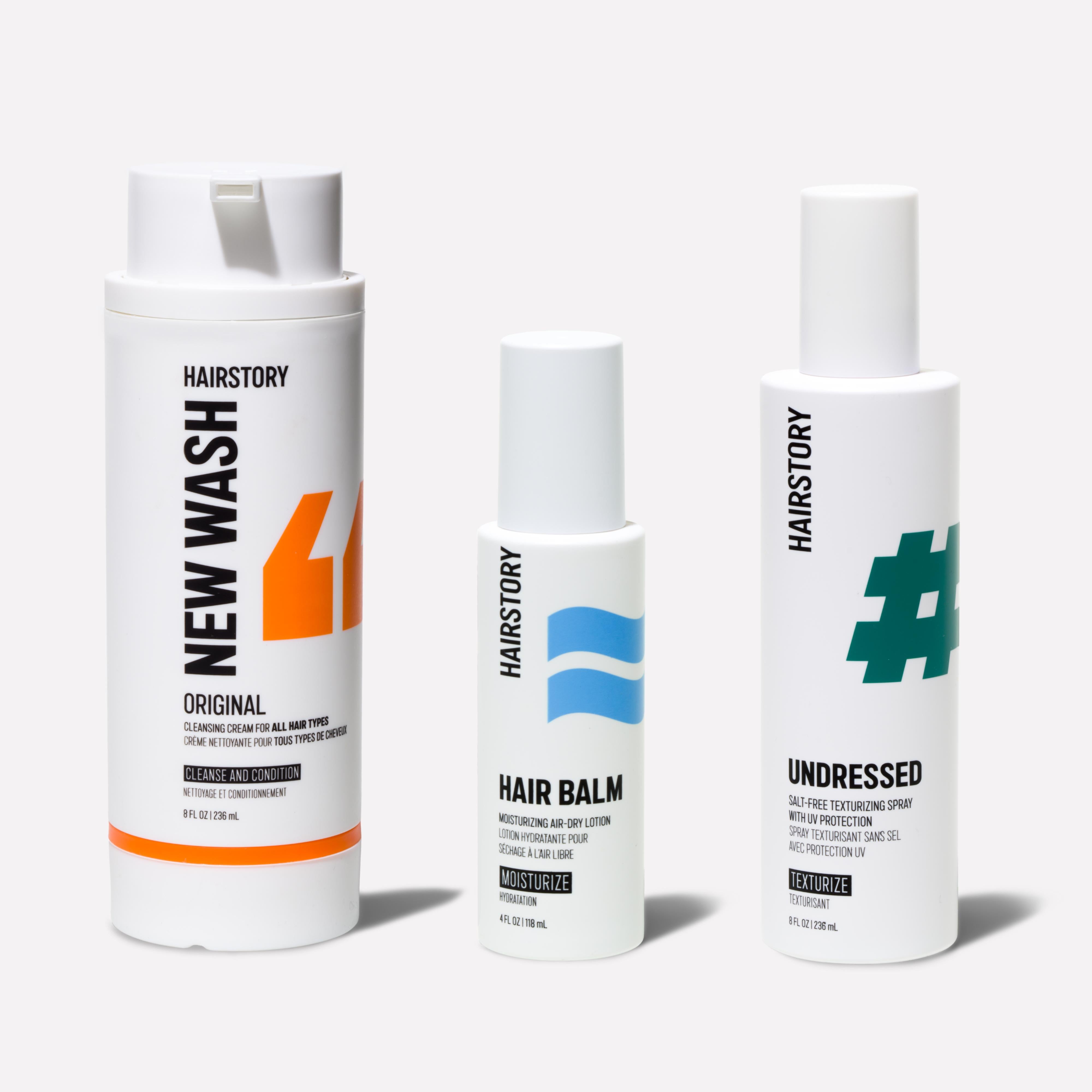
You already signed up for hair damage because that's just the consequence of coloring hair. So let us walk you through how New Wash doesn't compound that damage.
What Happens When You Actually Test It
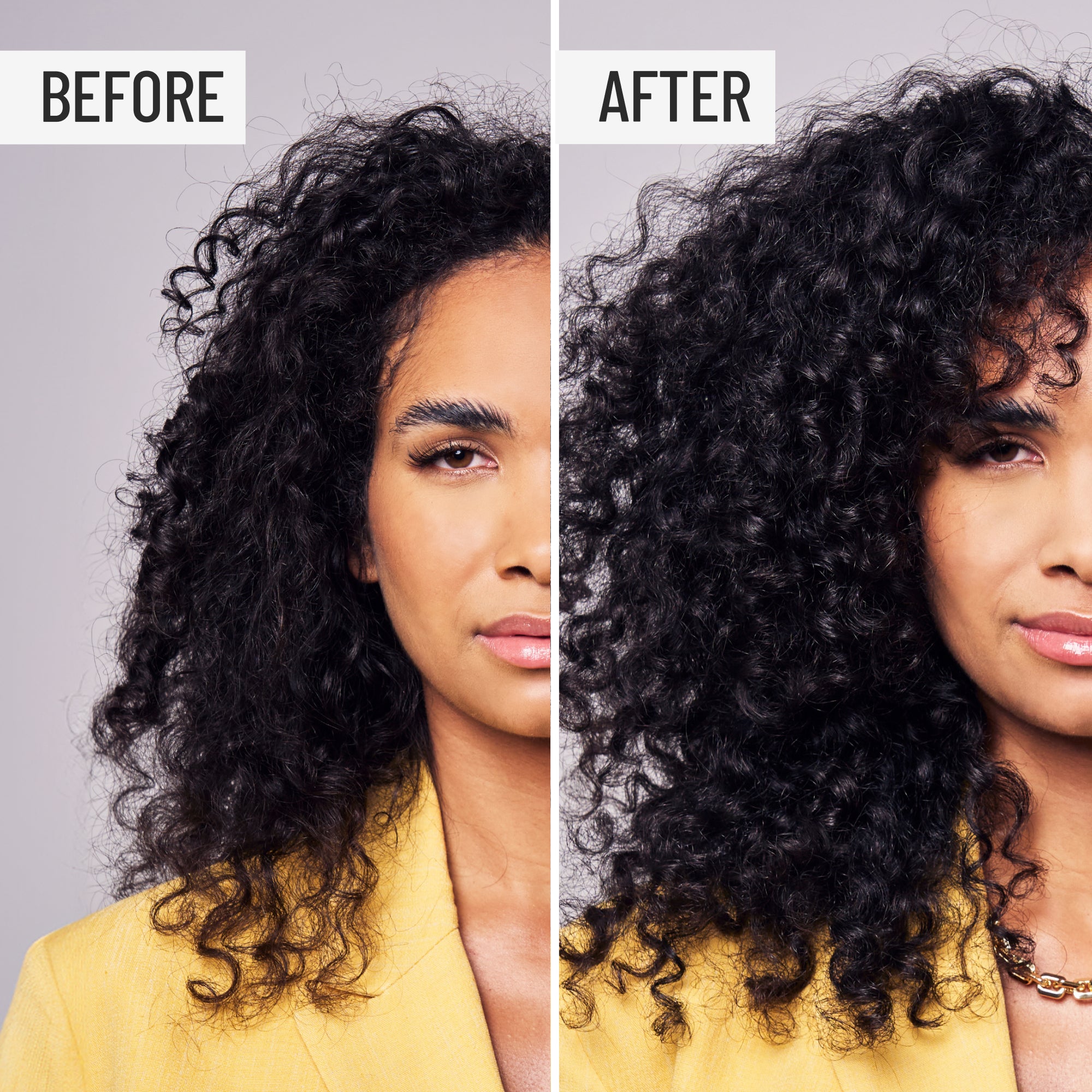
We've seen the difference in the chair over and over. Clients who switch stop coming back, needing color refreshed on the same timeline. Groundhog Day is now back to its one moment on the calendar year. The color holds. It just holds. But we also ran the numbers.
Here's what we found when we tested it: a burgundy extension and a ginger extension, washed ten times with New Wash. The color didn't move. 100% retention across ten washes. For anyone who's been told you have to choose between clean hair and color that lasts, that's your answer.
If you don't believe us, you should read more about it here.
So it doesn't matter how many times you wash your hair with New Wash, your color won't fade. And, you don't need a specific hair cleanser because New Wash is a product for all hair types.
It's a new way to wash your hair. Your hair holds color and new memories.
The Bottom Line
Every wash with a detergent-based shampoo is working against your color. Working against the money you spent, the time you sat in the chair, and the health of the strand underneath. New Wash doesn't swell the shaft. It doesn't lift the cuticle. It doesn't strip what it's not supposed to take. That is the whole difference.
Ready to stop washing your color away? Find your New Wash — one formula for every hair type, no detergents, no compromise.
Keep Reading
- Why Shampoo Created the Products That Follow It
- WTF Are Detergents and Surfactants?
- The Surfactant Spectrum: Why No Detergent Is Mild Enough
The information in this article is for educational purposes only and is not intended as medical advice. Always consult a board-certified dermatologist or qualified healthcare provider if you have concerns about your hair or scalp health.