This Fall, Hairstory helped sponsor hairdresser Edward Lampley backstage at The Society Archive's debut runway show, "Dogma."
The Society Archive is a vintage clothing and curated archive brand that showcases all-American mall staples from the '90s and 2000s, think Abercrombie & Fitch, L.L. Bean and Ralph Lauren. Its debut show featured 30 looks built around early-2000s American heritage: relaxed linens, vintage cargo, swimwear and easy separates. Under Edward's creative lead, Hairstory brought in a crew of veteran hairdressers eager for the experience.
Opportunities like fashion week sit close to Hairstory's editorial roots, and they don't happen without our hairdressers. We keep the door open for stylists who want backstage experience and who use our products in their own salons.
What It's Really Like Backstage
Working backstage means sharing space with some of the most talented hairdressers and models in the industry, faces that show up in magazines, digital campaigns and international ad runs. It sounds like a dream, and it is, but it's also completely normal to feel shaky the first time. Here's what our hairdressers want you to know before you get there.
One of the stylists on set, Danielle Sivulich, put it best: being backstage is like spending hours cooking Thanksgiving dinner just to watch it get eaten in minutes. Shows take hours of prep for looks that show for ten. The payoff isn't the applause, it's the work itself.
4 Lessons From Backstage at Fashion Week
- Time management is teamwork. When models need diffusing, twists and pin curls all at once, you need as many hands on deck as you can get. Backstage doesn't run on solo effort.
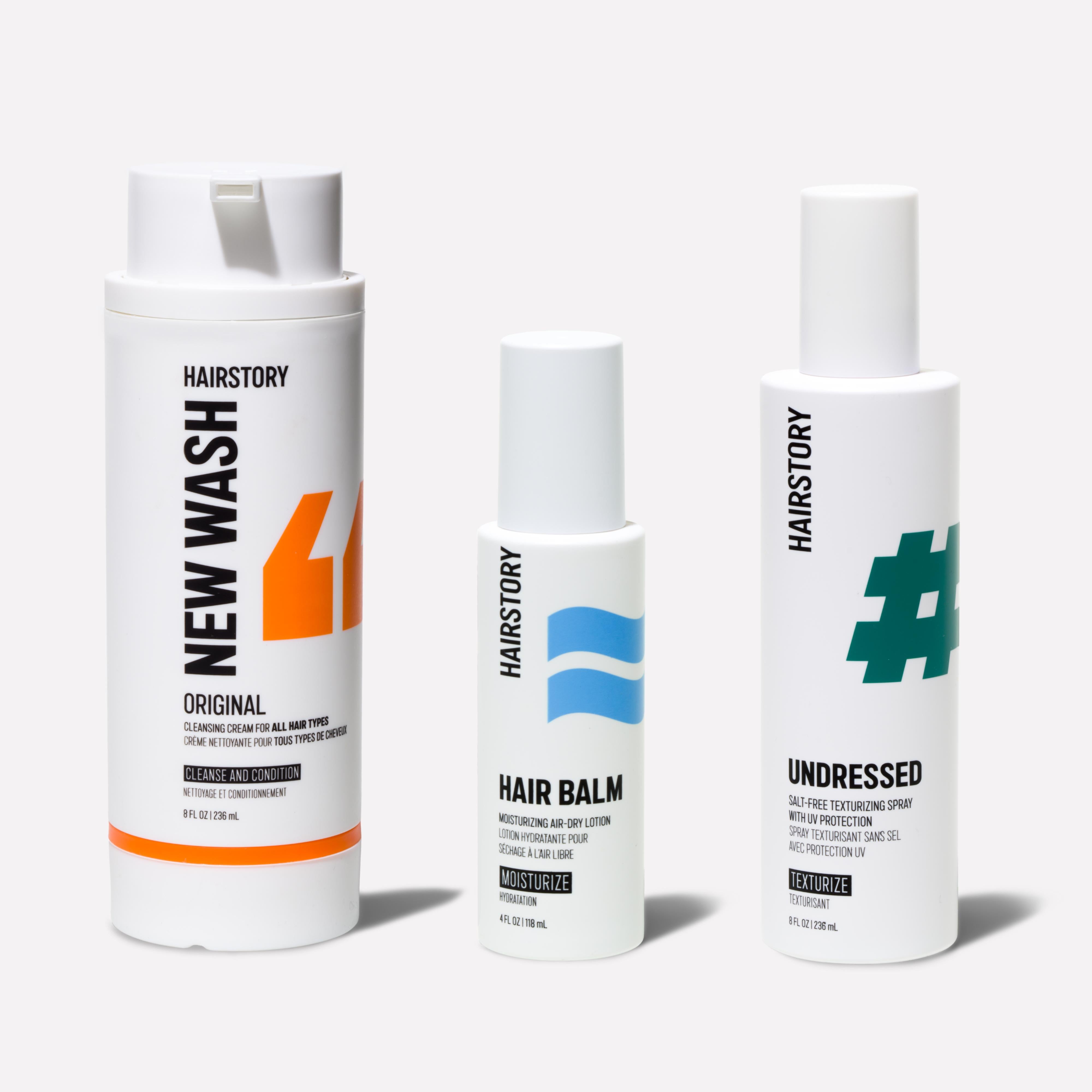
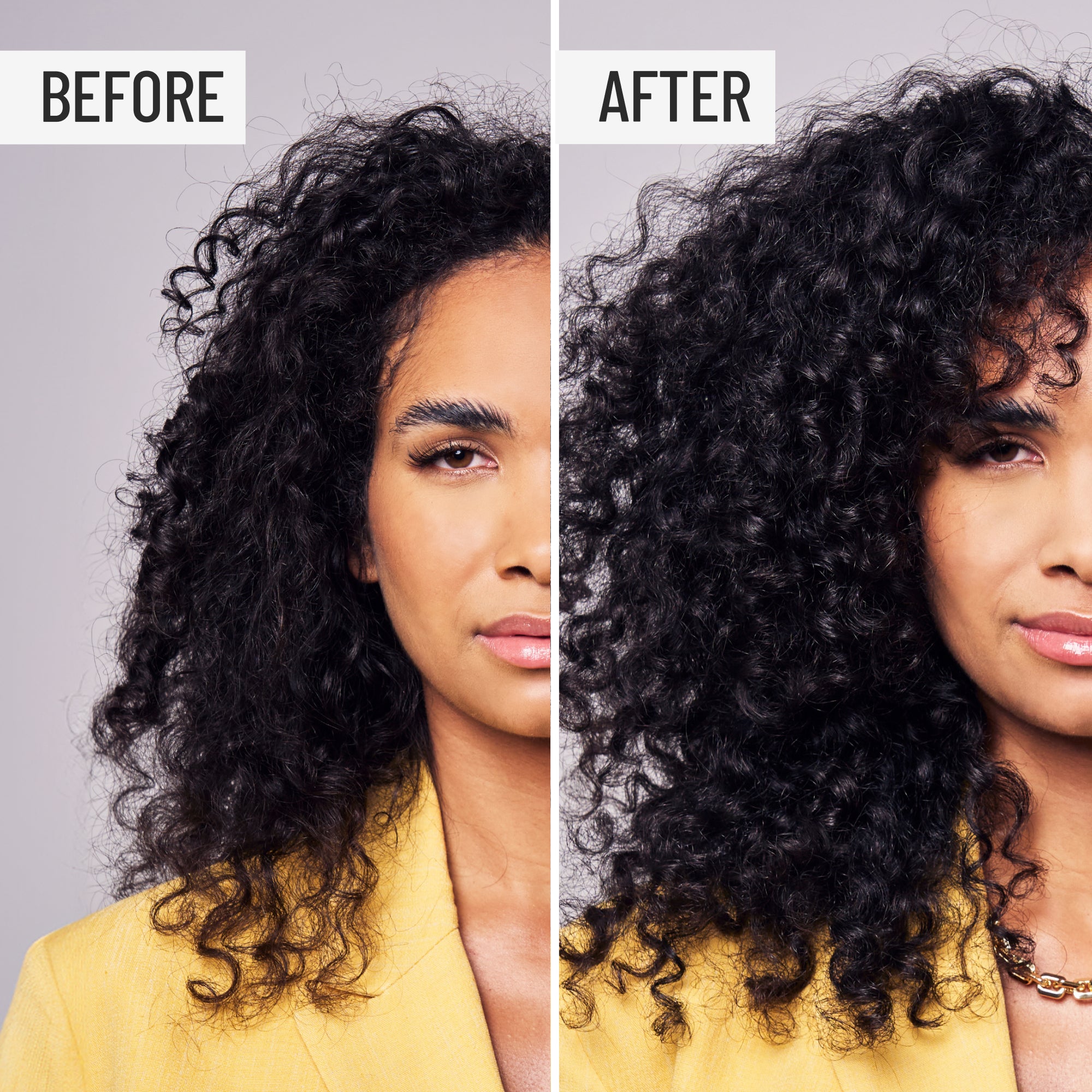
- Less is more. Edward's undone, lived-in look came down to two products, not a bag of tricks: Undressed, our salt-free texturizing spray, and Primer, our heat protectant. Everything else was skill.
- Wait for direction. If you're second-guessing yourself or need guidance, it's worth pausing a beat for the lead to come to you instead of guessing.
- Communication keeps everyone moving. Backstage runs on people, not job titles. One hairdresser found out a model was ready from someone who simply recognized her, not an appointed runner. Anyone might flag the next step, and suddenly you're the one ushering people along.
Four hours later, hair and makeup wrapped, the rush settled, a couple rounds of applause, and it was time to pack up. Shows like this are a natural extension of Hairstory's editorial roots, and a reminder of what we're actually building toward: hair that looks like you did nothing to it, even after hours of work behind the scenes.
It's worth the stress. You're part of something bigger than yourself, learning from the people around you and training your eye in real time.

Keep Reading
- Is Editorial Hairdressing for You? Here's the Good, Bad and the Beautiful
- Product Pairing Tips From Pro Hairstylists
- What Does a Sea Salt Spray Do For Hair?
- How to Make Straight Hair Wavy With & Without Heat
The information in this article is for educational purposes only and is not intended as medical advice. Always consult a board-certified dermatologist or qualified healthcare provider if you have concerns about your hair or scalp health.