Shampoo, low-poo, no-poo, what’s all the pooh-poohing about? In addition to offering an eco-friendly hair care option, these methods are proven to be effective hair care alternatives.
The idea behind each of these natural hair care methods boils down to finding the perfect balance of cleansing and conditioning, removing oils that you don’t want, and preserving those that you do. The consensus amongst the curly hair community is that traditional shampoo and curls are NOT made for each other, and there are other cleansing solutions that, in fact, are.
WHY LOW-POO?
Most traditional shampoos are made for people who are trying to get rid of oily hair, but those with curly hair are constantly trying to keep oil and moisture in and what little they manage to hold onto is no match for general-use shampoos. What’s more, traditional shampoos are marketed by hair type. Yet curly hair and afro-textured curls are characterized by multiple types – with more than one type appearing on one head of hair – rendering traditional shampoo options rather limiting.
In the early 2000s, sites including blackhairmedia.com, curlynicki.com, and naturallycurly.com began sharing stories about how amazing curly hair looked when only using conventional conditioners. Lorraine Massey’s Curly Girl Method brought this discovery into the mainstream calling it ‘co-washing’ (conditioner-only washing) and finally validated the idea that women with curly hair need to wash their hair differently from those with straight hair.
If you subscribe to the Curly Girl Method, you know that traditional shampoo is off the table, especially those that contain sulfates, parabens, or silicones. Even some low-poo products are suspect. Incidentally, the term ‘low-poo’ was originally coined by the American haircare brand, DevaCurl, former employer to Ms. Massey.
3 WAYS TO GO LOW-POO FOR CURLY HAIR
The first low-poo method is simple: reduce both the frequency with which you rinse your hair and the amount of shampoo you use when you do.To go low-poo, your favorite, regular shampoo will do just fine; use it sparingly, and add a thorough massage with your fingertips or a shower brush to make sure your scalp gets the cleansing it needs.
The second low-poo method involves using a different set of hair products, namely ‘cleansing conditioners.’A cleansing conditioner behaves more like conditioners than conventional cleansers and contains low levels of ‘kinder’ detergents; it also avoids ingredients such as sulfates, parabens, and silicones. Conventional conditioners often contain silicones that act as a barrier to water, effectively repelling essential hydration for curly hair.
Cleansing conditioners are often botanically-infused and made of ‘natural’ ingredients – though the term itself is quite vague – cleansing conditioners aim to remove impurities while stripping away less sebum, your body’s essential, natural source of moisture. They produce far less lather than traditional shampoo, and some don’t suds up at all.
Glycerin, Behentrimonium Methosulfate, Stearamidopropyl, and Behentrimonium Chloride are all ingredients to look for that have cleansing properties that also deposit essential oils to soften and smooth.
A third low-poo method of sorts is to coat wet curly hair thoroughly with a conditioner or an oil before applying shampoo to blunt the stripping effects by creating a more formidable barrier.This method is used proactively by women with afro hair textures and practiced by the Japanese using oils such as Coconut, Almond or Jojoba.
WHAT’S THE DIFFERENCE BETWEEN THE LOW-POO AND NO-POO METHODS?
The no-poo method is an extreme position in the anti-shampoo movement that describes a more natural hair care method rather than a specific hair product. No-poo products include anything that ‘cleans’ hair and scalp without using detergent whatsoever, such as washing hair with baking soda (risky), apple cider vinegar (less risky), clay (surprising), or water-only (effective but not for everyone). But, is apple cider vinegar good for your hair, or any of the other methods mentioned above? Each method has its risks, so consider the ingredients in each product before trying it on your hair.
IS CO-WASHING LOW POO?
The low poo method is not the same as the co-washing method, mentioned above. Co-washing involves using only a conditioner to cleanse, making it one of the no poo shampoo methods.
CLEARING UP ‘CLARIFYING’
You may read that following a low or no poo method means also using a clarifying shampoo, or strong shampoo, periodically to revolve build-up. If you are a heavy user of very waxy or silicone-laden styling products or you live or work in high-pollution areas, you may have to.
But clarifying doesn’t necessarily mean bringing in extra-strength shampoo. If you feel you need your hair to be cleaner, simply wash more often. While needing to wash rinse less frequently is often a result of quitting shampoo, it isn’t necessarily a goal in and of itself.
The whole point of the low poo shampoo method is to limit your detergent exposure, not to live with unclean hair.
But what certainly is a goal is no longer needing those three or four extra moisturizing steps that curly women have come to accept. You won’t need them when you stop using shampoo. And as long as you stick to the water-soluble variety, you may not need an extra clarifying shampoo.
• • •
Choosing between the low-poo and no-poo methods is a personal choice, and you may choose to try both. There are times when your hair will need more consistent conditioning depending on the climate or your styling or coloring habits, while the low poo method may make more sense during more active periods, for example. You know your hair best, so try both and see what works best for you and your unique curls.
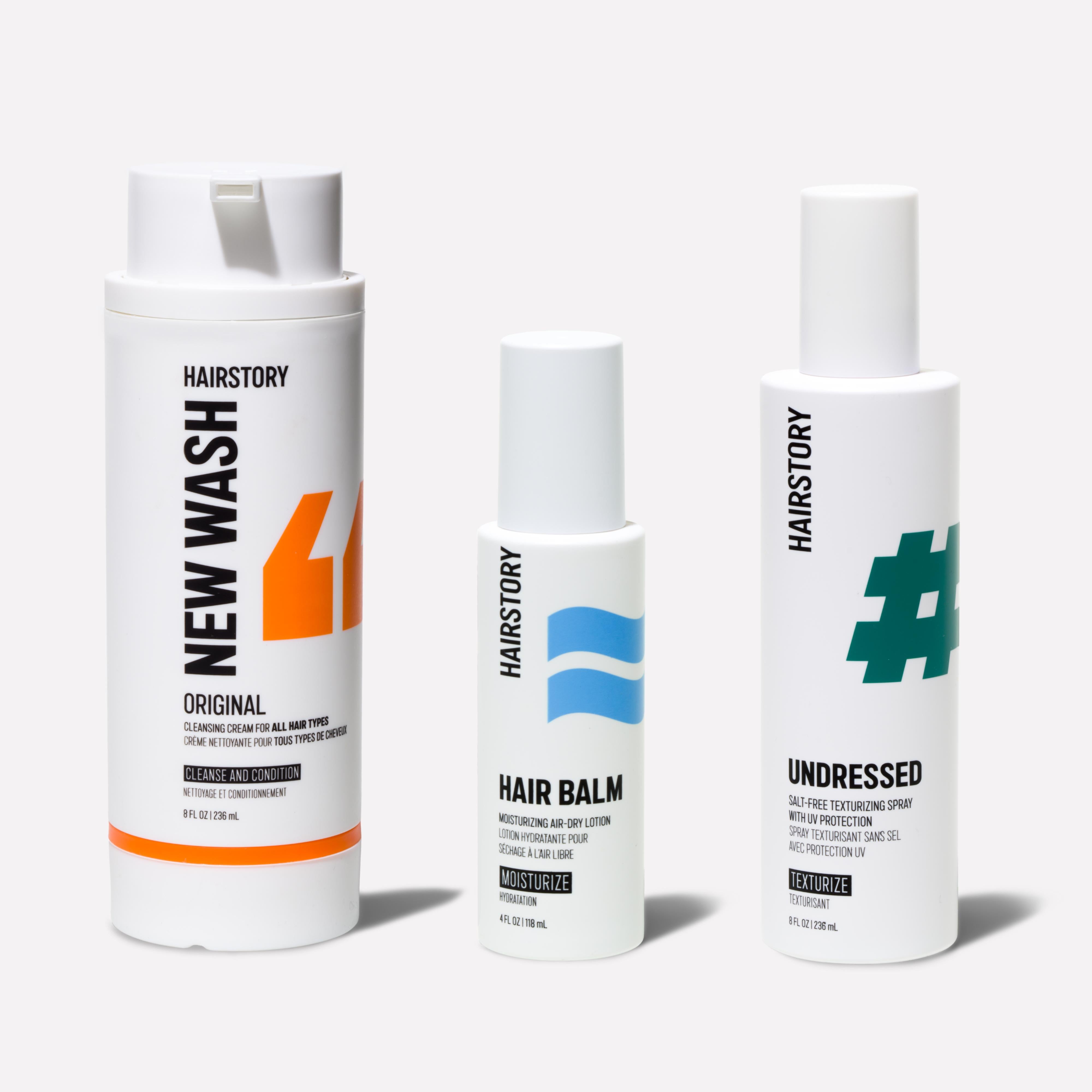
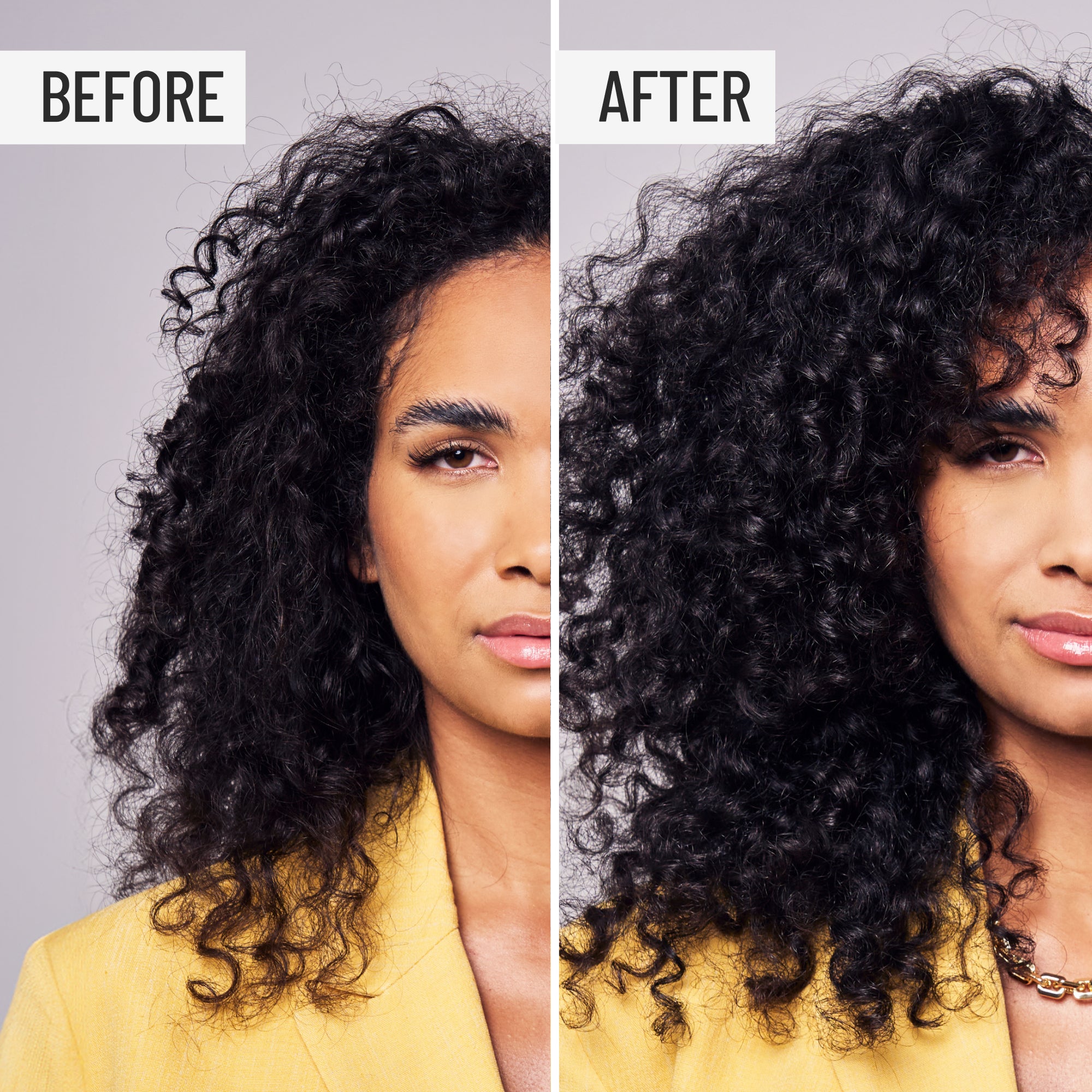
New Wash is a fantastic option for a low-poo lifestyle and goes even further to satisfy no-poo adherents by including no detergent of any kind on the ingredient list. Instead, a blend of Aloe Vera juice and essential oils and extracts condition while gently dissolving impurities and respecting your natural sebum. No sulfates, no parabens, no silicones, and plenty of the conditioning stars mentioned above will more than meet all your curl requirements – and with three versions to choose from, there’s something for everybody.