Maybe you’ve decided that blondes have more fun after all, and you’re out to prove it by bleaching it. Color technology has come a long way since the first platinum bleach blonde hair took the stage in the late 1940s when the Lapin Brothers invented the first controllable hair color – an event that today’s salons take for granted – and transformed a brunette Norma Jean into the bleached blonde hair icon we know as Marilyn Monroe.
But being blonde is no fun at all if you’ve fried your hair with too much bleach; we’re here to make sure you don’t cause irreparable hair damage and to fill you in on the ins and outs, dos and don’ts, highs and lows of life on the lightened side. To guide you, we enlisted blonde specialist Cyd Charisse who is also co-founder of a coaching company for hairstylists called Destroy the Hairdresser, busting the myths that stand in the way of a successful beauty career. She has the answers to the most common questions that come our way about how to take care of bleached hair from hair wash products to maintenance tips.
HOW CAN I BE KIND TO MY BLEACHED HAIR AND KEEP IT BRIGHT?
We hope that you have entrusted your journey to lightened hair to a colorist who has the tools and know-how to give you the blonde of your dreams without compromising healthy hair. Cultivating a healthy – and consistent – relationship is the best way to maintain bleached hair health; they will know what your unique hair care needs are, and how it responds to the hair color and hair product. “Don’t wait too long between appointments,” says Charisse, who urges her clients to schedule a series of visits 6 months to a year ahead. Read this to learn more about toning options with semi- vs demi-permanent hair color.
DO I NEED TO GET REGULAR HAIRCUTS?
“Haircuts are extremely necessary for healthy growth. Getting one quarterly, or at least bi-annually is going to be beneficial.”
WHAT ABOUT BRUSHING? SHOULD I?
“Maintaining bleached hair is all about prevention: preventing dryness is essential. Brushing your hair morning and night is important to bring the natural oil your scalp produces down and through your ends to keep them moisturized.”
HOW CAN I KEEP MY HAIR MOISTURIZED AND AVOID IT DRYING OUT?
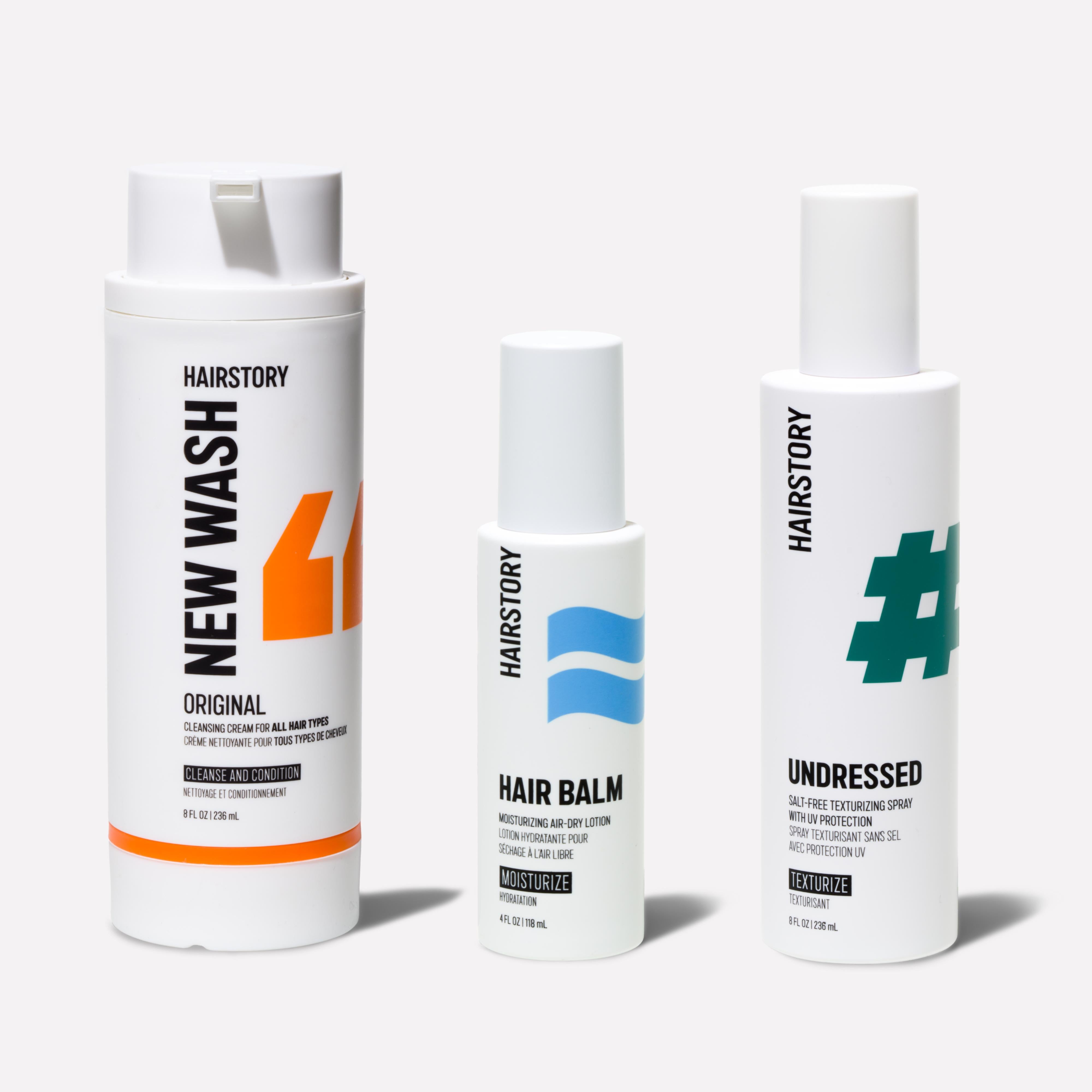
“Hydrate, hydrate, hydrate – internally and externally. The best thing you can do is to use a cleanser that doesn’t strip natural oils, or strip your color if you have had a toner applied. I always recommend New Wash; it’s full of essential oils and extracts that cleanse without stripping your natural protection. It works as a moisturizing treatment every time you wash your hair.
Then, a rich, leave-in conditioner will be your best friend, product-wise. After you’ve washed your hair and are out of the shower, gently towel-dry it and apply some – concentrating on typically drier ends – and let it dry naturally. Hair Balm will help you style your hair, keep frizz at bay, and help you resist the urge to blow-dry.”
HOW OFTEN SHOULD I WASH MY HAIR?
“Wash your hair no more than every other day, and even that may be too often. Make sure you use a detergent-free cleanser that doesn’t strip – again, New Wash is the one!”
MY HIGHLIGHTS ARE SUN-BLEACHED AND LIGHTER THAN I LIKE. CAN I TONE THEM DOWN?
“Toning is always helpful when the environment is lifting your tone. When it comes to toning, always consult your colorist. Sun works as a natural bleach, so if you’re blonde, protect your hair with a hat or a hair sunscreen. I keep a hat in my bag wherever I go, even if I’m just walking around the city.”
MY BLONDE IS BRASSY. WHAT CAN I DO?
“If your newly colored hair is turning brassy in the first weeks after it was done, check your water. If it is also feeling brittle or frizzy, there’s a strong possibility that you are washing with hard water, and it’s damaging to blondes and to color-processed hair in general. It can accelerate fading and cause blonde to turn orange, yellow, or even green. Look into a water filter for your showerhead, and at the very least spread out the frequency of your washes.” Read this for more tips on how to get rid of brassy hair.
HOW CAN I ADD FASHION COLORS WITHOUT DAMAGE?
“Fashion color – pink, blue, or purple – is so much fun, and can be a great accessory to your look. But as with any color change, there has to be a commitment to maintaining it. The longer you go between coloring it, the more they will fade. If you’re not ready for a commitment, try adding clip-ins to ad color, or dye small pops of color on layers underneath that can be hidden and are less of a big deal if they fade.” Read more on how often you can dye your hair without damaging it.
WHAT ARE THE BEST WAYS TO AVOID DAMAGING BLEACHED HAIR?
“I like to ask, ‘What are you doing in the dark?’ By that, I mean, what are you doing to your hair when there’s nobody around?
- Are you wearing too-tight ponytails that cause breakage around the face?
- Are you putting your hair in tight, messy buns and ripping the elastic out?
- Are you using hot tools on Sahara-level heat that singe your hair?
- Are you using products that actually nourish your hair?
All these things will cause irreparable damage.
Follow my 4 tips:
- Test your water for minerals.
- Don’t wash every day.
- Protect your hair from the sun.
- Use a product such as New Wash to nourish naturally.
If you have good hair color and you’re keeping up with it, it makes you look good and it makes your colorist look good!”
Looking for even more tips for dyed hair?
* * *
Sources:
1. Lapin Bros. School of Beauty. The Hair Hall of Fame. URL.
Accessed October 7, 2020.
2. Cydcharisse. Instagram. URL.
Accessed October 7, 2020.