While we love a good head of grey hair, not everyone feels the same way. If you aren’t quite ready to embrace the color (or lack thereof) yet, we’ll walk you through the best way to cover grey hair.
It’s a Google search many people make once they notice those first streaks start to pop up: “how to cover grey hair.” There are plenty of reasons to want to cover grey hair: Maybe you aren’t loving the way it looks, maybe it makes you feel a few years, ahem, wiser than you’d like, or maybe you’ve just always wanted to dye your hair pink.
Grey can be gorgeous, of course, but until you’re ready to flaunt those silver strands, there are a few things you need to know while you cover them up.
What to Know About Grey Hair Coverage
Dying grey hair isn’t the same as dying blonde, red, brown, or black hair. Because it’s drier and more porous than more color-rich shades, grey hair can be more resistant to dye. Plus, as we age, our scalp produces less oil, making our hair coarser and less accepting of color. It’s by no means impossible to cover grey hair – just look at half of Hollywood — but you might notice the color fading faster than you’d like.
Depending on the color you’re using to dye your greys and how quickly your hair grows, you might have to start making more visits to your salon than you used to. Covering a grey streak or a few strands here and there is a lot easier than full coverage (where your silvery roots will show after a bit of growth), but either way, regular touch-ups will keep your color consistent and natural-looking.
Before doing anything, consult with a colorist who will be able to examine your hair, talk with you about your desires, and help you figure out the best course of action. You can likely work with your regular stylist, but it may also be worth looking into a colorist who specializes in covering greys.
The most important factor when covering grey is your natural hair color — covering grey on dark hair is a lot different than covering it on lighter shades.
Covering Grey on Dark Hair
There’s no way around it – covering greys on dark hair can be a challenge, particularly if your greys tend to be light and silvery, because there’s a notable contrast between the two shades.
But if you’re set on hiding grey hair on dark hair, there are a couple of strategies to consider. One option is highlights: Adding in subtle (or not-so-subtle) lighter streaks can help your greys blend in with your darker hair. If your greys tend to pop up around your hairline, getting a few face-framing highlights is a lower-commitment look than full-head coverage.
Prefer a full-color look? Consider a color one or two shades lighter than natural – especially if you notice your greys are on the lighter side. This will create a less stark contrast between your greys and the dyed hair when your roots start coming in.
You also have options when it comes to the type of dye. If you have a lot of grey or are going for full coverage, a permanent dye is likely your best bet – it’s long-lasting and offers a more pure color. If you’re not fully grey, try a temporary or demi-permanent color. It’ll create a more natural blend and avoid as harsh a line between the grey and the dyed hair.
Covering Grey on Blonde Hair
Whether you’re a blonde with a few grey strands or you’ve fully crossed over, you will likely have an easier time with your greys than someone with dark brown or black hair. If your shades of blonde and grey are similar, even better: Whether you opt for highlights or full coverage, you’ll be able to go longer without covering your greys before they become super noticeable.
One perk of going grey when you’re blonde is it’s easier to play around with the colors you’re using to cover your greys – the perfect excuse to finally dye your hair bubblegum pink or mint green! Unlike non-grey hair, you don’t have to bleach first (which runs the risk of damaging your hair and making your greys even harder to work with).
Be wary of going darker than your natural color, though. If you decide you don’t like the shade and want to go back to blonde, it can be a difficult (and bleach-intensive) process.
Caring for Dyed Hair
Pre-color
Now that you’re ready to take the plunge, it’s time to prepare your hair. It’s always a smart idea to keep it as healthy as possible, but it’s especially important to keep it well-nourished and hydrated in the weeks leading up to coloring, as dye can be damaging. You’ll also want to skip washing your hair for as long as possible before getting it colored, because your natural hair oils will offer your scalp better protection against the chemicals in the dye.
Post-color
It’s a good idea to get a trim right after your hair is dyed, to remove the ends that might have been damaged during processing. (Though, if you’re planning on getting a significant haircut, get it done before dying — there’s no sense in coloring a bunch of hair that’s going to end up on the salon floor.)
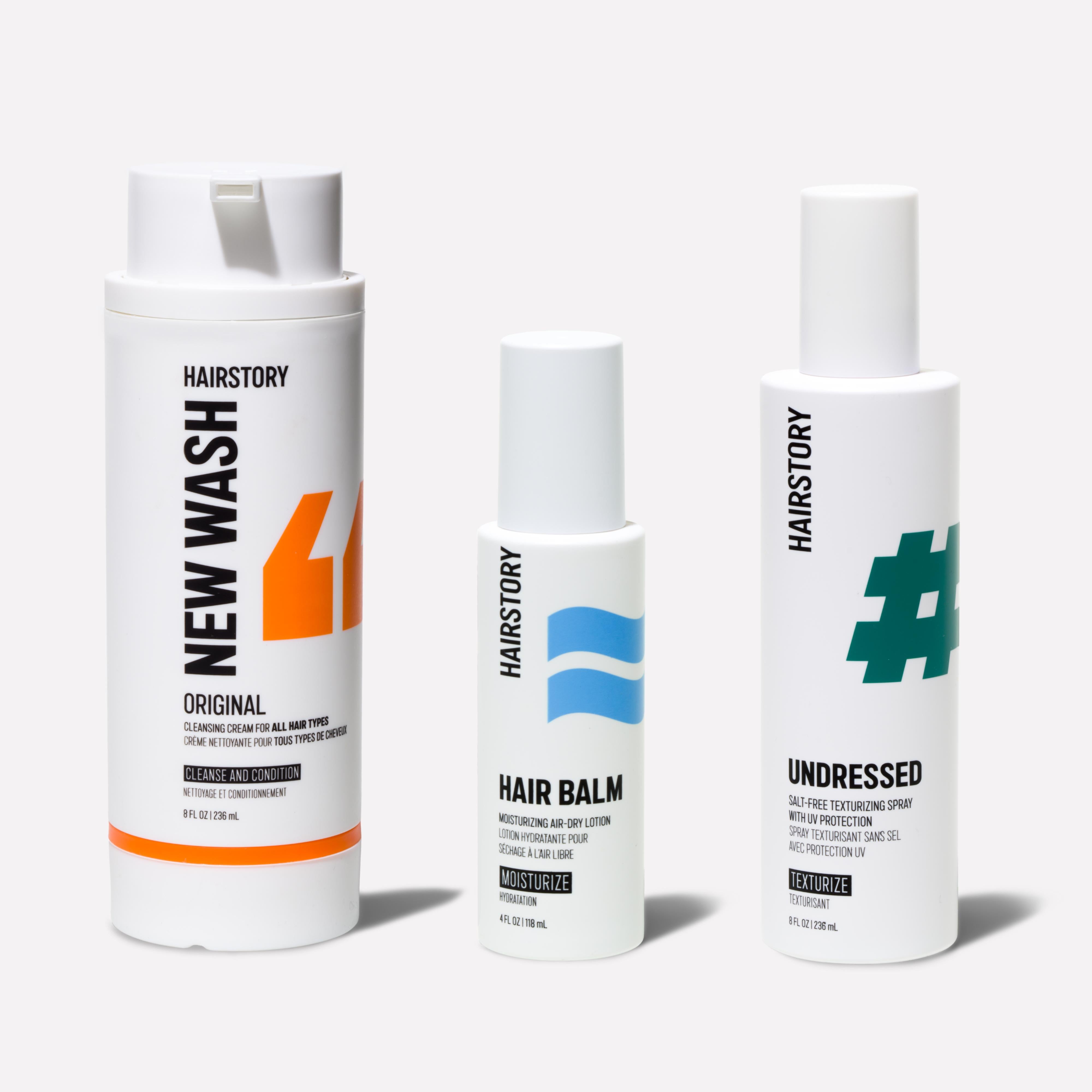
Wait three or four days after coloring to wash your hair, which gives the pigment time to settle in. When you do wash your hair for the first time post-color, avoid clarifying shampoos, and don’t use a blow dryer — let your hair air dry and leave it alone for another 72 hours. Hairstory Hair Balm combats dryness and frizz, making it ideal for letting processed hair dry naturally –and beautifully.
After that initial wash, try to avoid washing colored hair more than once a week, and use cool water when you do, as hot temps can make the color fade faster. Use an oil-based product like Hairstory New Wash; detergent-based cleansers can cause color to fade in no time.
A few other tips for keeping your color from fading:
- Don’t sleep with a tight bun or ponytail, which can cause the hair cuticle to break and can lead to color distortion.
- Wear a hat or scarf when you’re in the sun.
- If you’re going to swim, wear a cap.
- Minimize heat styling, including blow-drying.
- Avoid perming or relaxing your dyed hair.
- Keep an eye on your hair for the first week or so after coloring, and check its overall texture and health to make sure the process didn’t damage your hair. (Not sure? Here’s a guide to how to tell if hair is damaged).
Don’t let a few silver strands get you down. There are so many options for grey hair coverage, and a pro colorist can work with you to find the perfect option.
That said, grey without coverage can be an incredible look, too! From fire and ice to trendy “grombre” hair, could it be time to embrace the grey and find a totally new style?