We’ve used shampoo and conditioner to clean our hair for decades; it’s pretty much the only way we know how to get rid of oil, buildup and dirt from our hair. But what if you found out that the harmful ingredients in these everyday products are causing more damage instead of their intended benefits?
Cleansers in shampoos are referred to as detergents and they’re not as straightforward as you think. When you hear the word “detergent” the most common next thought is laundry. Most of us know that laundry detergent is the soap you use to wash your clothes—ok, but what does that have to do with hair? We’re here to break down everything you need to know about detergents, why it’s best to avoid them in hair products, and whether shampoo is bad for your hair, along with suggested alternatives.
WHAT IS DETERGENT AND WHAT DOES IT DO?
Let’s quickly go over some Chemistry 101 to establish some definitions. Detergents are the cleansing agents in shampoos, also known as surfactants. A surfactant, a surface active agent, is a substance which reduces the surface tension between two liquids. Surfactants are able to do this because of their chemical structure: featuring a part that attaches to water (hydrophilic) and a portion that attaches to oil, grease, and dirt (hydrophobic). Essentially surfactants act as a wetting agent so that water spreads easier and is more likely to interact with oil and grease versus interacting with itself. What makes certain surfactants different is their ability to remove grease (the hydrophobic portion) and their detergency or amount of lather they produce (the hydrophilic portion).
There are a few different types of detergents and each one has various effects on cleansing and conditioning hair as explored by Zoe D. Draelos’ thesis on the NCBI. Over the past few years there has been a movement away from detergent-based hair products towards more natural products. This shift comes from an increasing awareness of ingredients and a more conscious consumer who seeks to understand what we’re actually putting on our bodies.
Detergents have emerged as an overly-harsh way to cleanse, contributing to a vicious cycle of cleansing, then sebum is produced to overcompensate for the amount of oil stripped, then hair looks oily triggering the process to start over again.
Recently more natural alternatives to detergents have emerged like co-washing and the “no-poo” movement which are becoming more popular within the hair care space.
NOW THAT WE ARE FAMILIAR WITH WHAT DETERGENTS DO, LET’S TALK ABOUT THE FIVE MOST COMMON TYPES OF DETERGENTS.
Anionic Detergents
This type of detergent is great for removing sebum, dirt and clay in organic materials like cotton and linen. When it comes to hair, you may have seen some of these ingredients on labels of your hair care products. Anionic detergent is found in the form of ammonium lauryl sulfate, sodium laureth sulfate (SLES), sodium lauryl sarcosinate, sodium lauryl sulfate (SLS), and ammonium laureth sulfate. According to Science Direct, Anionic detergents are known for their ability to create lots of suds, bubbles and foam also known as the lather. Other common types of anionic detergents include dishwashing liquids and powders, hand soaps or liquid soaps, toothpaste, and laundry detergent.
Cationic Detergents
Marketed in powder form, as paste, or liquid, cationic detergents possess important wetting, foaming, and emulsifying properties. Cationic detergents are good for fabrics and hair because it has the ability to make them feel softer and more manageable according to Brittanica. They are primarily used in shampoos where minimal cleansing is desired, i.e. daily shampoos designed for colored or chemically-treated hair.
Non-Ionic Detergents
Because they are charged less, non-ionic detergents do not lather as much. They are also harsh cleaners which is why they’re not typically added to hair care products. Compared to the other types of detergents, non-ionic detergents are the most toxic. They are typically used for dishwashers and front loading washing machines, but they can also be found in car wash soaps, cosmetics, and paints. If there are non-ionic detergents present in shampoos, they are typically mild and act as stabilizers, thickeners and work better for shampoos that target greasy hair. These detergents can also be added or combined with other detergents to reduce the amount of suds.
Amphoteric or Zwitterionic Detergents
These detergents are frequently used in shampoos because they have low toxicity and a lower risk for eye and skin irritation which makes them great for baby care products. Amphoteric detergents can also handle hard water, foam well and are extremely compatible with other surfactants. They work well to emulsify oils and are better than anionic detergents at removing stains, dirt, and oil. The two are often combined to create dual-action or multipurpose cleaners.
Enzyme Detergent or Biological Detergent
If you need to remove stains from bodily fluids, also known as protein stains, an enzyme-based detergent is your best bet. These types of detergents typically have the word “bio” labeled on them which indicates that the detergent contains enzymes. This type of detergent is not suitable for more delicate or natural-fiber fabrics.
COMMON DETERGENT INGREDIENTS
SLES & SLS
Some of the most commonly used shampoo detergents include sodium laureth sulfate, also known as SLES, and sodium lauryl sulfate, also known as SLS. You might be wondering what is Sodium Lauryl Sulfate and why these sulfates are included for cleansing? Both of these ingredients are sulfates. Now, you’re probably familiar with sulfates and how most clean beauty products are including them on their free-from list. In addition to cleansing the hair, sulfates are largely responsible for that sudsy, foamy lather we get from shampoos, body washes, toothpaste and more. The lather has been such a crucial part of cleansing that many people think that no lather means the product is not working. Luckily that’s not true, it’s just how many personal care products have been made for decades. It’s only been the last few years that we have taken a hard look at the products and ingredients we put on our bodies. For those unfamiliar with SLES and SLS, these detergents work to cleanse by removing dirt, oil, sebum, etc. which leave the hair feeling clean and lightweight. The issue is that these types of sulfates have been linked to over-cleansing and essentially stripping hair of its natural oils, leaving it dry and damaged. Washing your hair every day with a shampoo that contains sulfates can lead to weakening and breakage over time. And for people with sensitive skin, sulfates can cause skin irritations like redness or itching.
Sarcosinates
Sodium lauroyl sarcosinate and lauryl sarcosine are also cleansing and foaming agents. Derived from sarcosine, an amino acid that occurs naturally, sarcosinates are known for being a gentler cleanser. This ingredient is often used in conditioners and dry shampoos because it leaves the hair feeling soft and improves body and overall shine. The downside with sarcosinates is that its ability to penetrate the hair also gives it the ability to penetrate the skin which could allow other unwanted chemicals to penetrate deeper into the skin.
Sulfosuccinates
Disodium oleamine sulfosuccinate and sodium dioctyl sulfosuccinate are also common detergent ingredients found in haircare. This classification of detergent works to remove oil and grease from hair. Sulfosuccinates leaves hair clean and shiny and is also found in bubble bath, face cleanser, hand wash, dishwasher detergent and more. While this is considered a gentle cleanser, it can still cause irritation, allergies and hair damage over time.
So if detergents are harsh on our hair, why don’t we just wash our hair with regular soap? Let’s take a look at the difference between soap (non-detergents) and detergents.
WHAT’S THE DIFFERENCE BETWEEN SOAP AND DETERGENTS?
Soap or non-detergents and detergents are both cleaning agents, but what’s the difference? Soap works to clean by acting as an emulsifier allowing oil and water to mix so that oil and impurities can be removed when rinsed. Detergents are able to clean because of their chemical structure. They are amphiphilic meaning they are both hydrophilic (water-loving) and hydrophobic (water-resisting) which enables water, grease or dirt to mix together and eventually be removed when rinsed.
Detergents became popular beginning around World War I when soap supplies like animal and vegetable fats were in limited supply which led to the manufacturing of detergents according to Brittanica. Chemists had to use other raw materials and by-products instead, which were turned into chemicals with similar properties as soap. This method and materials quickly became cheaper than producing soap, which is why detergents became so popular.
Soaps are typically made from natural ingredients like glycerin, plant oils (i.e. coconut, vegetable) or animal fats. Because of this, they can be biodegradable which is better for the environment. Detergents, on the other hand, are mostly synthetic and are a by-product of petrochemical factories (petroleum and natural gas). Based on their chemical structure, detergents are stronger and more effective than soaps when it comes to cleaning. Detergents are highly effective at removing dirt and stains from clothes, dishes and other household items, but they are not suitable for your skin. In fact, most of today’s common cleaning products are detergents including laundry soap, dish washing liquid and household cleaner.
Soap’s formula requires a clean water rinse in order to wash away soap residue otherwise a film will be left. The way soap cleans is by attaching around the dirt and floating up to the surface, which is where the clean water rinse comes into play. Using soap to wash clothes could, for example, leave buildup on both the garments and the washer itself. Another key difference between detergent shampoo vs. soap is soap’s ability to handle hard water—which refers to the amount of calcium and minerals in water. Detergent’s versatile formula allows for more efficiency when it comes to the amount and type of water used. Soap really needs warm or hot water to be effective and when it comes in contact with hard water, it can leave soap scum or scales. If you use soap to wash clothes, eventually they may build up a bluish-grey layer on the garments.
WHEN IT COMES TO HAIR, ARE THERE NON-DETERGENT PRODUCTS THAT CAN CLEAN EFFECTIVELY?
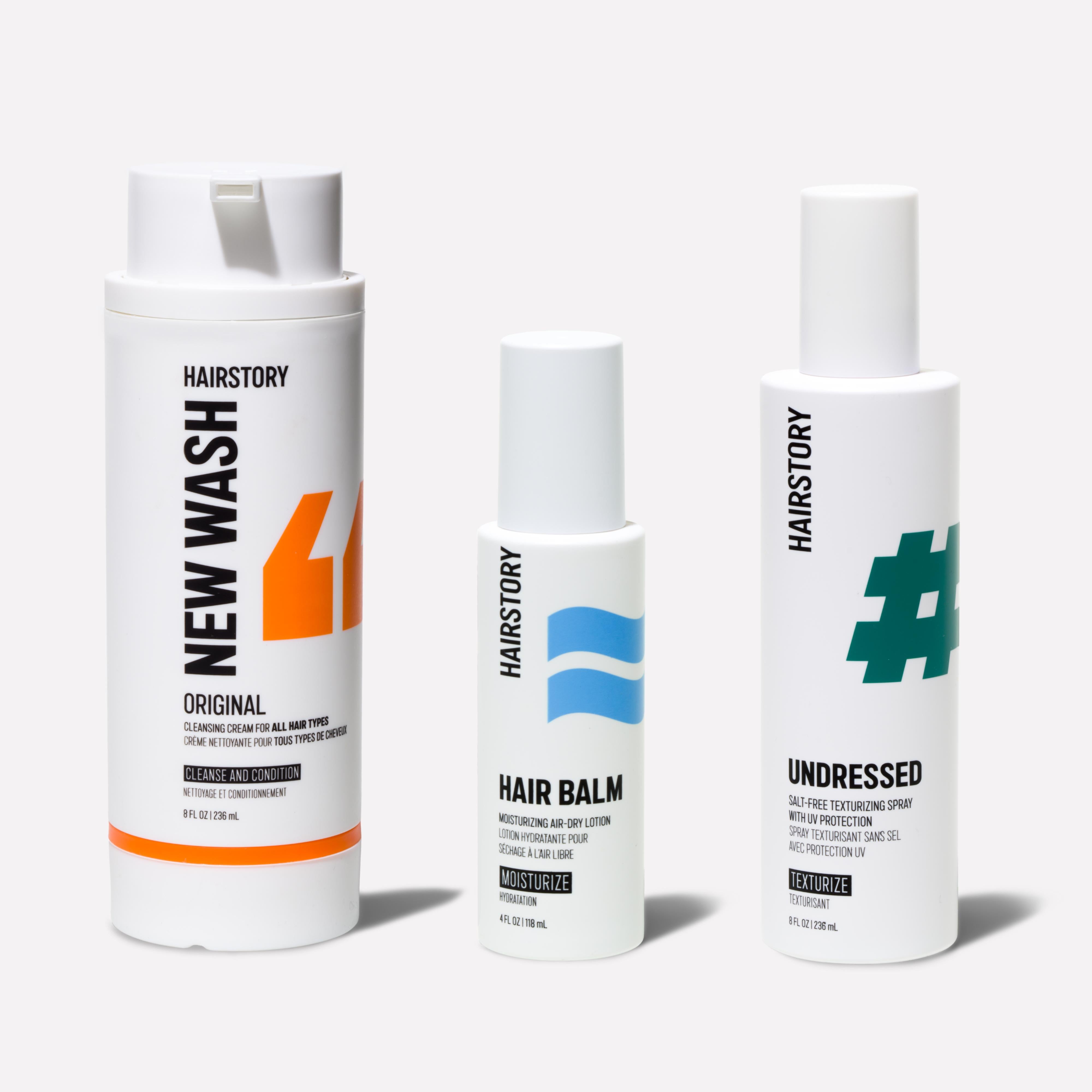
Yes, and this is one of the challenges we faced when designing New Wash. We wanted to look for powerful cleansing ingredients that wouldn’t strip hair of it’s natural oils or cause irritation.
Essential Oils
Essential oils are multitasking ingredients that are essentially plant extracts in a concentrated form. They’re widely known for their mood-altering aromatics but perhaps less well known for their healing properties including antimicrobial, cleansing, scalp-stimulating, calming and more. When used safely, essential oils are great non-detergent alternatives to cleansing hair. Here is a look at a few essential oils that are helpful to the hair and scalp.
Peppermint Oil
Zingy and stimulating, peppermint oil is known for its vasodilation abilities—expanding the capillaries which help improve blood flow. This is crucial for delivering essential nutrients to the hair follicles which promotes healthy scalp and hair growth. It’s also why many headache sufferers turn to this oil when they’re facing a migraine. Peppermint oil is also antimicrobial and anti-inflammatory, this means it is effective at preventing and relieving itchy or burning scalp, dandruff and dermatitis.
Evening Primrose Oil
This powerhouse essential oil works to soothe and moisturize the skin, scalp, and hair while enhancing elasticity. It is rich in Omega-6 fatty acids which helps with combat inflammation, promote hair growth and nourish the scalp. Evening Primrose Oil also contains stearic acid which has exceptional cleansing properties that work to remove dirt, sweat, and oil.
Sunflower Seed Oil
Not just for cooking, sunflower seed oil is starting to become a popular ingredient in hair care products. Its antioxidant-rich properties make it a great option for dull, dry hair. Packed with vitamin E and oleic acid, sunflower seed oil can help stop hair breakage and help hair hold onto moisture. It also has anti-inflammatory properties which can help relieve a dry, itchy scalp.
Fatty Alcohols
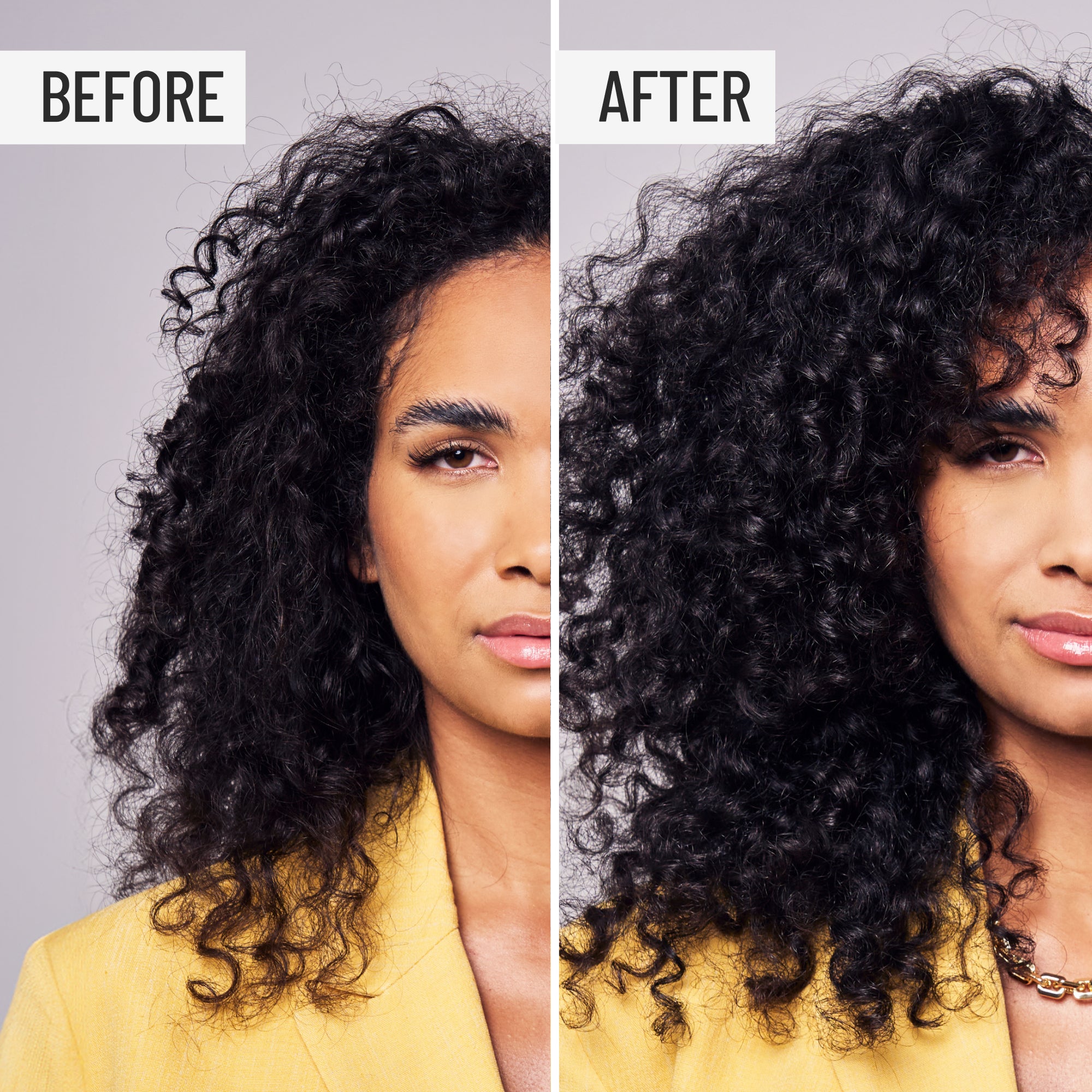
When it comes to alcohol, most of us know it’s drying and generally not good for your hair. But there is more than one type of alcohol, and in this case, fatty alcohols are the answer. They are commonly derived from natural sources such as vegetable oil. Fatty alcohols have the opposite effect and are able to provide hydrating properties which absorb and lock in moisture and keep hair from drying out. Examples of fatty alcohols include: Cetyl, Stearyl and Cetearyl which are derived from plants. They each offer unique, good-for-your-hair benefits that support conditioning your hair for soft, bouncy hair. The overall harshness of detergents is, as mentioned before, why we wanted to create a new solution to washing and cleansing hair. The vicious cycle of sebum overproduction ends now. New Wash features modern ingredients that are just as effective in cleaning your hair. We want to challenge the status quo and encourage you to rethink everything you know about traditional shampoos and conditioners. It’s time to ditch your old wash routine and discover your healthiest hair yet. No matter your hair type, New Wash will transform your hair leaving it looking healthy, hydrated and balanced.
The overall harshness of detergents is, as mentioned before, why we wanted to create a new solution to washing and cleansing hair. The vicious cycle of sebum overproduction ends now. New Wash features modern ingredients that are just as effective in cleaning your hair. We want to challenge the status quo and encourage you to rethink everything you know about traditional shampoos and conditioners. It’s time to ditch your old wash routine and discover your healthiest hair yet. No matter your hair type, New Wash will transform your hair leaving it looking healthy, hydrated and balanced.
RETHINK ABOUT WHAT YOU PUT INTO YOU HAIR
Now that you have all the information about detergents and why you need to avoid them, start looking into a product that contains essential oils and natural ingredients. Not only does New Wash cleanse your hair, but it is a detergent-free shampoo that gives you a healthy and balanced scalp without the need of a conditioner!
Sources:
Paritosh, Raj. “Types of Laundry Detergent.” Top 10 Gears. 8 Dec. 2020, URL
Draelos, Zoe A. “Essentials of Hair Care often Neglected: Hair Cleansing.” NCBI. Jan-Jun 2010, URL
“10 Different Types of Detergents & Other Cleaning Products for Clothes.” Sew Guide, URL