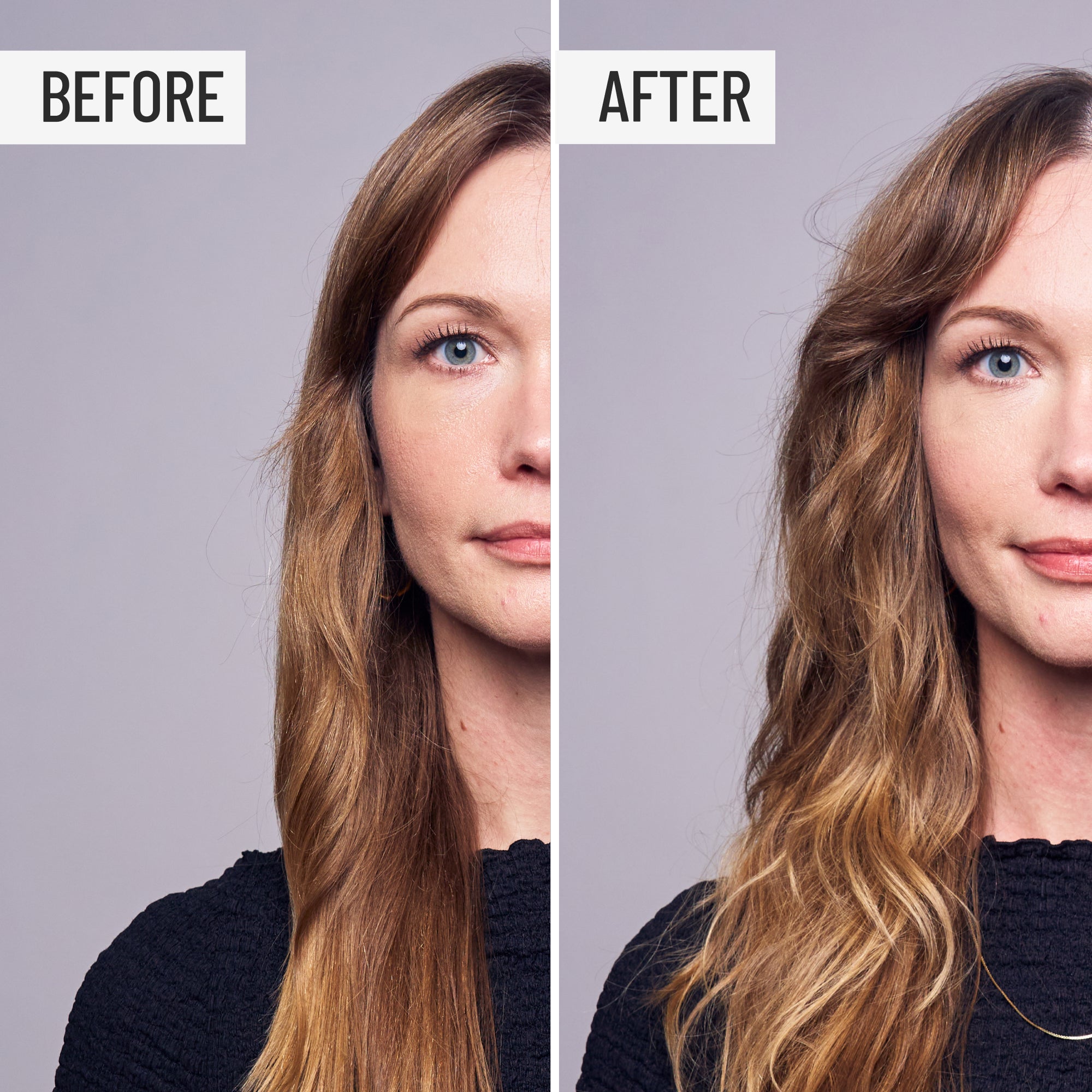
Who Benefits from Weekly Washing
Weekly washing is most commonly practiced by people with coily, coarse, dry, or high-porosity hair, all of which share a need to retain moisture over extended periods and do not benefit from the scalp disruption that more frequent washing creates. It is also common among people who use protective styles, where the hair is tucked away and less exposed to environmental factors that would otherwise accelerate the need to wash.
Athletes and people with active lifestyles who might expect to need more frequent washing sometimes find that weekly washing works well when combined with between-wash scalp care, because it is not the scalp that needs daily attention but the sense of cleanliness that a different product approach can address without a full wash.
For any hair type, washing less frequently is often the eventual outcome of switching to a gentler cleanser. When the scalp is not being stripped, it does not overproduce oil, and hair genuinely stays cleaner longer. Many people arrive at a weekly washing frequency not by design but by discovering that their hair simply does not need washing more often once the sulfate cycle is broken.
Why the Wash Day Formula Matters More at Weekly Frequency
At daily or every-other-day washing frequency, a suboptimal formula causes damage that is partially offset by the fact that the hair will be washed again soon. At weekly frequency, the formula used on wash day sets the conditions the hair will live in for the next six days. A stripping wash depletes moisture that the hair then spends the entire week without. A well-formulated wash that cleanses and conditions thoroughly creates a foundation the hair can build on rather than recover from.
This is the central argument for a sulfate-free, silicone-free formula at weekly washing frequency: the cost of getting it wrong is higher, and the benefit of getting it right extends across more days.
New Wash (Rich) for Weekly Washing
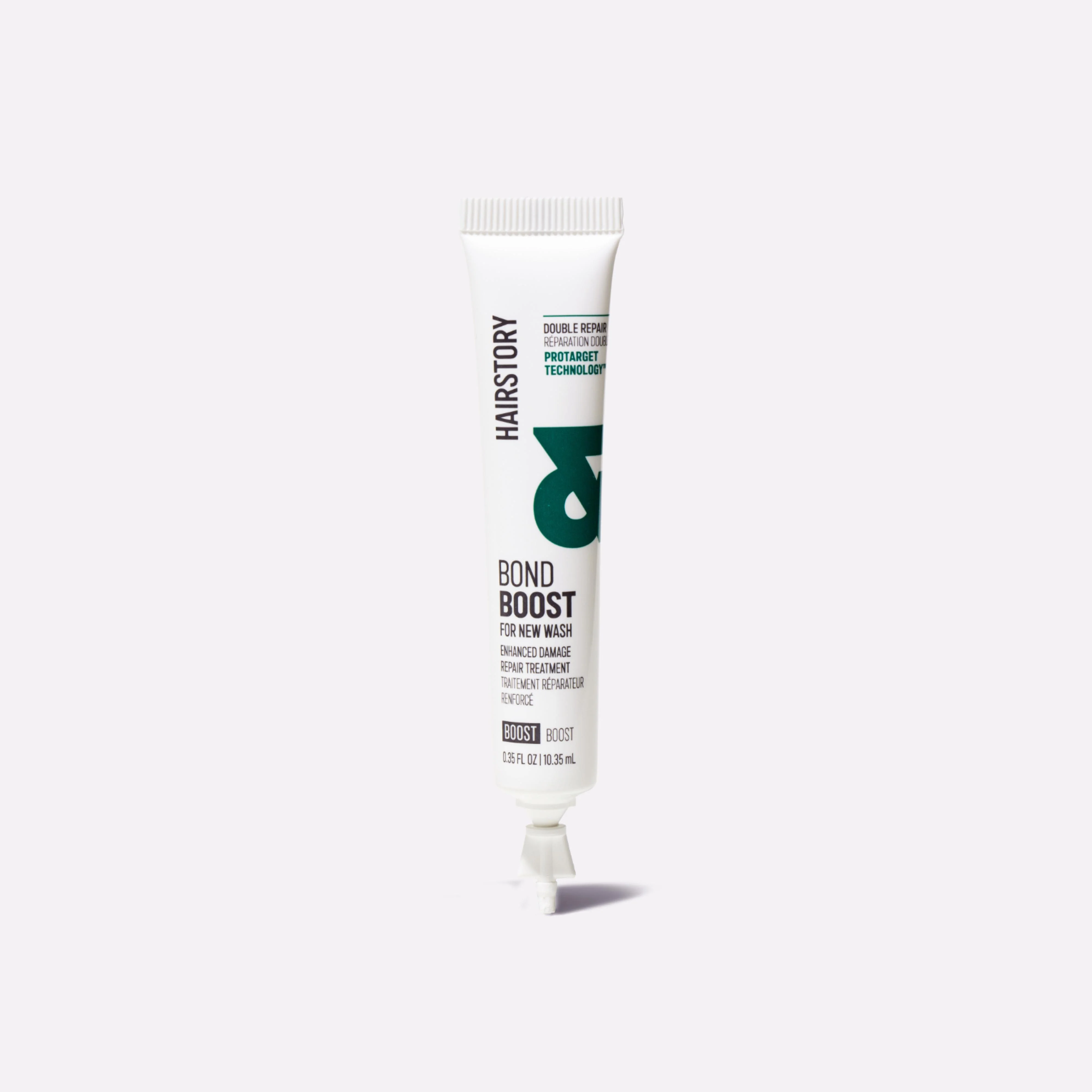
New Wash (Rich) is the natural anchor of a weekly washing routine for most hair types that benefit from this frequency. As Hairstory's most emollient cleansing conditioner formula, it delivers the intensive conditioning that dry, coily, and high-porosity hair needs from a single wash that must sustain moisture retention through the week. Applied generously to thoroughly saturated hair and worked through in sections, it cleanses effectively while infusing the strand with the moisture and emollient conditioning that extends suppleness and softness well beyond wash day.
The dwell time is particularly important at weekly washing frequency. Allowing New Wash Rich two to three minutes on the hair before rinsing gives the conditioning agents maximum time to penetrate the strand, which is especially significant for coarse or resistant hair types that require more time for ingredients to move through the cuticle.
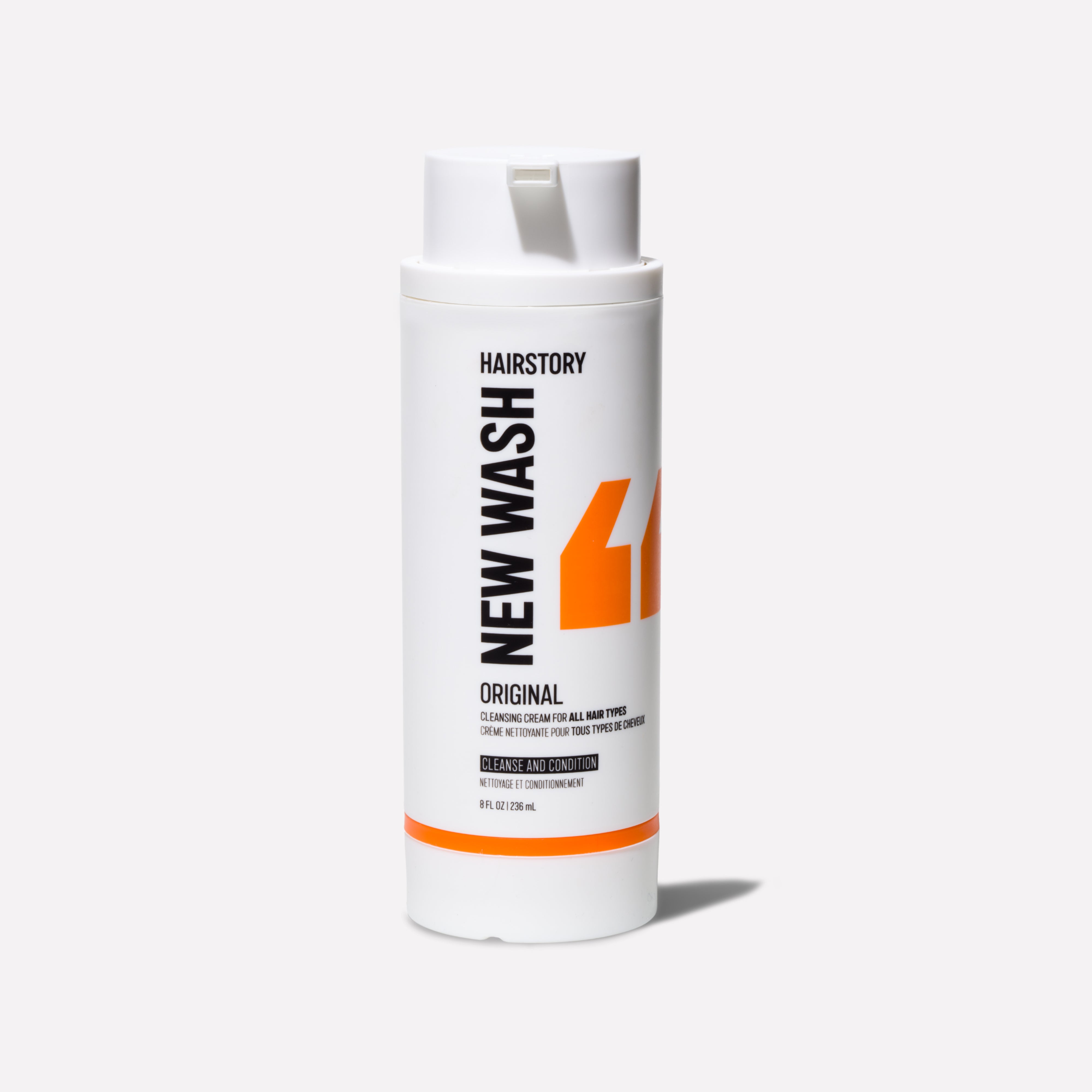
For hair that is less prone to dryness but still benefits from weekly washing, New Wash (Original) provides thorough cleansing and balanced conditioning without the fuller emollient profile of Rich. It is appropriate for finer hair types that wash weekly by preference or scalp behavior rather than by moisture need.
New Wash (Deep Clean) is particularly relevant for weekly washers who use styling products throughout the week. At weekly frequency, product from styling creams, oils, and finishing sprays accumulates over seven days before being washed out. Used as the wash on alternating wash days, or once a month when buildup is significant, New Wash Deep Clean clears that accumulated residue so that New Wash Rich can work from a clean surface rather than through a week's worth of product layering.
Wash Day as a Complete Ritual
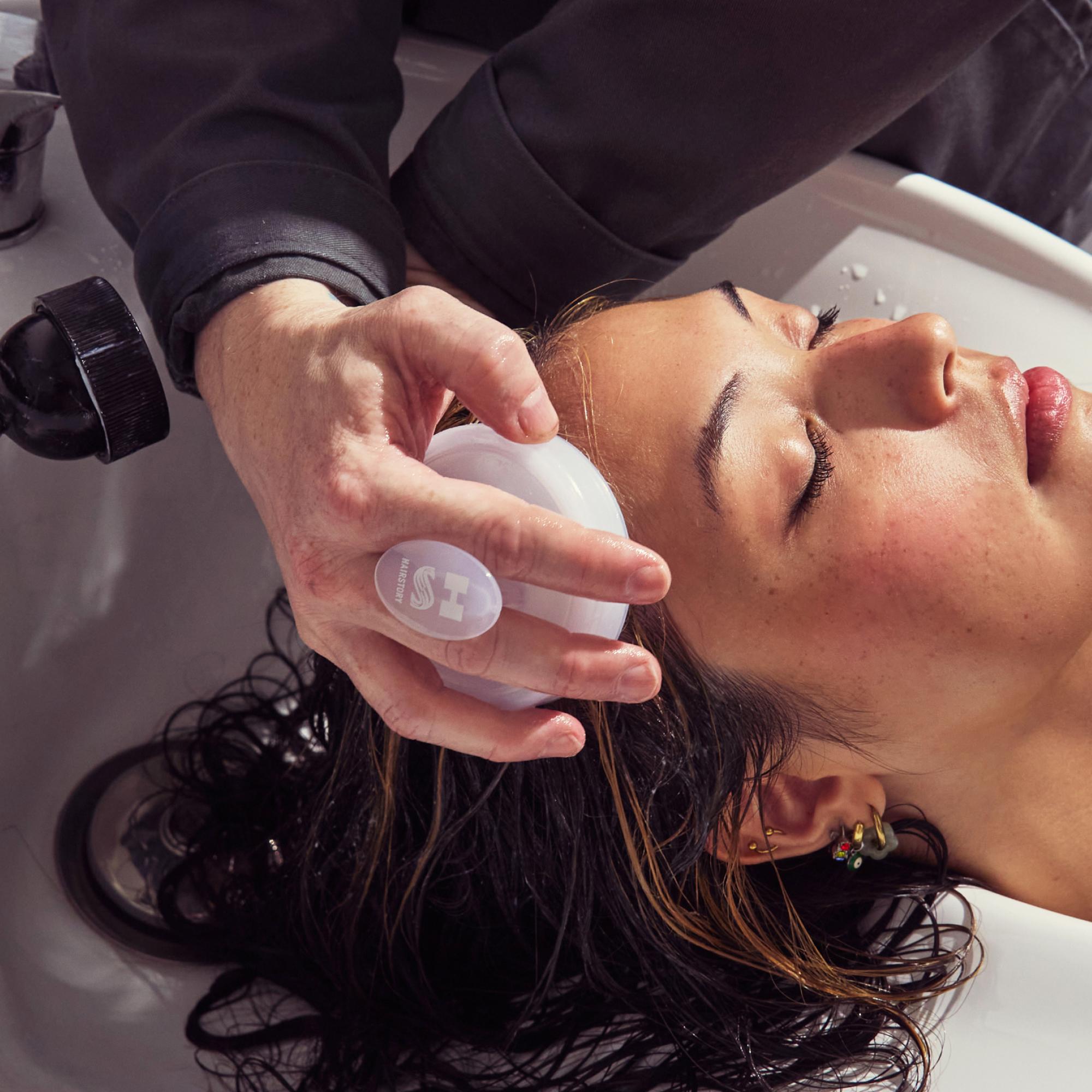
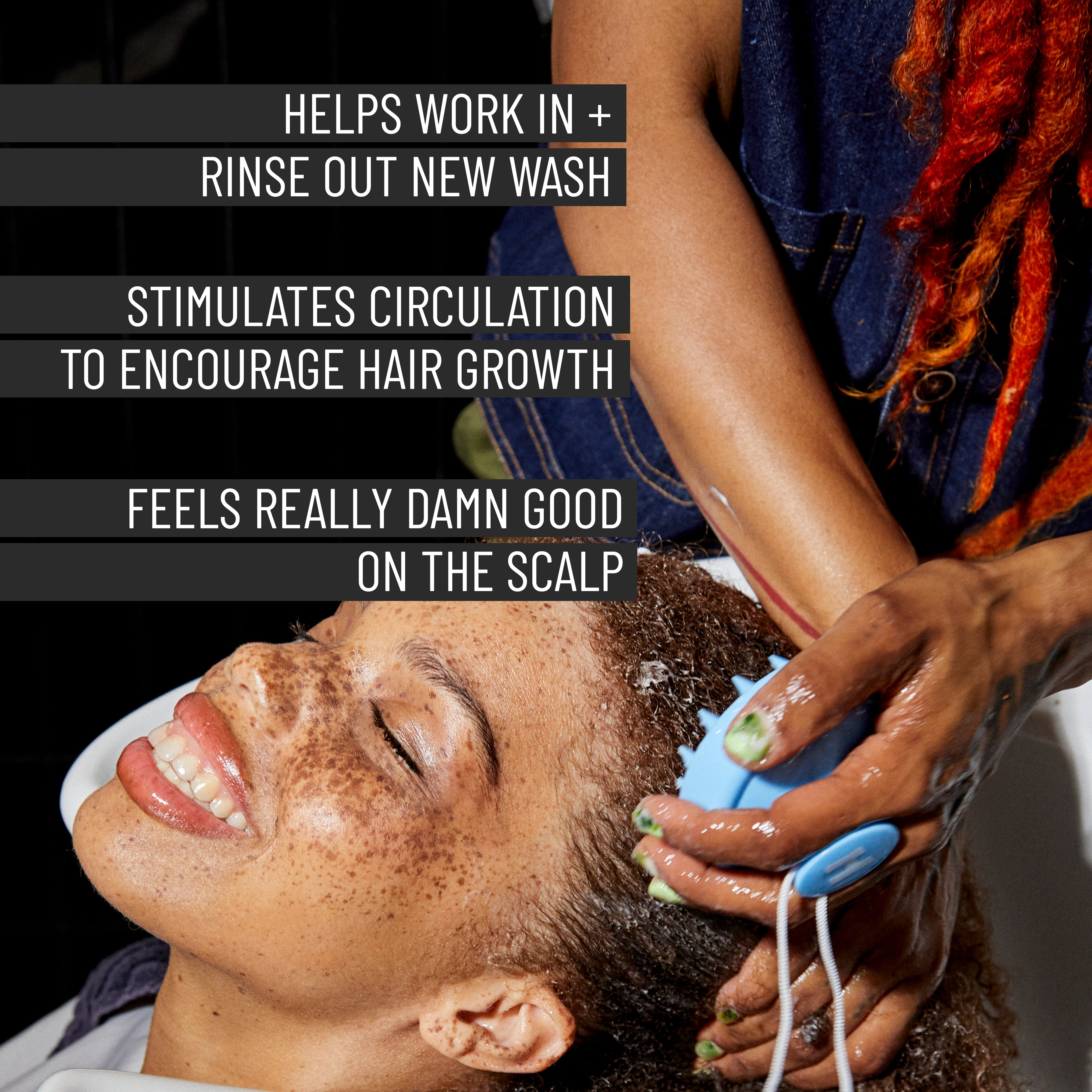
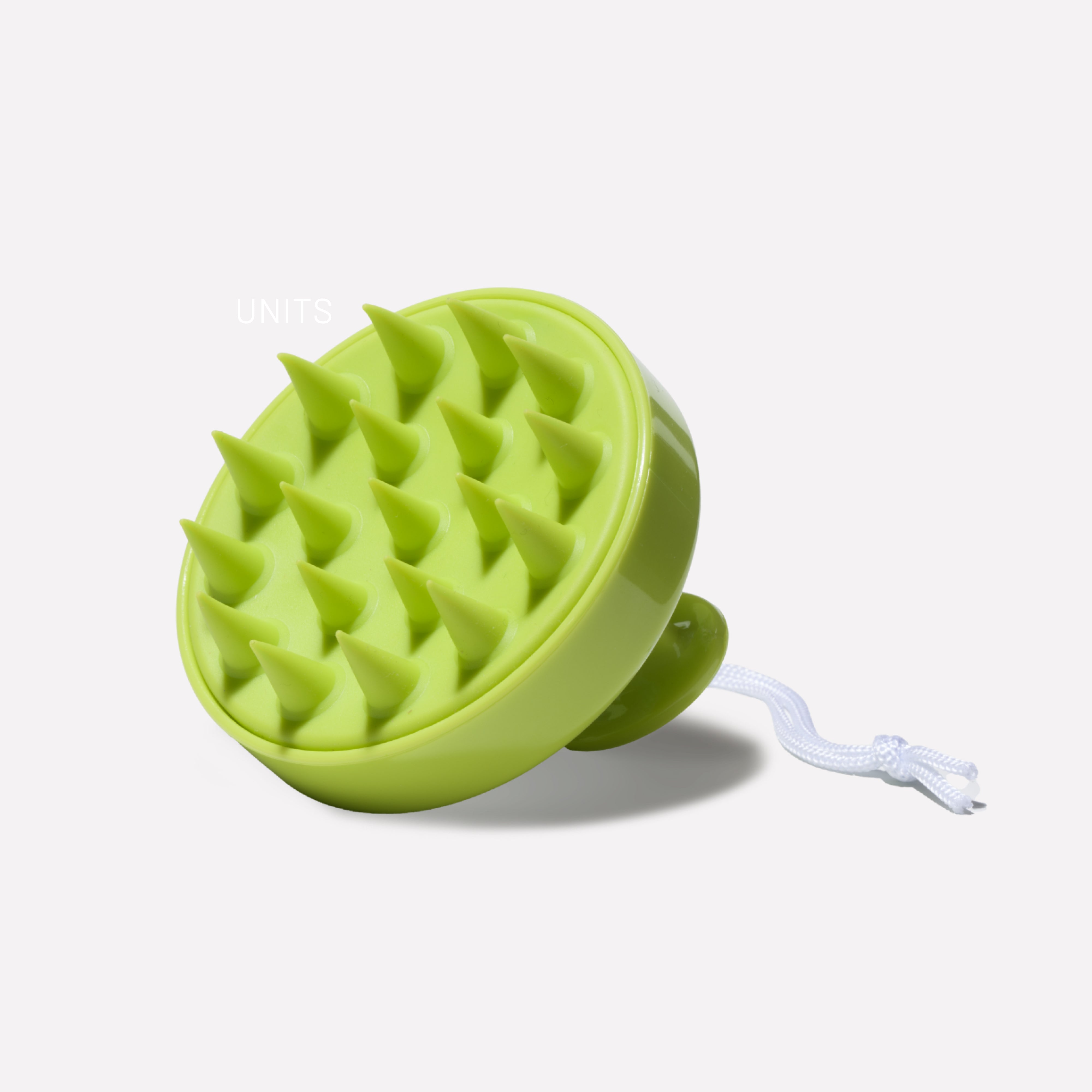
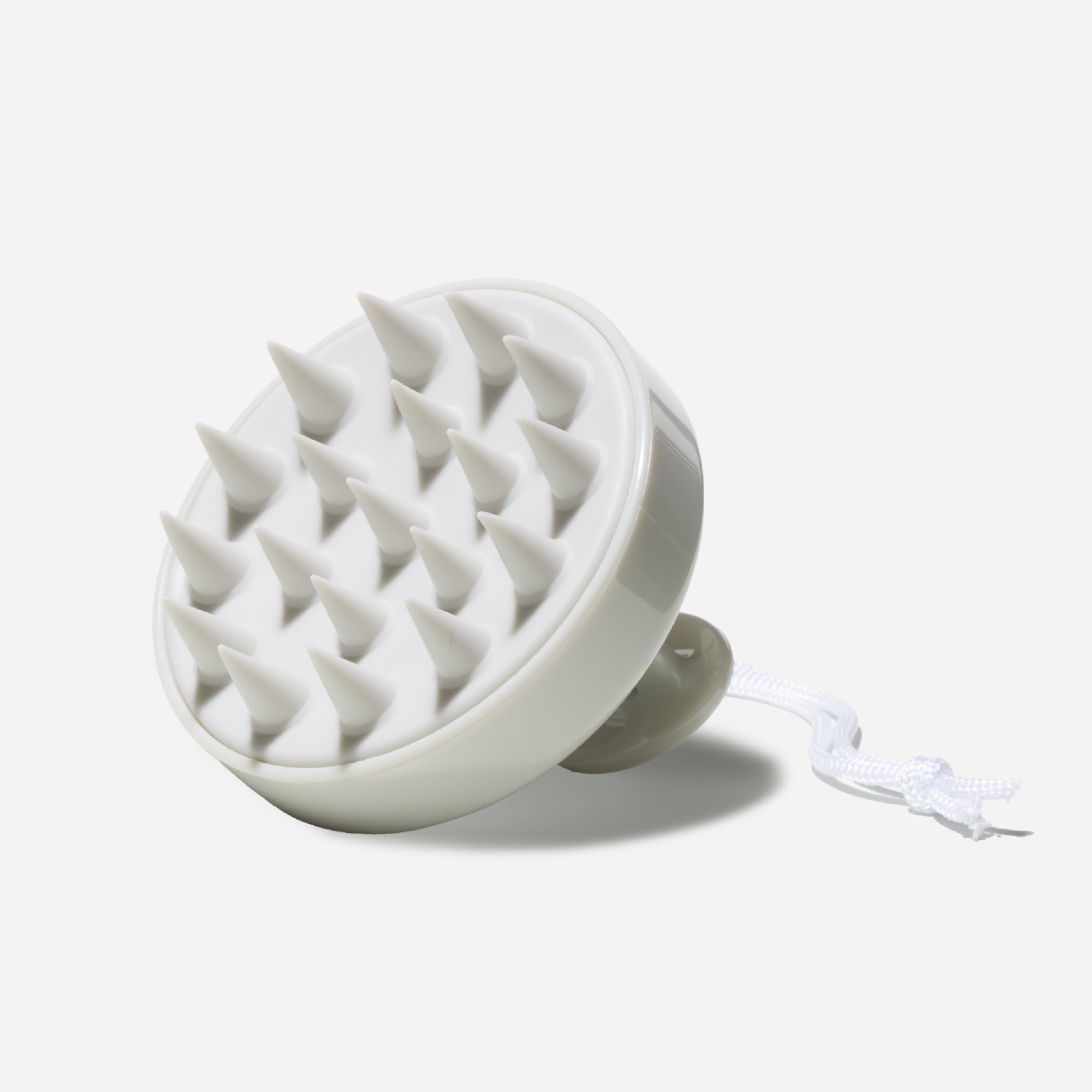
At weekly frequency, wash day naturally becomes a more thorough, intentional process rather than a quick daily habit. This is an opportunity rather than an inconvenience. Weekly washers can give their hair and scalp the full attention they deserve: thorough saturation, careful sectioning for even New Wash application, extended dwell time, scalp massage during the wash to stimulate circulation and distribute sebum, cool water rinsing to smooth the cuticle, and deliberate moisture layering before styling.
Hair Balm, applied immediately to soaking wet hair after rinsing New Wash Rich, is the critical next step for weekly washers. Applied generously from mid-length to ends and worked through in sections while the hair is still dripping, it seals moisture into the strand before drying begins and provides the slip needed for detangling without breakage. For coily and curly weekly washers, Hair Balm applied this way also supports curl and coil definition that carries through the week.
Heat Protection on Wash Day
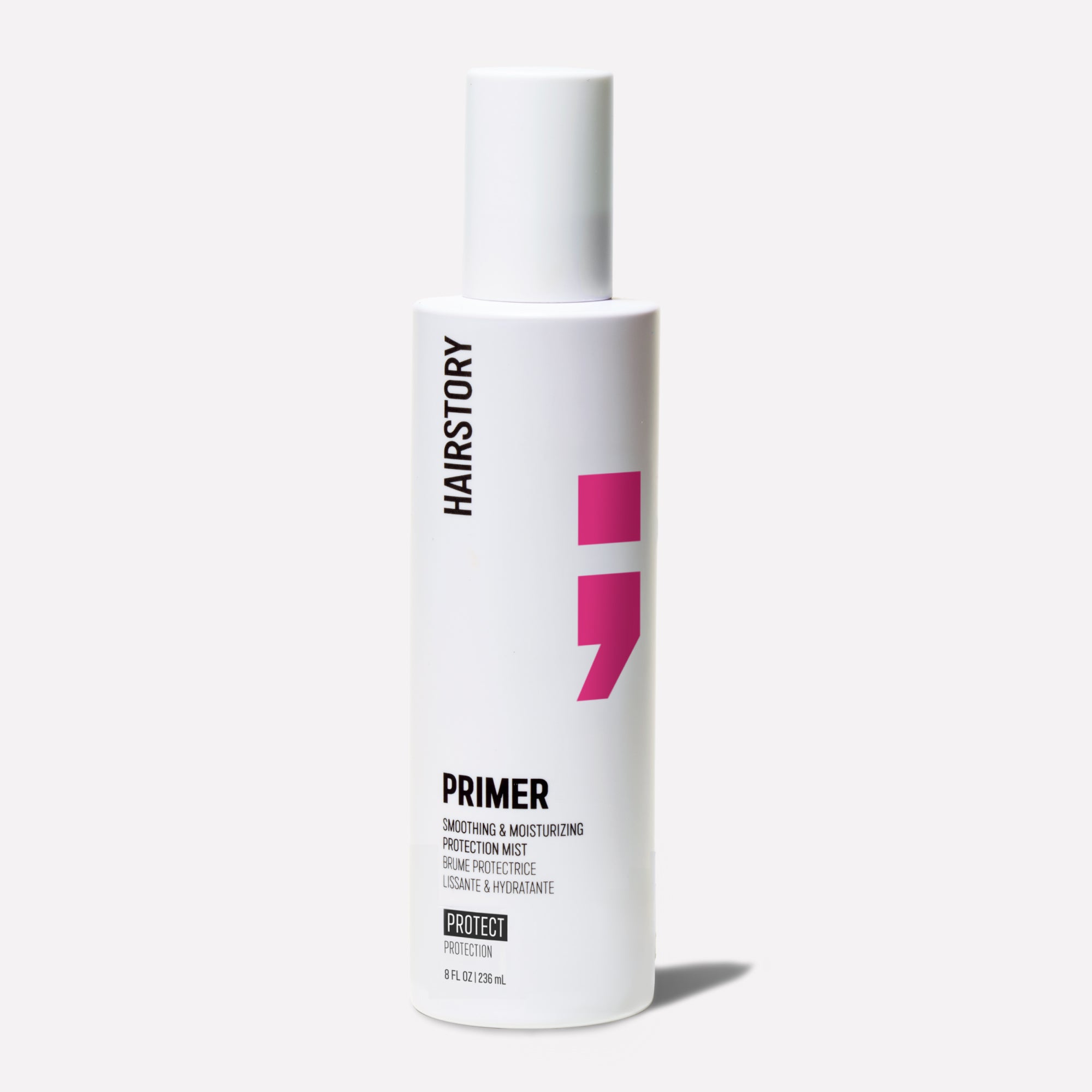
For weekly washers who blow dry or use heat tools on wash day, protecting the hair from heat is particularly important because the heat styling done weekly represents the majority of the hair's total heat exposure. Primer, applied to damp hair before any heat tool, reduces the temperature and time required to achieve the finished result, which directly reduces cumulative heat damage at weekly intervals.
Between-Wash Maintenance: Days Two Through Seven
The between-wash routine is where weekly washing either succeeds or fails as a sustainable practice. Hair that is well-moisturized on wash day but has no maintenance strategy for the six days following will often arrive at the next wash day in compromised condition regardless of how well the wash was performed.
Hair Oil is the most versatile between-wash tool. Applied in small amounts to dry hair on non-wash days, it restores surface shine and smoothness, reduces frizz and static as the week progresses, and provides a light barrier against humidity and environmental stress. For coily and curly weekly washers, pressing a small amount through dry coils refreshes definition and separation without the need for re-wetting.
Undressed, applied to dry hair mid-week, restores volume and texture that tends to flatten or settle as the week progresses. At the roots it addresses any oiliness or flatness, and through the lengths it refreshes movement and separation. For weekly washers who wear their hair down throughout the week, Undressed effectively extends the freshly-styled appearance of wash day by several days.
For hair that becomes noticeably dry at the lengths by mid-week, a small amount of Hair Balm pressed through dry ends restores moisture and softness without requiring a full wash. Used sparingly on dry hair, it functions as a targeted moisturizer rather than a full leave-in application.
Scalp Care Between Washes
For weekly washers, scalp health between washes is an important consideration. A clean scalp after a good New Wash wash day does not typically require intervention during the week. However, for those who find the scalp becomes uncomfortable or itchy between washes, a small amount of Hair Oil applied directly to the scalp in targeted areas and gently massaged in supports moisture balance and provides relief without the need for an early wash.
A Complete Weekly Washing Routine
On wash day, saturate hair thoroughly and apply New Wash Rich generously in sections, allowing three minutes of dwell time and massaging the scalp before rinsing with cool water. Apply Hair Balm immediately to soaking wet hair and distribute thoroughly before styling. Apply Primer before blow drying or heat styling. Finish with Hair Oil for shine or Undressed for texture.
Between washes, use Hair Oil daily or as needed for shine and frizz control, Undressed mid-week for volume and texture refresh, and Hair Balm on dry ends if moisture is needed. Every month, substitute New Wash Deep Clean on wash day to clear accumulated styling residue before returning to Rich.
Weekly washing works when the wash is thorough, the formula is right, and the days between it are tended to. With that combination, one wash is more than enough.