What Causes Oily Hair
Oil on the scalp and hair comes from the sebaceous glands, small glands attached to each hair follicle that produce sebum, a natural lipid mixture that moisturizes the scalp skin, protects the hair shaft, and provides a mild antimicrobial barrier. Sebum production is natural, necessary, and healthy. The problem is not sebum. It is the rate and volume of production being artificially inflated.
Genetics play a role in baseline sebum production. Fine and straight hair types show oiliness faster because natural oils travel quickly down the straight shaft and because fine strands are more easily weighed down by smaller amounts of oil. Hormonal fluctuations influence sebaceous activity. Heat and humidity increase production. These factors are real but, for most people with chronically oily hair, they are not the primary driver.
The primary driver is the haircare routine itself.
Why Conventional Shampoo Creates the Oily Hair It Claims to Treat
The sebaceous glands regulate their output in response to the oil levels they detect on the scalp surface. When the scalp is well-oiled, production slows. When the scalp is stripped of its oil, production accelerates to restore the protective barrier. This is the same feedback mechanism that governs oil production in facial skin and for the same evolutionary reasons.
Sulfate shampoos strip the scalp thoroughly with every wash. The scalp detects the loss, interprets it as a threat to the skin barrier, and increases sebum production to compensate. If the scalp is stripped again before it has re-established balance, it escalates further. Over months and years of regular sulfate washing, the scalp can be conditioned into a state of chronic overproduction: generating oil at a rate calibrated to daily stripping, which means generating far more than it would if the stripping had never been happening.
This is the oily hair cycle. The shampoo marketed as solving oily hair is generating the excess oil, and using more of it reinforces the very response it is trying to suppress.
New Wash (Original) and the Scalp Reset
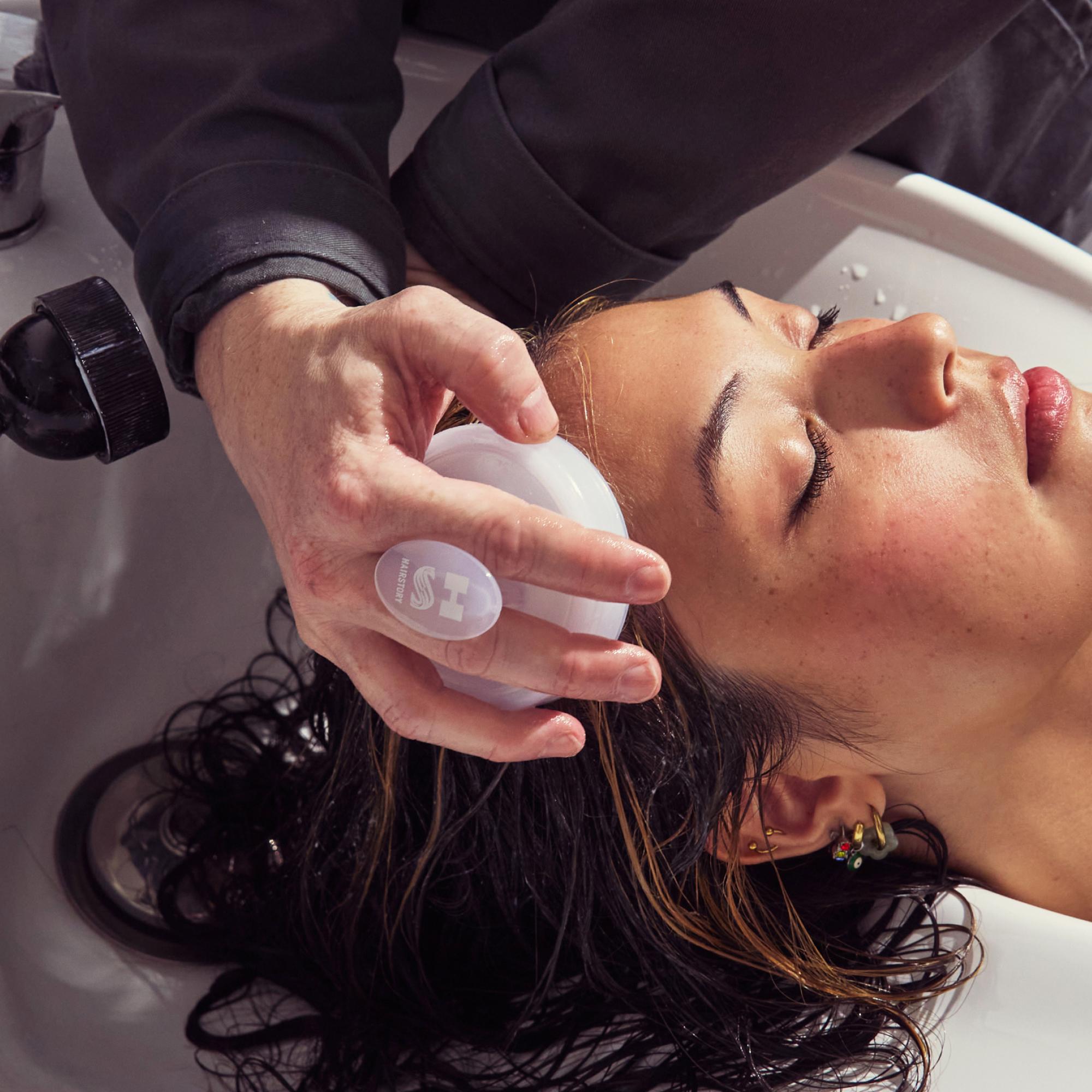
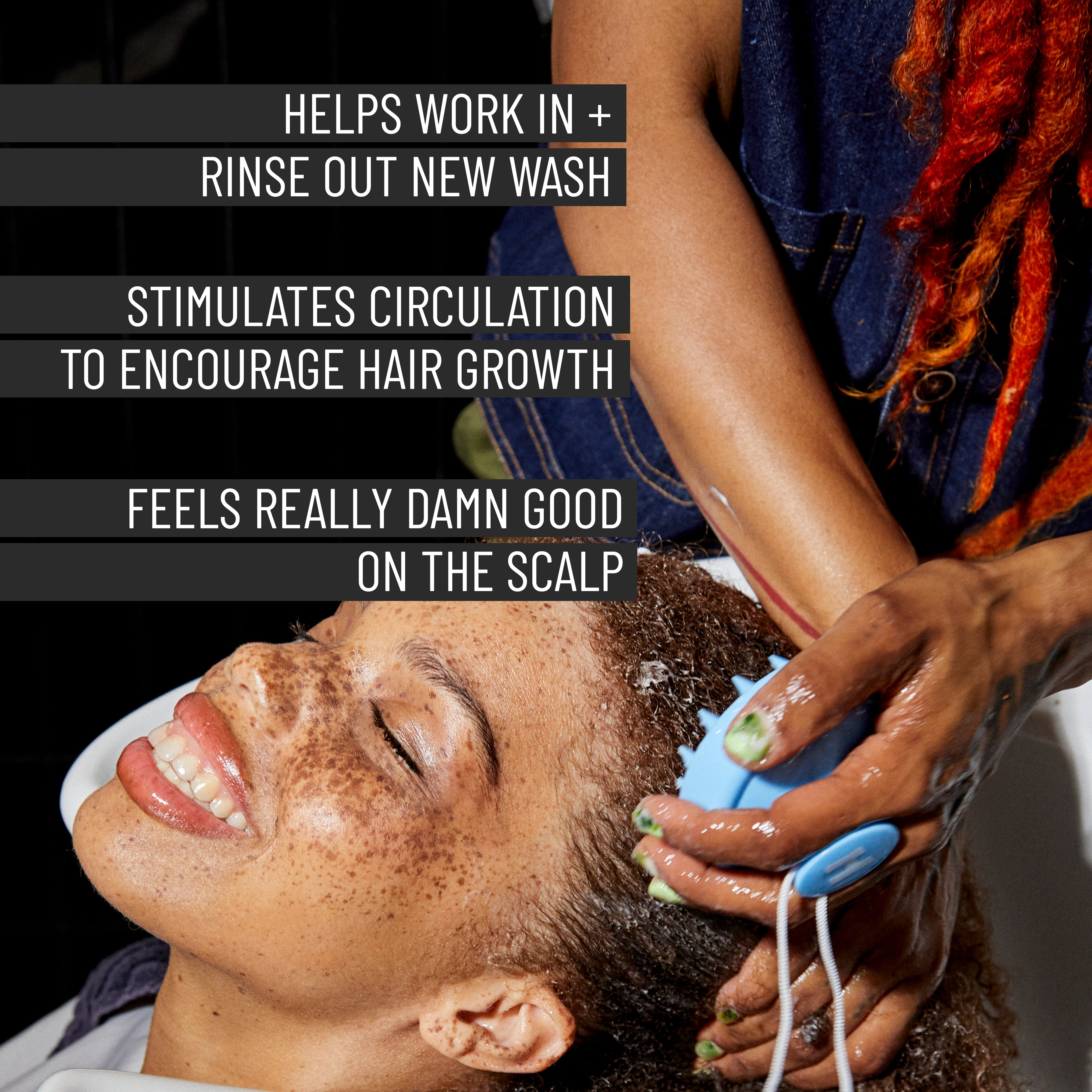
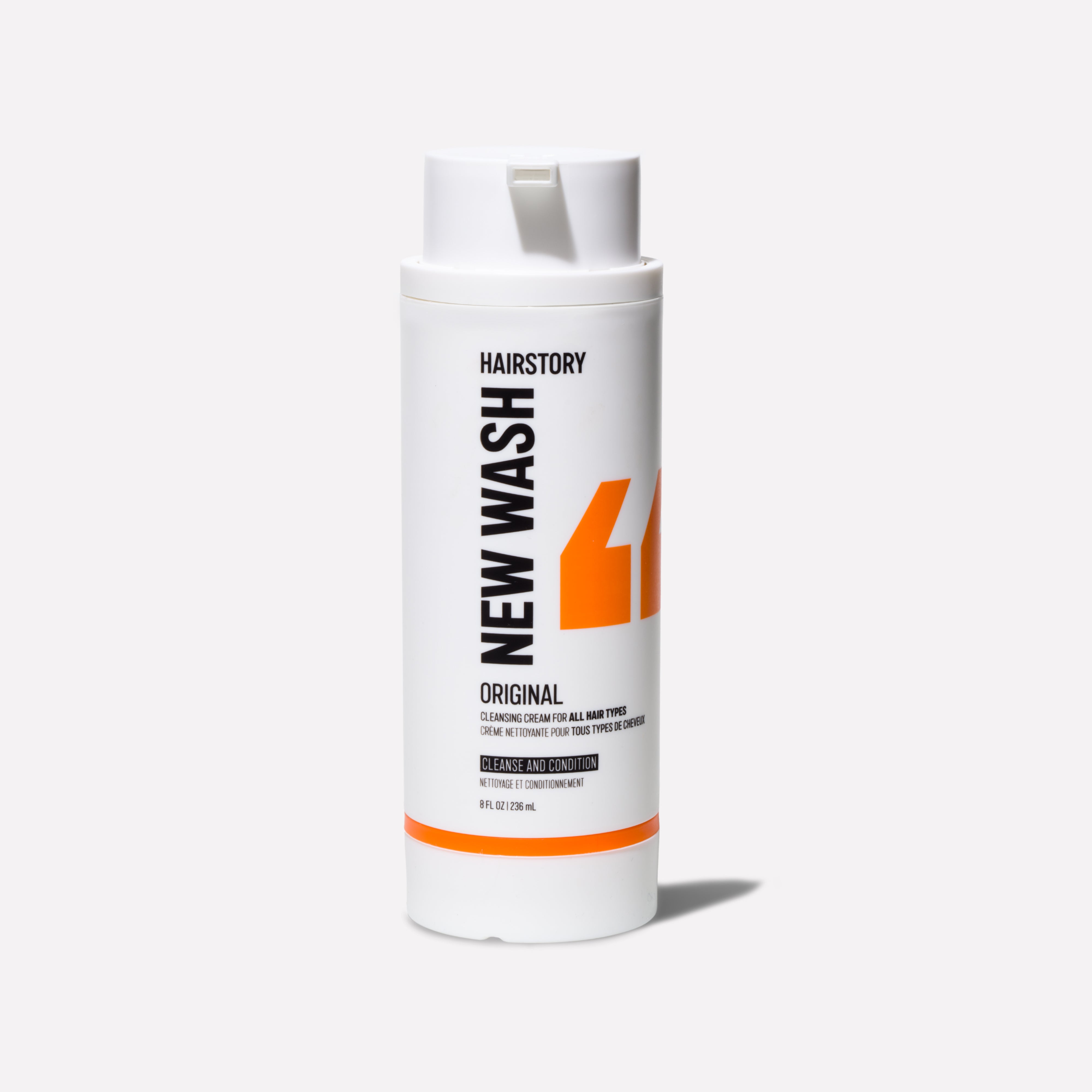
New Wash (Original) breaks the oily hair cycle by removing the stimulus driving it. Because it cleanses with gentle, plant-derived surfactants rather than aggressive sulfate detergents, it removes excess oil and product residue without stripping the scalp's moisture barrier or triggering the compensatory overproduction response.
Without the stripping signal, the scalp begins to recalibrate. Oil production slows toward the rate the scalp actually needs to function rather than the inflated rate it developed to compensate for repeated stripping. Over two to four weeks of consistent New Wash use, most people with oily hair find that their hair stays cleaner significantly longer between washes, and that the urgent daily washing schedule they had been on becomes unnecessary.
New Wash Original's balanced emollient profile is the right choice for oily hair precisely because it is the lightest of the three available New Wash formulas. It conditions effectively without adding the heavier emollient content that, while appropriate for dry or coarse hair, would be unnecessary and potentially counterproductive for scalps already producing adequate oil.
For oily scalp with notably dry or damaged ends, a split application approach works well: New Wash Original focused at and massaged through the scalp, with a small amount of New Wash (Rich) applied only through the mid-lengths and ends where moisture is genuinely needed. This addresses both ends of the oily roots, dry ends pattern without over-conditioning the scalp.
New Wash (Deep Clean) is useful for oily hair on a periodic basis, particularly when transitioning from conventional shampoo and conditioner. Silicone buildup from previous products can contribute to scalp congestion and the sensation of greasiness even after switching to a gentler cleanser. A Deep Clean wash at the beginning of the transition and every few weeks thereafter as needed clears that residue and allows the scalp reset to proceed more efficiently.
The Transition Period
The oily hair transition is the most challenging of any hair type switch, and understanding it is critical to getting through it successfully. The scalp that has been conditioned to overproduce in response to daily stripping will not immediately reduce output when the stripping stops. For the first one to three weeks of washing with New Wash, hair may feel or look oilier than expected, or oilier than usual. This is the scalp continuing its established production rate in the absence of the stripping that maintained it.
It resolves. The scalp is not generating oil for no reason. It is generating oil because it has been conditioned to expect stripping, and when stripping does not occur, the signal to produce diminishes. Most people who commit through the transition period find that the other side of it is dramatically different from what they have been managing, hair that stays genuinely clean for two to three days rather than requiring daily washing to be presentable.
Between-Wash Management
For people in the transition period or for those who simply want to extend time between washes, Undressed is the most useful between-wash tool for oily hair. Applied to dry hair at the roots, it absorbs surface oil and lifts the root area, restoring volume and freshness without the powdery residue or scalp congestion that conventional dry shampoos create with frequent use. Through the lengths, it adds texture and movement that counteracts the flat, heavy appearance that scalp oil produces as it travels down the shaft.
Unlike aerosol dry shampoos, Undressed does not deposit the starch-based compounds that accumulate at the scalp over time and become their own source of irritation and greasiness if not thoroughly removed at the next wash.
Product Choices That Support an Oil-Balanced Scalp
Beyond the cleanser, the choices made across a haircare routine affect how quickly oiliness returns. Silicone-based products coat the scalp as well as the shaft, contributing to congestion and the sensation of heaviness and greasiness even when the scalp's actual sebum output is normal. Hairstory's full line is silicone-free, which means no product in the routine contributes to the coating that mimics and worsens the appearance of oiliness.
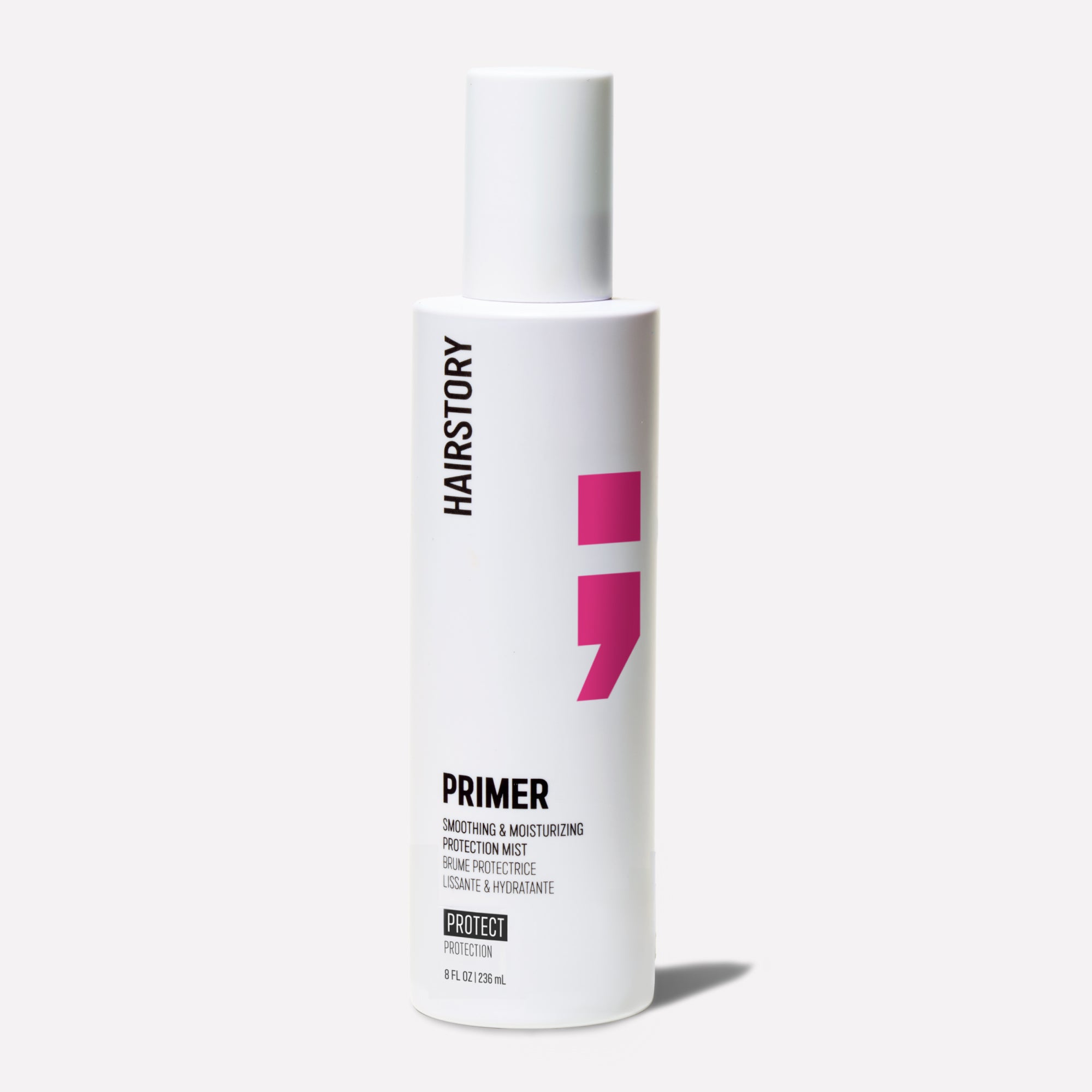
Hair Balm, for oily hair, should be used sparingly and applied only to the mid-lengths and ends, never at the root. Primerprotects against heat before blow drying without silicone-based residue. Hair Oil, if used at all on oily hair types, should be a single drop on dry ends only, pressed between the palms before applying, and never applied near the scalp.
A Routine for Oily Hair with Hairstory
Wash with New Wash Original, focusing application and massage at the scalp and allowing the formula to work through the lengths during rinse. Allow two minutes before rinsing thoroughly. On damp hair, apply a very small amount of Hair Balm to mid-lengths and ends only. Apply Primer before blow drying. Between washes, apply Undressed at the root to absorb oil and restore volume, and through the lengths for texture.
During the first two to four weeks, the temptation to revert to daily sulfate washing will be real. The scalp needs time to recalibrate. Continuing through that period is the entire intervention. The scalp will not overproduce indefinitely in the absence of the signal driving the overproduction. When it stops, the oily hair that felt like an inherent characteristic reveals itself as something the routine was creating all along.