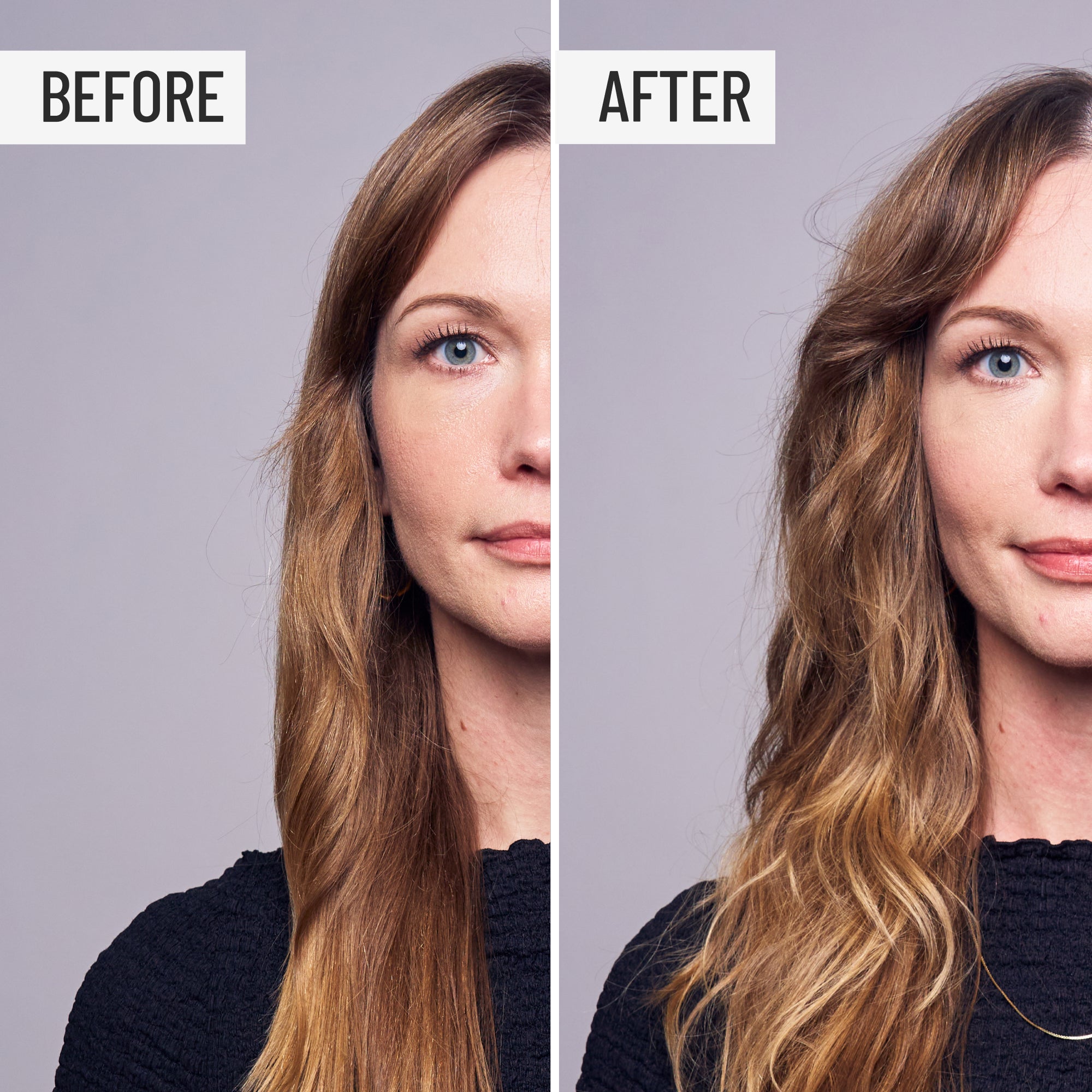
What Makes Fine Hair Different
The hair shaft is composed of three layers: the medulla at the core, the cortex that provides strength and structure, and the cuticle on the outside. In fine hair, the smaller shaft diameter means proportionally less cortex, which is where the structural proteins that give hair its tensile strength reside. Fine hair is inherently more fragile than coarser hair and more susceptible to mechanical and chemical damage.
Fine hair also has a smaller surface area per strand, which means natural oils from the scalp travel along the shaft more quickly, making fine hair prone to appearing oily at the root earlier than coarser hair would under the same conditions. At the same time, there is less cortex available to hold moisture, which means fine hair can be simultaneously greasy at the root and dry at the ends, a combination that challenges most standard haircare approaches.
Because fine strands have less mass, they respond to product weight more immediately and dramatically. An amount of conditioner that is imperceptible on coarse hair can collapse fine hair entirely, flattening it against the scalp and making it appear limp and lifeless for the rest of the day.
Breakage: The Underaddressed Fine Hair Concern
Volume is the most commonly discussed fine hair concern, but breakage deserves equal attention. The reduced cortex of fine hair means individual strands snap more easily under tension, heat, and chemical stress. This is particularly significant because many of the behaviors people adopt in response to fine hair's flatness, more frequent heat styling, aggressive brushing to add movement, tight styles to create the appearance of volume, are precisely the behaviors most likely to cause breakage.
Fine hair breakage creates shorter strands of varying lengths that contribute to the frizzy, flyaway appearance often attributed to fine hair's character. Addressing breakage through gentler cleansing, reduced heat exposure, and protective styling allows fine hair to grow longer and stronger, which itself contributes to better volume and more manageable styling.
Why the Sulfate Cycle Is Particularly Damaging for Fine Hair
Sulfate shampoos strip the hair shaft of its natural lipids and the scalp of its sebum. For fine hair, where the structural reserves are already lower, repeated stripping causes damage that accumulates faster and is more visible sooner than in coarser hair types. The reactive sebum overproduction triggered by sulfate washing is also particularly problematic for fine hair: the scalp overproduces oil to compensate for stripping, that oil travels quickly down the fine shaft to the roots, and the hair looks greasy within hours of washing, prompting more frequent washing and more damage.
The fine hair sulfate cycle is often faster and more pronounced than for other hair types, and the compounding effect of daily or near-daily sulfate washing on already fragile fine strands is one of the primary drivers of breakage and volume loss over time.
New Wash (Original) for Fine Hair
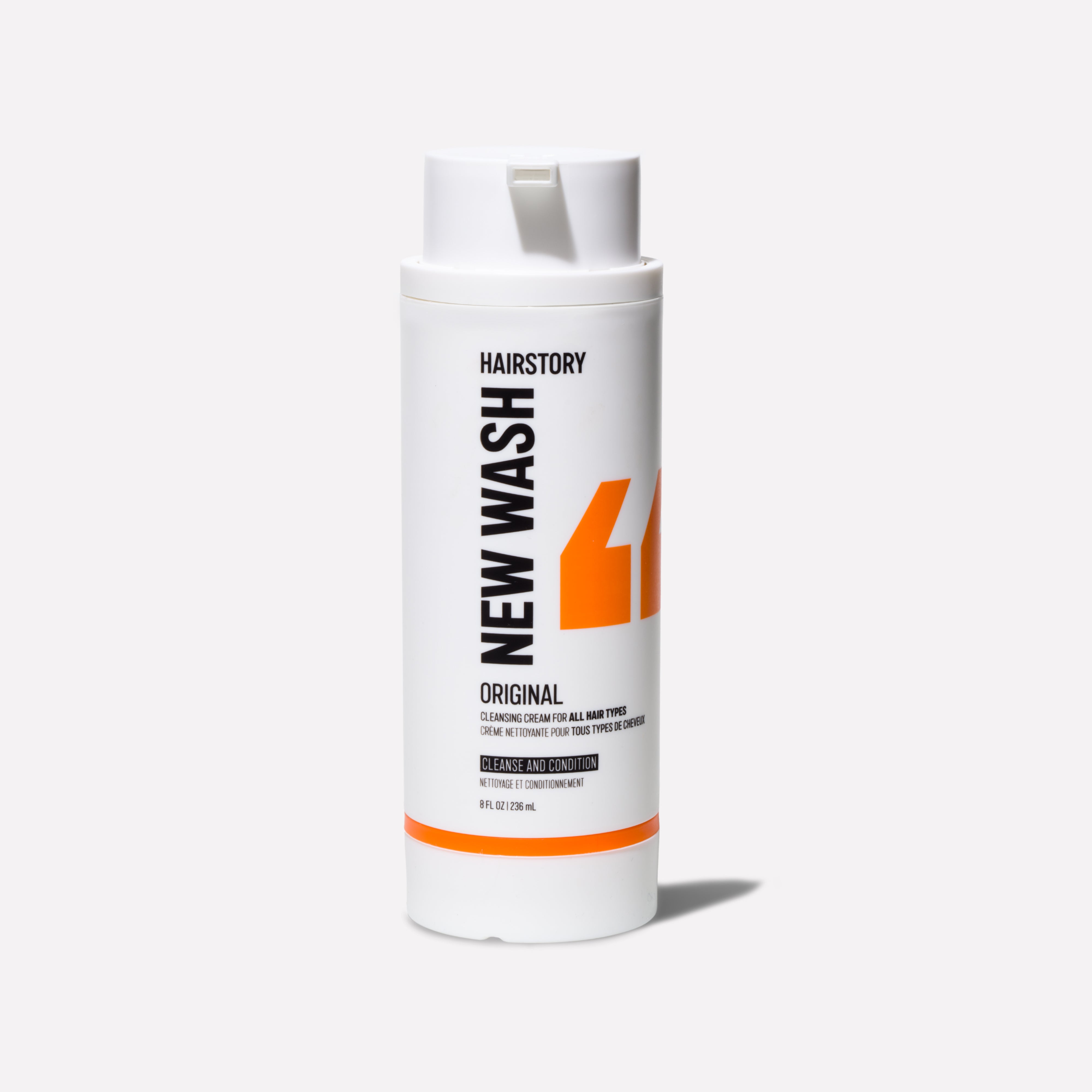
New Wash (Original) is the recommended formula for most fine hair. It provides thorough cleansing without sulfate stripping and conditions without the heavier emollients that would add weight to strands that are already sensitive to product load. Applied primarily at the scalp and worked through the lengths, it removes excess oil and buildup while leaving the hair balanced rather than stripped, allowing the scalp to begin normalizing its oil production over the first few weeks of use.
For fine hair that is also dry or color-treated at the lengths, applying a small amount of New Wash (Rich) through the mid-lengths and ends only, while using Original at the scalp, provides targeted moisture where the hair needs it without the root-area weight that Rich's fuller emollient profile would create if applied throughout. This split application approach is particularly effective for fine hair that struggles with the combination of oily roots and dry ends.
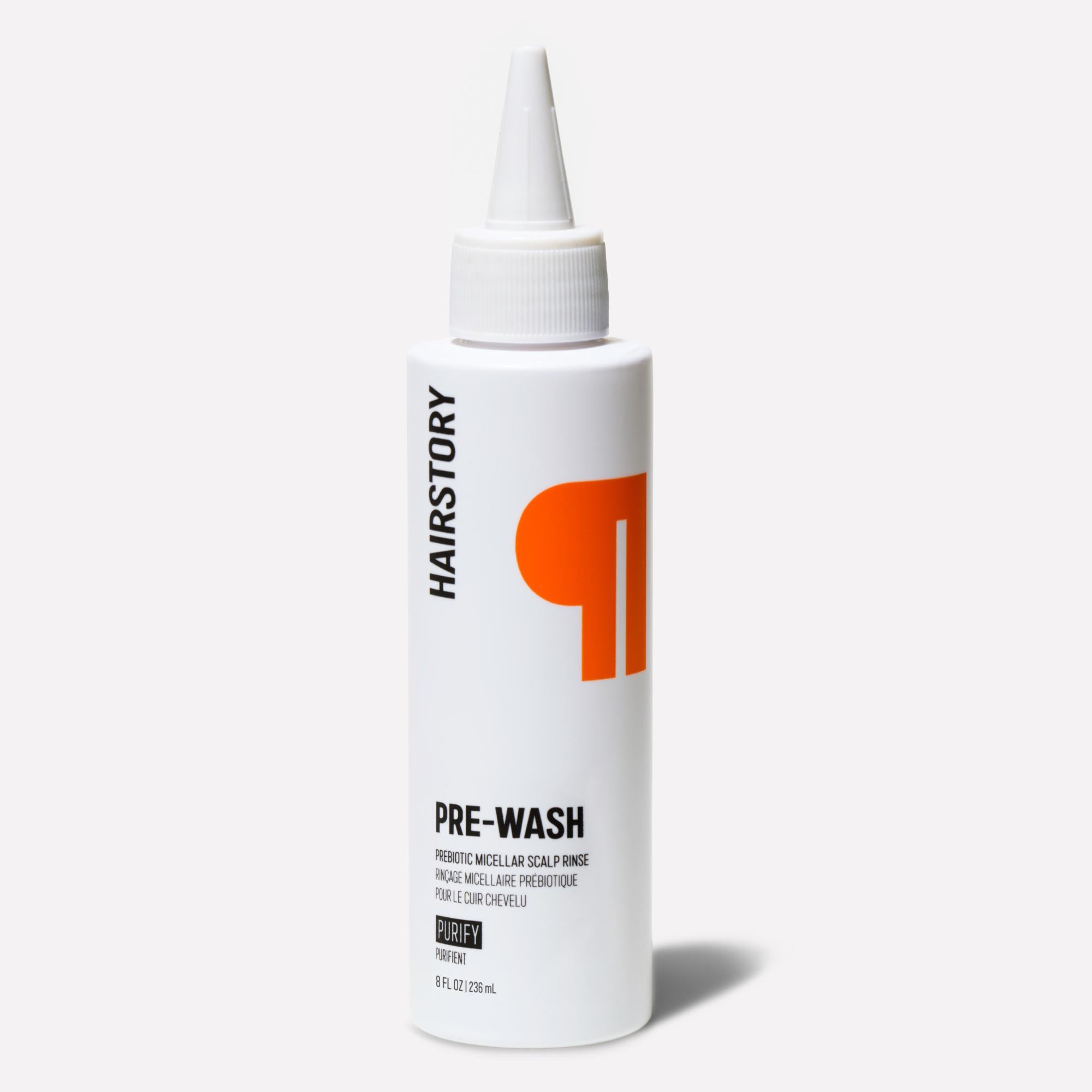
New Wash (Deep Clean) is useful for fine hair on a periodic basis, every two to three weeks, when product buildup has accumulated and is contributing to flatness and heaviness. Because fine hair shows buildup more immediately and dramatically than coarser hair, a regular reset helps maintain the volume and lightness that fine hair is capable of when unburdened.
Conditioning Fine Hair Without Weighing It Down
Fine hair needs conditioning, but the standard approach of applying conditioner from roots to ends introduces weight at exactly the wrong place. Hair Balm, used in very small amounts on the mid-lengths and ends only, addresses dryness and brittleness at the lengths without affecting the root area where volume originates. Keeping Hair Balm entirely away from the scalp and upper shaft is essential for fine hair.
The amount matters as much as the placement. A pea-sized amount for medium-length fine hair is typically sufficient. Hair Balm is silicone-free, which means it does not add the surface coating that would progressively weigh fine hair down with repeated use, but even a silicone-free leave-in applied too generously to fine hair will create noticeable heaviness.
Volume and Texture: Undressed
Undressed is the most effective styling tool for fine hair in the Hairstory line. Its lightweight dry formula adds body, texture, and separation to fine strands without the polymer-based films that most volumizing products deposit on the shaft and accumulate over time. Applied at the root on dry or nearly dry hair, it lifts fine strands away from the scalp and from each other, creating the separation that produces the appearance of volume and fullness. Through the lengths, it adds movement and texture that prevents fine hair from lying flat against itself.
Because Undressed does not contain the ingredients that contribute to the buildup cycle, it does not gradually undermine the volume it creates the way that most volumizing sprays and dry shampoos do over extended use.
Protecting Fine Hair from Heat
Fine hair has less structural reserve to absorb heat damage, and the effects of unprotected heat styling accumulate faster and more visibly than in coarser hair. Protein degradation from repeated heat exposure weakens fine strands further and accelerates breakage. For fine hair that is regularly blow-dried or heat-styled, protection is not optional.
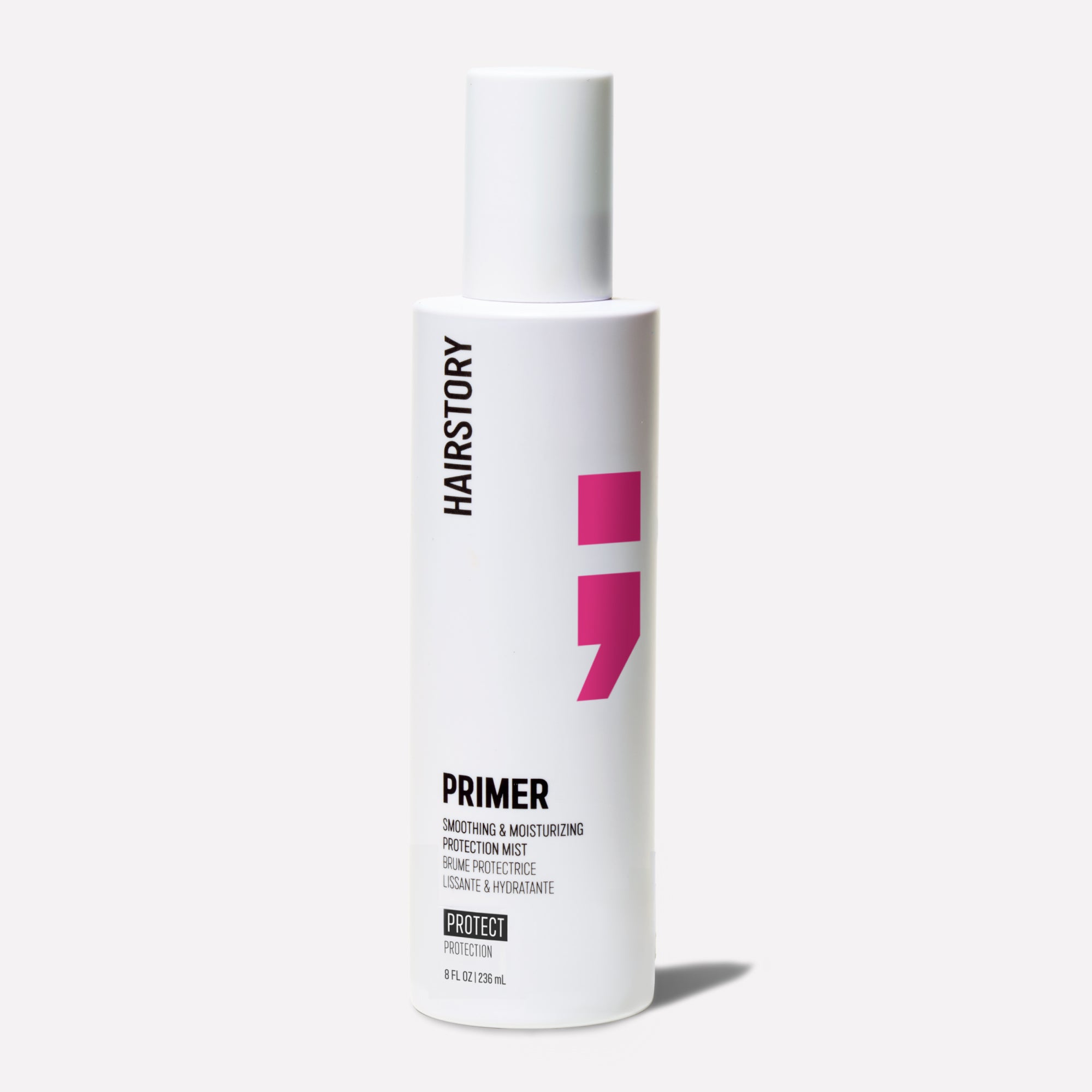
Primer, applied to damp fine hair before heat tools, provides a heat protectant layer while adding the body and smoothness that improve the blow-dry result. It also reduces the time and temperature required to achieve a finished style, which directly reduces cumulative heat exposure. For fine hair specifically, the combination of lower temperature and shorter styling time enabled by Primer is one of the most meaningful long-term investments in strand integrity.
Finishing Fine Hair
Hair Oil should be used with significant restraint on fine hair. A single drop warmed between the palms and pressed lightly through the ends only adds shine and smooths flyaways without contributing to the weight and flatness that a more generous application would create. Fine hair's capacity for shine when the cuticle is smooth and the strand is well-maintained is one of its genuine advantages, and a single touch of Hair Oil on dry ends is usually all that is needed to bring it out.
A Fine Hair Routine with Hairstory
Wash with New Wash Original focused at the scalp, working through the lengths gently with fingers and allowing two minutes before rinsing thoroughly. Apply a very small amount of Hair Balm to damp mid-lengths and ends only, keeping entirely away from the root. Apply Primer to damp hair before blow drying, directing airflow at the root for lift. Finish with Undressed at the root and through the lengths for volume and texture, and a single drop of Hair Oil on dry ends for shine.
Every two to three weeks, use New Wash Deep Clean to reset any accumulated product weight before returning to Original.
Fine hair's fragility and its potential are the same thing. Strands narrow enough to be weighed down by a heavy conditioner are also narrow enough to move beautifully when they are given room to.