The best shampoos for color-treated hair might not be shampoo at all. If you’ve spent time and money perfecting your hair color, the last thing you want is to watch it fade or become dry and brittle. Unfortunately, traditional shampoos often contain harsh detergents like sulfates that strip away not just dirt but also your hair’s natural oils and vibrant color, leaving strands dull and damaged.
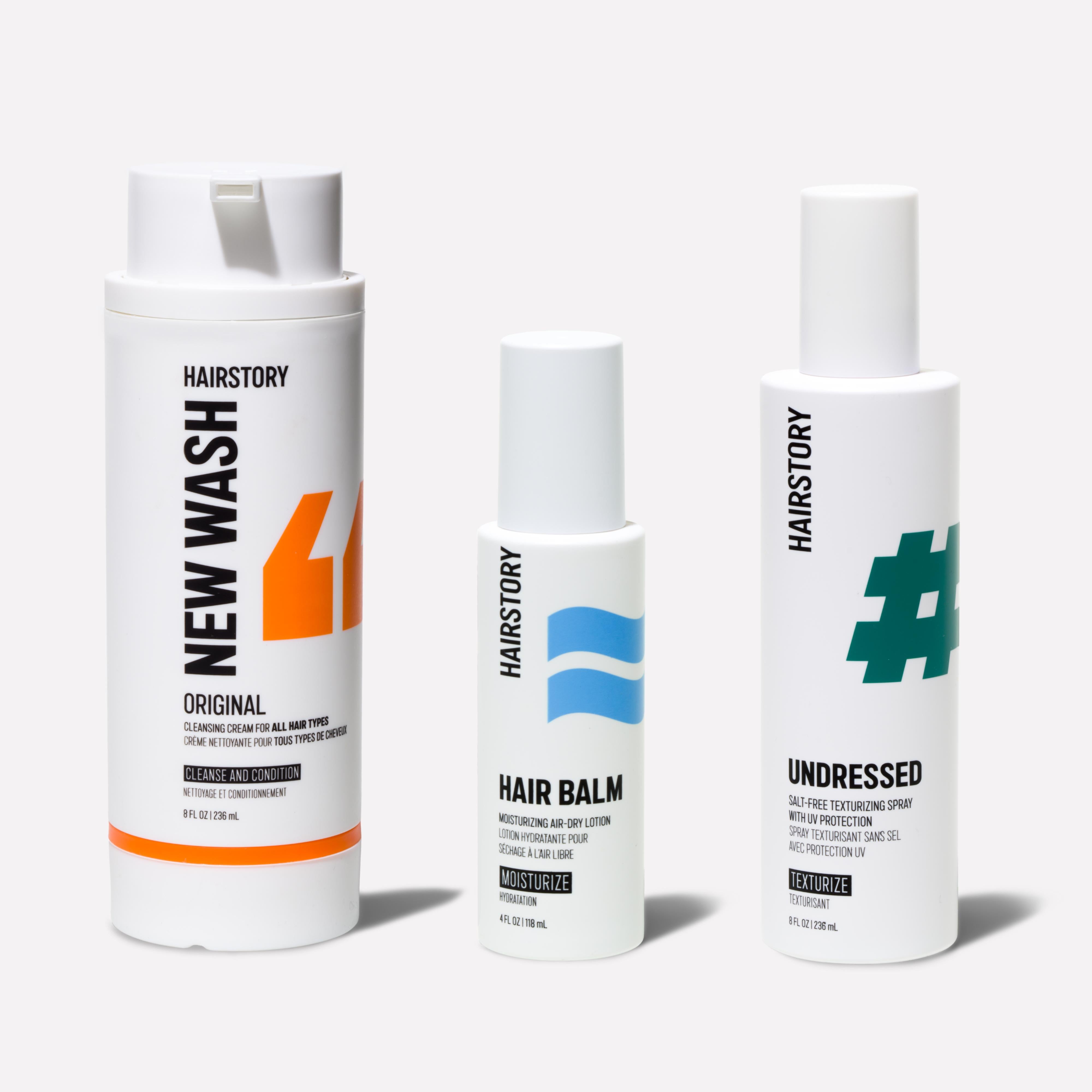
That’s where New Wash, a revolutionary hair cleansing cream, changes the game. Free from detergents, sulfates, and parabens, New Wash gently cleanses your hair without stripping away its natural oils or vibrant color. It’s designed to nourish, protect, and maintain the integrity of your strands, so your hair remains healthy and radiant.
Color-treated hair needs special care to maintain its shine and vibrancy. By replacing traditional shampoos with innovative products like New Wash, you can preserve your color, restore moisture, and enjoy a healthier way to care for your hair.
To understand why products like New Wash are so effective, it’s important to first explore the unique challenges color-treated hair faces and why traditional shampoos fall short
Part 1: Understanding the Challenges of Color-Treated Hair

Why Color-Treated Hair Needs Extra Care
When you color your hair, it’s not just about changing the shade—it’s a chemical process that alters your hair’s structure. The protective cuticle layer is forced open to deposit pigment, which weakens the strands and makes them more vulnerable to external damage.
Here’s why color-treated hair is more delicate:
- Moisture Loss: The dyeing process strips away natural oils, leaving your hair prone to dryness and brittleness.
- Porosity: Dyed hair becomes more porous, making it harder to retain moisture and more susceptible to environmental damage like UV rays.
- Color Fading: Chemicals like ammonia and peroxide used during coloring can cause faster fading if not properly cared for.
With these challenges in mind, it’s essential to adopt hair care practices that protect your color while maintaining healthy strands.
The Science Behind Different Hair Color Treatments
Not all hair colors are created equal. Each type of treatment interacts with your strands differently, and knowing the differences can help you tailor your care routine:
Semi-Permanent Color
- Sits on the outer layer of the hair and subtly enhances natural tones.
- Fades after about 12 washes, as the tiny molecules easily exit the hair shaft.
- Leaves no stark line between the dyed hair and regrowth.
Demi-Permanent Color
- Penetrates slightly deeper, blending with natural pigments for a richer color.
- Lasts up to 24 washes and contains minimal peroxide to enhance tone.
- Doesn’t lighten your natural hair but offers a noticeable boost in vibrancy.
Permanent Color
- Delivers the most dramatic results by chemically altering the hair structure.
- Uses ammonia and peroxide to strip natural pigment and deposit color deep within the cortex.
- Lasts the longest but leaves the hair more fragile and prone to damage.
No matter which method you choose, your cuticle—the hair’s protective layer—gets stressed and fragile during the coloring process. The key to keeping your hair looking salon-fresh is a routine that nourishes, strengthens, and protects it from the elements.
Ingredients to Avoid in Shampoos for Color-Treated Hair
Not all shampoos are created equal—especially when it comes to caring for color-treated hair. Some common ingredients can sabotage your vibrant hue, leaving you with dry, brittle strands and prematurely faded color. Here’s what to look out for:

Sulfates: The Fading Culprits
Sulfates like sodium lauryl sulfate (SLS) and sodium laureth sulfate (SLES) are powerful detergents often found in traditional shampoos. Sure, they create a satisfying lather, but at what cost? These ingredients strip your hair of its natural oils and disturb the cuticle, leading to dull, faded color and dryness. Want a gentler alternative? Learn more in our guide on What is Sulfate-Free Shampoo: Myth or Must.
Parabens: Preservatives with a Catch
Parabens, commonly used to extend shelf life, might seem harmless, but they can irritate the scalp and weaken hair over time. While they don’t directly strip color, their potential to harm your scalp’s health makes them worth avoiding—especially if you have sensitive skin.
Harsh Detergents: The Moisture Zappers
Even shampoos marketed as “gentle” may include harsh detergents that strip essential moisture from your hair. Without adequate hydration, your cuticle becomes compromised, making it easier for color pigments to escape. The result? Dry, lackluster hair that loses its vibrancy faster.
Quick Reference Guide: Ingredients to Avoid
Keep this cheat sheet handy when scanning shampoo labels:
- Sulfates: Sodium lauryl sulfate (SLS), sodium laureth sulfate (SLES).
- Parabens: Methylparaben, ethylparaben, propylparaben.
- Harsh Detergents: Ammonium lauryl sulfate, ammonium laureth sulfate.
- Drying Alcohols: Isopropyl alcohol.
- Synthetic Fragrances: Often linked to scalp irritation.
Now that you know what to avoid, let’s explore how cleansing creams are revolutionizing care for color-treated hair.
Part 2: The Rise of Cleansing Creams as a Shampoo Alternative
As the drawbacks of traditional shampoos become more apparent, a revolutionary solution has emerged: cleansing creams. These innovative products are redefining how we approach hair care, especially for color-treated hair.
What is a Cleansing Cream?
Cleansing creams are a game-changing alternative to traditional shampoos, designed to gently cleanse hair without the harsh effects of sulfates or detergents. Unlike conventional shampoos that rely on lathering agents, cleansing creams skip the foam entirely. This means no sulfates, minimal stripping of natural oils, and better preservation of your hair's natural moisture balance.
These non-foaming formulas work by dissolving impurities and buildup without disturbing your hair's protective layer. For color-treated hair, this is especially important, as the cuticle remains smooth and intact, locking in color pigments. Unlike shampoos that often strip both natural oils and color, cleansing creams focus on nourishing and maintaining the health of your strands.
Ideal for delicate, color-treated hair, cleansing creams are also an excellent choice for anyone looking to reduce frizz, boost hydration, and avoid the drying effects of harsh chemicals. By swapping your traditional shampoo for a cleansing cream, you're choosing a gentler, more thoughtful approach to hair care.
Benefits of Cleansing Creams for Color-Treated Hair
Cleansing creams bring a unique dual-purpose approach to hair care, acting as both a gentle cleanser and a nourishing conditioner. This two-in-one functionality is particularly beneficial for color-treated hair, which requires extra hydration and care.
- Moisturizing Properties: Cleansing creams deliver intense hydration, reducing dryness and frizz—common issues for colored hair.
- Longer-Lasting Color: By avoiding harsh detergents, these formulas help maintain the vibrancy of your hair color for longer periods, minimizing fading with every wash.
- Gentle on Hair and Scalp: Free from sulfates and parabens, cleansing creams are soothing to sensitive scalps and ensure your hair's protective oils are preserved.
- Soft and Manageable Strands: With their conditioning properties, cleansing creams leave hair smooth, soft, and easy to style.
For anyone seeking the best shampoo and conditioner for colored hair, cleansing creams are the perfect solution to combine cleansing, moisturizing, and color protection in one step.
Ingredients to Look for in Color-Friendly Cleansers
When choosing a color-friendly cleansing cream, look for these nourishing ingredients:
- Natural Oils: Argan, jojoba, and coconut oils hydrate and nourish your hair, adding shine and smoothness.
- Botanical Extracts: Ingredients like aloe vera and chamomile soothe your scalp and enhance color vibrancy.
- Protein Complexes: Keratin and silk proteins strengthen and smooth the hair shaft, improving resilience and texture.
These ingredients work in harmony to protect and maintain the health of color-treated hair, ensuring it stays vibrant and damage-free without the need for harsh shampoos.
The Rise of Cleansing Creams as a Shampoo Alternative
Color-safe shampoos often promise gentler formulations, but they still rely on detergents that can disrupt your hair’s cuticle and compromise color longevity. While some suggest mixing conditioner with shampoo or applying coconut oil for added protection, these methods only mask the underlying issue: harsh detergents.
The solution? Go foam-free. Hair cleansing creams, like New Wash, are detergent-free and formulated with Aloe Vera and essential oils. Unlike traditional shampoos, they cleanse without stripping natural oils or lifting the cuticle, leaving your color vibrant and your hair healthy.
For those who have experienced the drying effects of bleach or harsh chemicals, cleansing creams also act as anti-inflammatory agents, soothing the scalp and restoring balance. By embracing cleansing creams, you’re choosing a modern, effective way to protect your color investment while keeping your strands nourished and vibrant.
Embrace the New Wash Revolution
By exploring alternatives to traditional shampoos, it’s clear that cleansing creams offer a transformative approach to hair care—especially for color-treated hair. Unlike shampoos that rely on harsh detergents, cleansing creams like New Wash gently cleanse while protecting your hair’s natural oils and vibrant color.
Switching to a product like New Wash isn’t just about cleansing; it’s about embracing a modern, effective way to care for your hair. With its innovative formula and nourishing properties, New Wash simplifies your routine while delivering unparalleled results for color-treated hair.
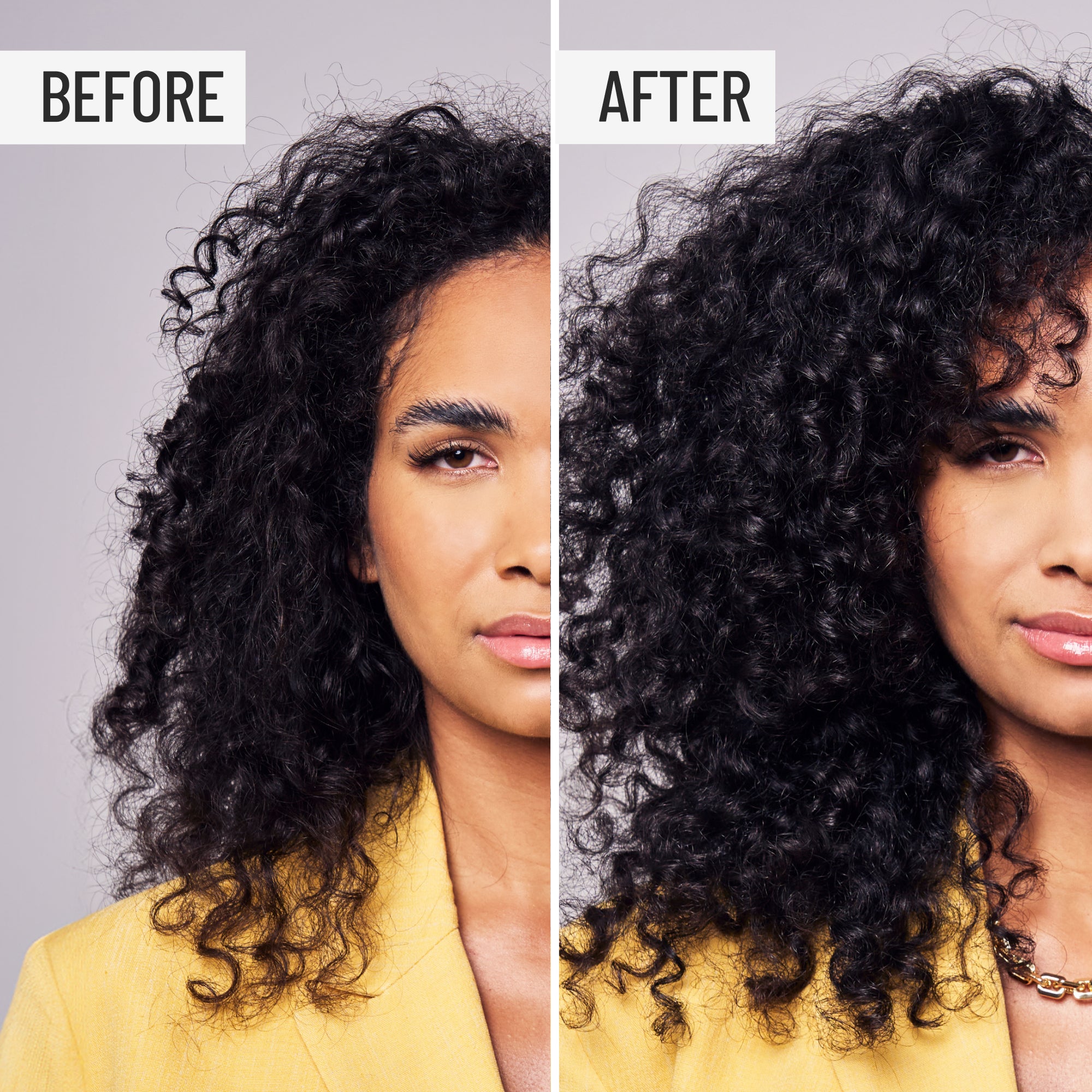
Say goodbye to dull, brittle strands and hello to vibrant, healthy hair that shines with every wash. Ready to make the switch? Your hair—and its brilliant color—will thank you.