When it comes to hair, there’s nothing new under the sun, and this year’s trendy bangs perching just below the hairline are no exception.
Tiny bangs (also known as micro fringe) made it big in the 1950s thanks to red carpet stars Elizabeth Taylor, Joanne Woodward, Audrey Hepburn, and Natalie Wood, pictured below. (Model Bettie Paige is a banglet poster girl; more on her later.) These iconic women paired their straight hair baby fringe with a short haircut like a bob or a pixie cut. At the time, this short fringe was a new take on the traditional bangs that extended to a woman's eyebrows.
EVERYTHING OLD IS NEW AGAIN
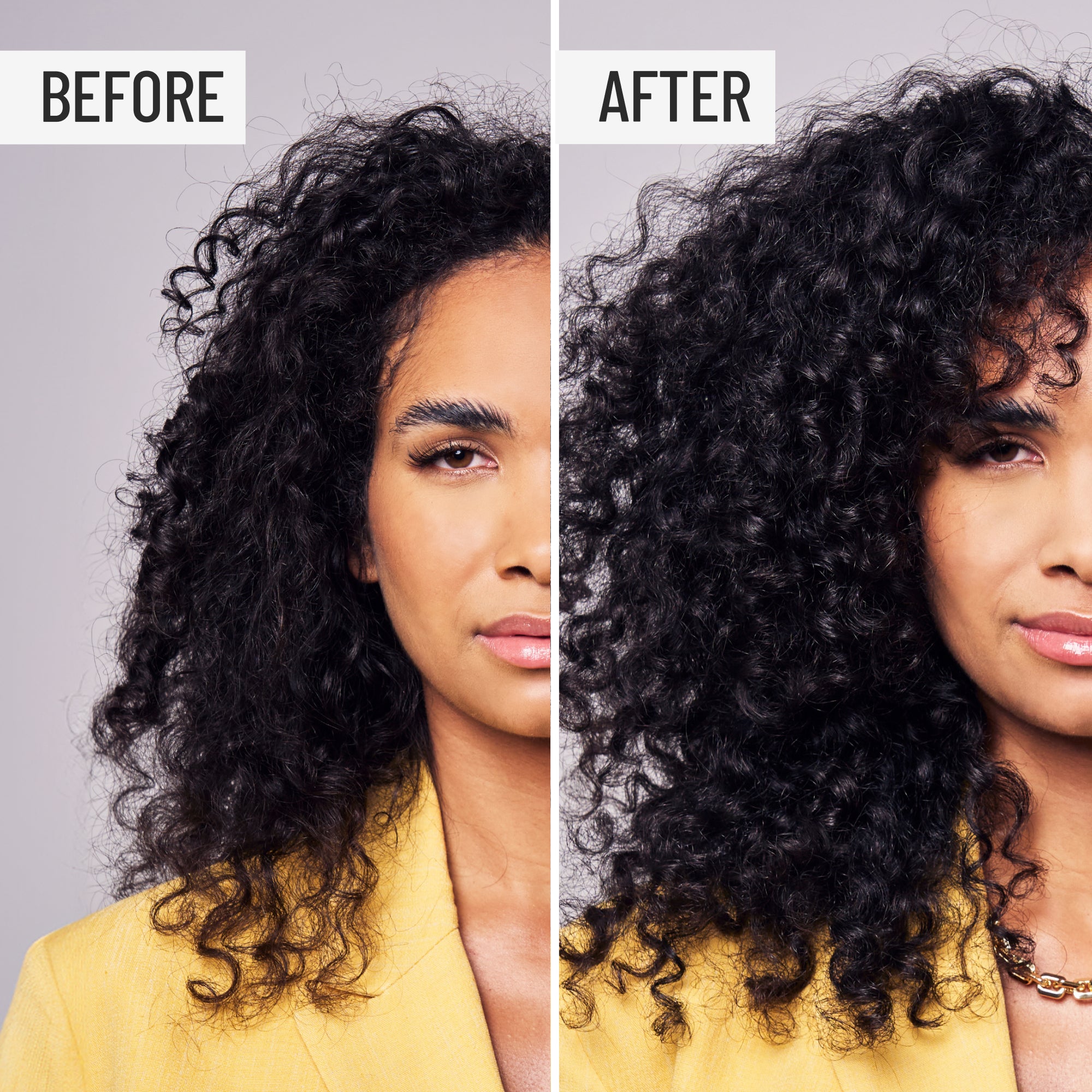
Today’s version of the hair trend incorporates the same highbrow profile but works with all kinds of textures and cuts, including long hair and curly hair.
But before you jump on the baby bang-wagon, there are a few things to consider to avoid looking like a goth doll (though some may love to) like your face shape and hair texture as well as how manageable the wispy bangs look will be for you. On the fence? Buy a wig or some faux bangs, trim to fit, and take a series of selfies before committing in the salon.
HOW TO CUT BABY BANGS
Get your head around the fact that while a curtain bang or long fringe offers cover in a sexy, mysterious way, super short bangs do the opposite by opening the face, exposing the eyes, and begging the wearer to be noticed. Confidence is key here.
According to scissor wizard Wes Sharpton, “It’s all about the triangle.” Cutting bangs requires creating a triangular section with the apex lying somewhere between the crown and the hairline, with its base narrowing or widening across the brow depending on hair density and the contours of the hairline. “The triangle may be narrower for thicker hair with natural volume, or wider and farther back to make bangs on fine hair more substantial. Cutting short bangs requires understanding how hair reacts once you release the weight that comes with length.”
HOW TO STYLE BABY BANGS
Once you’ve got your baby fringe, be prepared to spend some time grooming it (because until it grows out it can’t be easily clipped or slicked back). By day, stylists often recommend – appropriately – a baby flat iron as the best, least effortful way to keep them in line. At night, sleep with a silk headband strapped over the forehead, or wear a snug beanie to press bangs pressed in place while asleep, and save some precious time in the morning hours. (Remember that silk is less absorbent and potentially dehydrating than cotton).
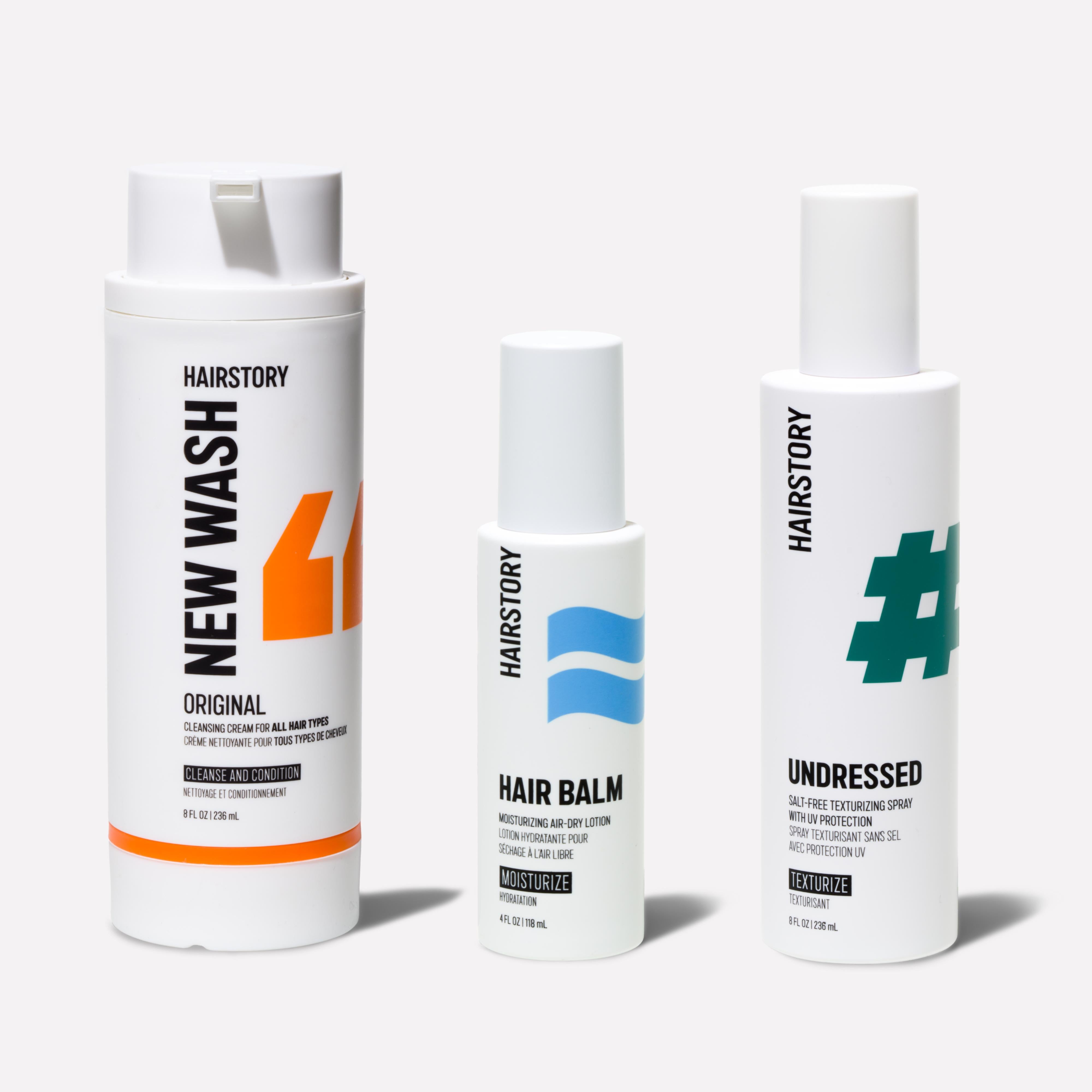
Depending on your hair texture, you’ll need liquid products to work through your hair while it’s damp before styling. For fine to medium hair, start with a lightweight leave-in conditioner (like Hairstory Hair Balm); coarser, curlier hair may respond better to a blow-dry lotion (try Hairstory Dressed Up). Position the blow-dryer behind and above the hairline and direct the air downward to work out kinks and help hair to fall naturally. Then cup a hand against your forehead while hair cools (as if thinking, ‘OMG I can’t believe I got these bangs!’).
If you’re using a flat-iron, you’ll need the heat protection that Dressed Up offers. Take the top section of that triangle mentioned above, move it aside and iron the subsection first, pulling straight down and toward the brow so bangs conform to your forehead and don’t stick straight out.
People with straight hair may have an advantage here, but Wes is one stylist who encourages people with all textures to adopt a more lived-in attitude. “It feels more modern to be less obsessive with less manipulation,” he says. Stick with the products you love and let them – and the cut – do the work. “Your natural texture is what makes bangs customized to you.”
THE BETTIE EFFECT
A special subset of baby-bangers is the decidedly adult Bettie Page, model and titled Pin-up Queen whose jet-black hair, blue eyes, and trademark fringe still inspires many a modern, retro-inspired vixen, such as actor Krysten Ritter. Bettie was caviar to the purchasers of girlie mags, and the Garbo of bondage movies and the 13th model to grace the centerfold of a new slick magazine called Playboy. Her trademark graphic fringe was often painstakingly trimmed in an inverted chevron and polished to an onyx perfection. If you lean toward a goth-inspired and 50s glam, these bangs are for you.
Life on the Fringe
Whether it's a short gamine cut, a lob, or long layers, simply adding baby bangs will quickly transform your entire look, and they work equally well whether you wear your hair down or up. The good news: Baby bangs won’t last more than a month or two if you find them too extreme. They’ll soon meet your brow and take you from ’50s starlet to ’60s rocker; how far beyond that is up to you and your hairdresser. So bang on!