What Hairdressers See in the Chair
Most hair professionals spend a significant portion of their consultations diagnosing the downstream effects of conventional haircare products. The pattern is consistent: a client receives a color service, leaves with well-conditioned, vibrant hair, and returns several weeks later with color that has faded significantly, hair that feels dry and brittle, and a scalp that is either over-stripped and sensitive or congested with product buildup.
The cause is almost always the same. Sulfate-based shampoos, which dominate conventional haircare, strip the natural oils from the hair shaft and scalp with every wash. They open the cuticle aggressively to remove oils and dirt, and they take color pigment with them in the process. Silicone-based conditioners applied afterward create a surface coating that masks the dryness and damage rather than addressing it, building up over time and creating the congestion and weight that progressively compromises the hair's actual condition.
Hairdressers who understand this dynamic are often the first to direct clients away from conventional products and toward alternatives that support rather than undermine the work being done in the salon.
Why Hairdressers Recommend Sulfate-Free Cleansing
The professional case for sulfate-free haircare begins with color longevity. A client who washes daily with a sulfate-based shampoo will lose a measurable portion of their color deposit with each wash, returning to the salon weeks before necessary with faded, flat color. A client using sulfate-free cleansing preserves the pigment deposited during their service and extends the life of the color significantly. For the client, this means fewer appointments and lower costs. For the hairdresser, it means the work they put into the color service is actually maintained between visits.
Beyond color, sulfate-free cleansing preserves the natural scalp microbiome that sulfate stripping disrupts. Hairdressers regularly treat clients whose scalps have become reactive, over-sebum-producing, or sensitized from chronic stripping. The scalp's response to over-washing with sulfates is to produce more oil to compensate, which many clients interpret as proof they need to wash more frequently, which worsens the cycle. Moving a client to a sulfate-free cleansing system often stabilizes sebum production over several weeks and allows the scalp to find a more balanced state.
What Makes New Wash Different from Other Sulfate-Free Options
Many sulfate-free shampoos replace sulfate surfactants with milder synthetic alternatives that are gentler but still follow the same two-step model: separate shampoo and conditioner, often with silicone-based conditioning agents. New Wash takes a different approach.
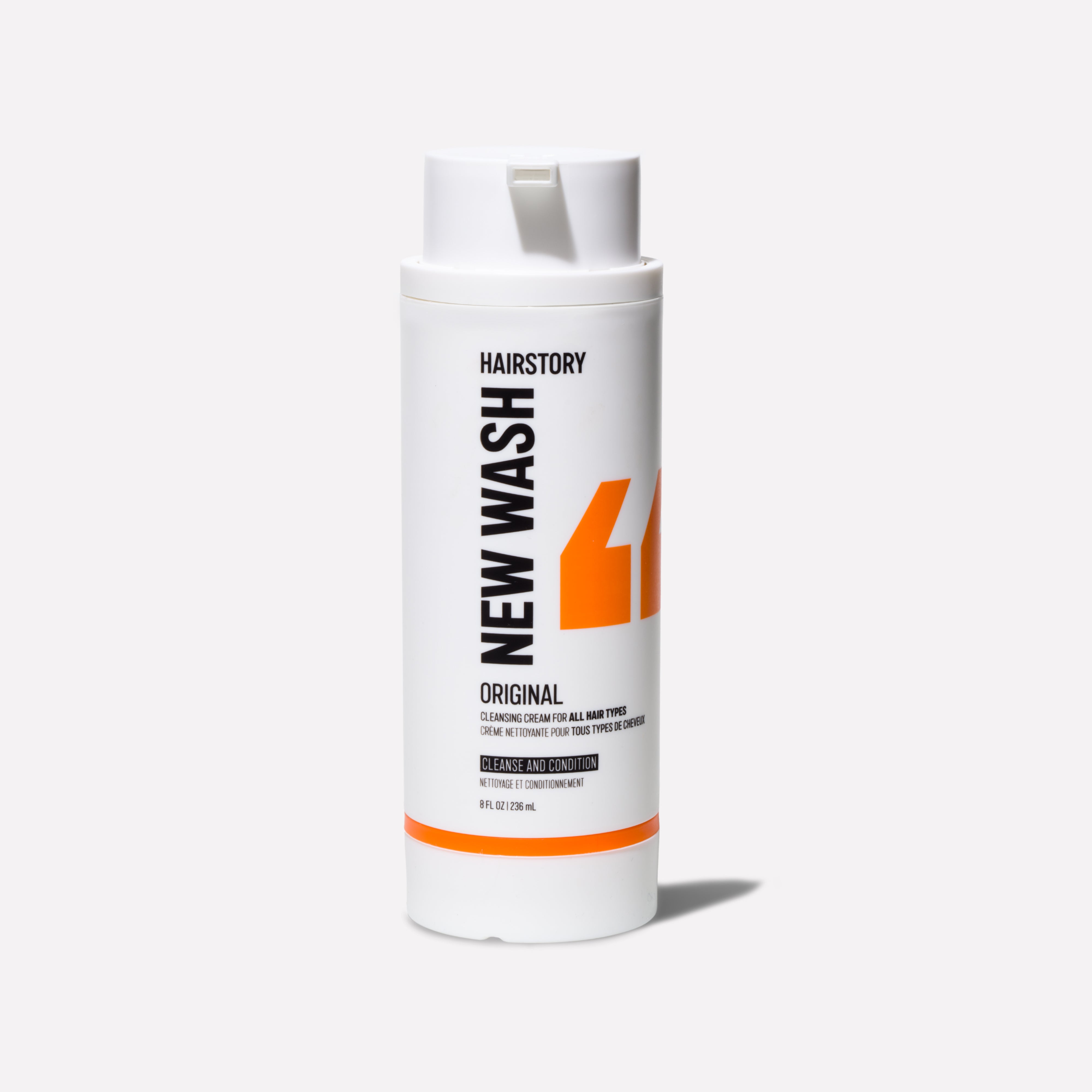
New Wash is a single-product hair cleansing system that cleanses and conditions simultaneously using a blend of conditioning cleansers, nourishing oils, and emollients. It removes what needs to be removed while delivering conditioning to the shaft during the cleansing process itself, before rinsing washes away much of what a separate conditioner would deposit. There is no silicone coating and no product accumulation over time.
Hairdressers find that clients who switch to New Wash arrive in the chair with hair that has held its condition between services in a way that silicone-coated hair does not. The hair is genuinely conditioned rather than coated, which makes it more responsive during services and easier to work with throughout the appointment.
New Wash (Deep Clean): The Professional's Reset
New Wash (Deep Clean) occupies a particular position in professional recommendations because it addresses a problem that hairdressers see constantly: mineral and product buildup that has accumulated to the point of affecting how the hair receives service.
Hard water, silicone from previous conditioners, and styling product accumulation create a film on the hair shaft that interferes with color uptake, makes chemical processing less predictable, and dulls the finish of any service. Many hairdressers recommend a Deep Clean wash in the days before a color or chemical service to clear the hair's surface and allow for the most even, accurate results.
Used every two to three weeks as a regular maintenance step, New Wash Deep Clean prevents the accumulation that compromises hair condition between appointments and keeps the hair in the kind of state that makes salon services more effective and longer lasting.
New Wash (Rich) for Processed and High-Porosity Hair
Hairdressers who service clients with chemically processed hair, particularly those who receive regular lightening, color, or chemical smoothing treatments, often recommend New Wash (Rich) for its higher concentration of conditioning agents. The structural changes that chemical services create in the hair shaft make moisture retention more difficult and moisture delivery more important. New Wash Rich addresses this during the cleanse itself rather than depending on a post-wash conditioner that may not penetrate an already-compromised cuticle effectively.
Primer for Clients Who Heat-Style Daily
Heat damage is one of the most consistent causes of preventable hair deterioration that hairdressers address. Clients who style with heat tools daily without thermal protection accumulate cuticle damage that progressively dulls the finish and weakens the strand. The cumulative effect is particularly visible and harder to reverse in color-treated hair, where the combination of chemical and heat damage compound each other.
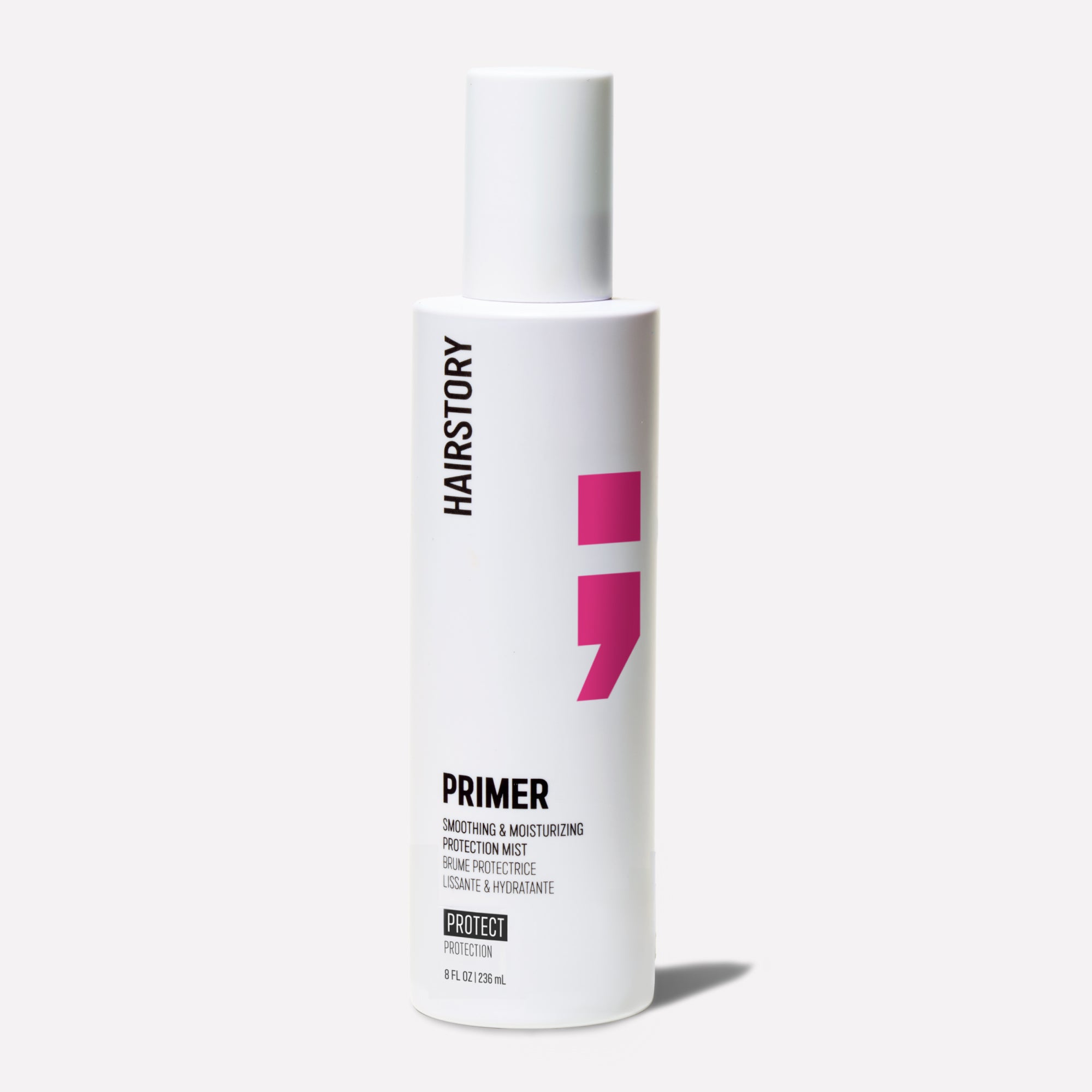
Primer applied to damp hair before heat tools provides the thermal barrier that allows daily heat styling without the progressive damage that unprotected styling causes. Hairdressers who recommend Primer to clients who heat-style regularly note the difference in hair condition at the next appointment compared to clients using no protection or styling products that provide minimal protection.
Hair Oil as a Professional Finishing Step
Hairdressers use finishing oils as a professional tool because they understand what a well-applied finishing oil does to the presentation of the hair: it seals the cuticle, enhances light reflection, and adds the dimensional shine that is the visual marker of genuinely healthy, well-maintained hair.
Hair Oil translates the professional finishing technique into a home routine product that clients can apply consistently and correctly. A small amount worked through dry lengths produces the same smoothness and luminosity that clients admire after a blowout in the salon, and applied regularly, it protects the cuticle from humidity and environmental exposure between washes.
A Professional-Grade Routine at Home
The gap between how hair looks after a salon visit and how it looks several weeks later is largely a function of the home routine. Hairdressers who recommend Hairstory do so because they have seen that the gap closes significantly when clients replace stripping, buildup-causing products with a sulfate-free, silicone-free cleansing system.
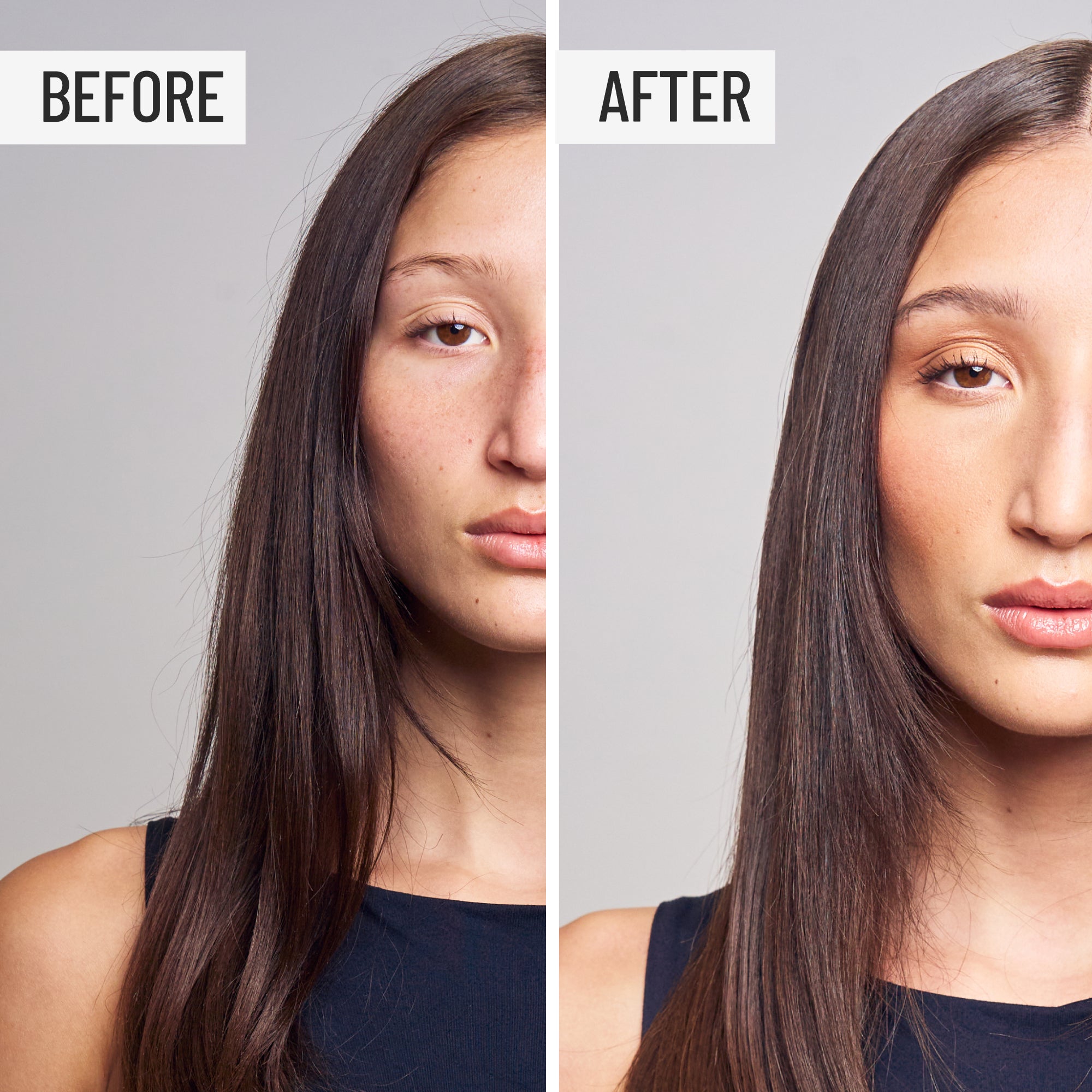
Wash regularly with New Wash Original or Rich based on hair type, treatment history, and porosity. Use New Wash Deep Clean every two to three weeks to prevent the accumulation that undermines condition between appointments. Apply Primer before any heat styling. Finish with Hair Oil for the professional-quality shine and cuticle protection that makes the difference visible.
Hairdressers recommend Hairstory because it supports their work rather than working against it. The difference shows up in the chair, and it shows up in the mirror every day between appointments.