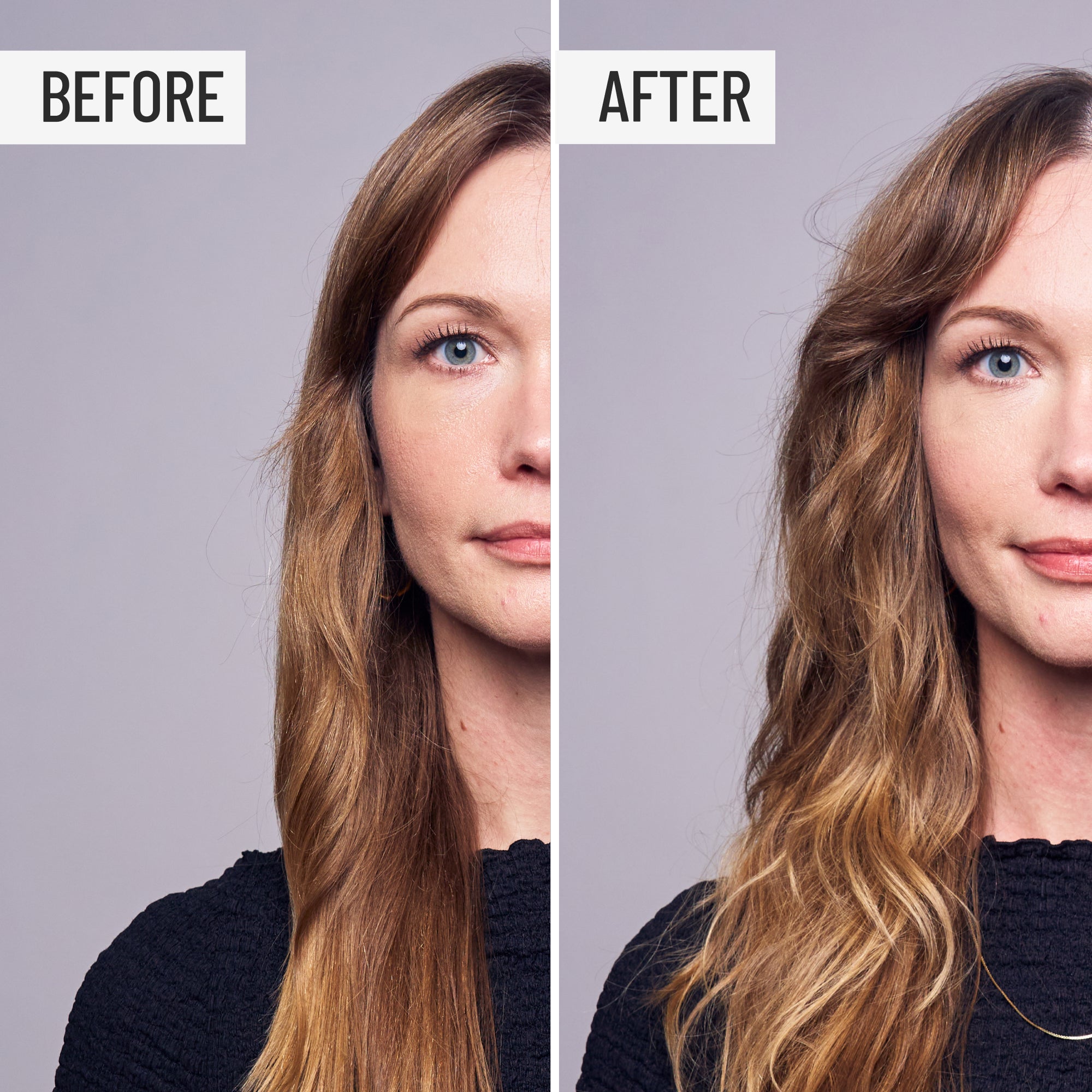
What Heat Does to Hair at the Structural Level
The hair shaft is composed primarily of a protein called keratin, organized into a complex fibrous structure within the cortex and protected on the outside by the cuticle layer. Heat affects this structure in several distinct ways, each of which accumulates with repeated exposure.
At temperatures above approximately 150 degrees Celsius, the hydrogen bonds that give the keratin structure its flexibility and elasticity begin to break. This is the mechanism behind straightening and curling: heat temporarily disrupts these bonds, and the hair takes the shape it is held in as it cools and the bonds reform. At this level of heat, some permanent bond damage also occurs, and with repeated applications the cumulative destruction of these bonds progressively weakens the strand's structural integrity.
At higher temperatures, above approximately 200 degrees Celsius, the disulfide bonds within the keratin structure begin to break irreversibly. These bonds are the foundation of the hair's strength, and their destruction is what is meant by heat damage in the structural sense: the hair becomes weaker, less elastic, prone to breakage, and in severe cases loses its curl or wave pattern permanently as the protein architecture is irreversibly altered.
The cuticle layer is also directly affected by heat. High temperatures cause the cuticle scales to lift and not fully return to their flat position, progressively increasing porosity, reducing the strand's ability to retain moisture, and creating the rough, dull surface that characterizes heat-damaged hair.
The Cumulative Nature of Heat Damage
Heat damage is almost never the result of a single styling session. It is the accumulated consequence of hundreds of sessions across years, each one contributing a small amount of protein degradation and cuticle disruption that individually is imperceptible but collectively produces significant structural change.
This cumulative nature makes heat protection particularly important as a daily practice rather than an occasional precaution. A single blow dry at high temperature on healthy hair produces minimal visible effect. The same routine applied five days a week for a year produces measurable changes in tensile strength, elasticity, and moisture retention. Applied over several years, the compound effect of unprotected heat styling is visible in breakage, lack of shine, progressive dryness, and for naturally curly and wavy hair, loss of pattern definition.
Why Most Heat Protectants Are a Compromise
The majority of commercial heat protectants use silicone polymers as their primary active ingredient. Silicones are effective heat shields in the short term: they form a coating around the hair shaft that disperses heat before it reaches the underlying protein structure, reducing the temperature differential between the tool and the strand.
The compromise is that silicone heat protectants contribute to the same buildup cycle that causes long-term hair health problems. Applied to damp hair before every blow dry or heat styling session, silicones accumulate on the shaft, block moisture penetration, require stronger cleansers to remove, and create a progressive coating that makes hair increasingly reliant on the products meant to care for it. Many people using silicone heat protectants daily find that their hair's condition declines over time despite consistent protection against heat, because the protection product itself is the source of a different form of damage.
Primer: Heat Protection Without Silicone
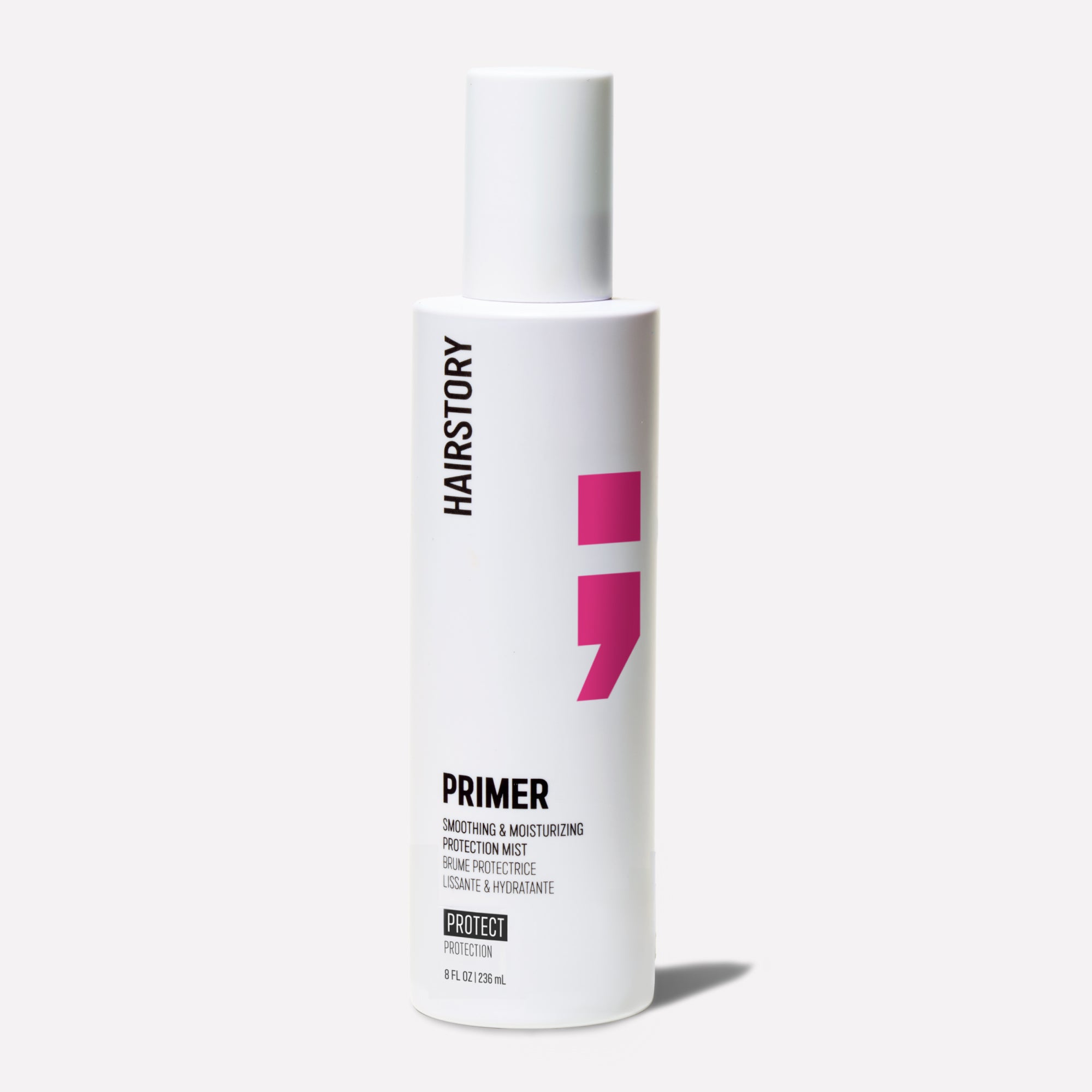
Primer, Hairstory's blow-dry primer, provides heat protection without silicone polymers. Applied to damp hair before blow drying or any heat styling tool, it creates a protective layer between the heat source and the hair shaft using a formula that does not accumulate on the strand or require a stronger cleanser to remove.
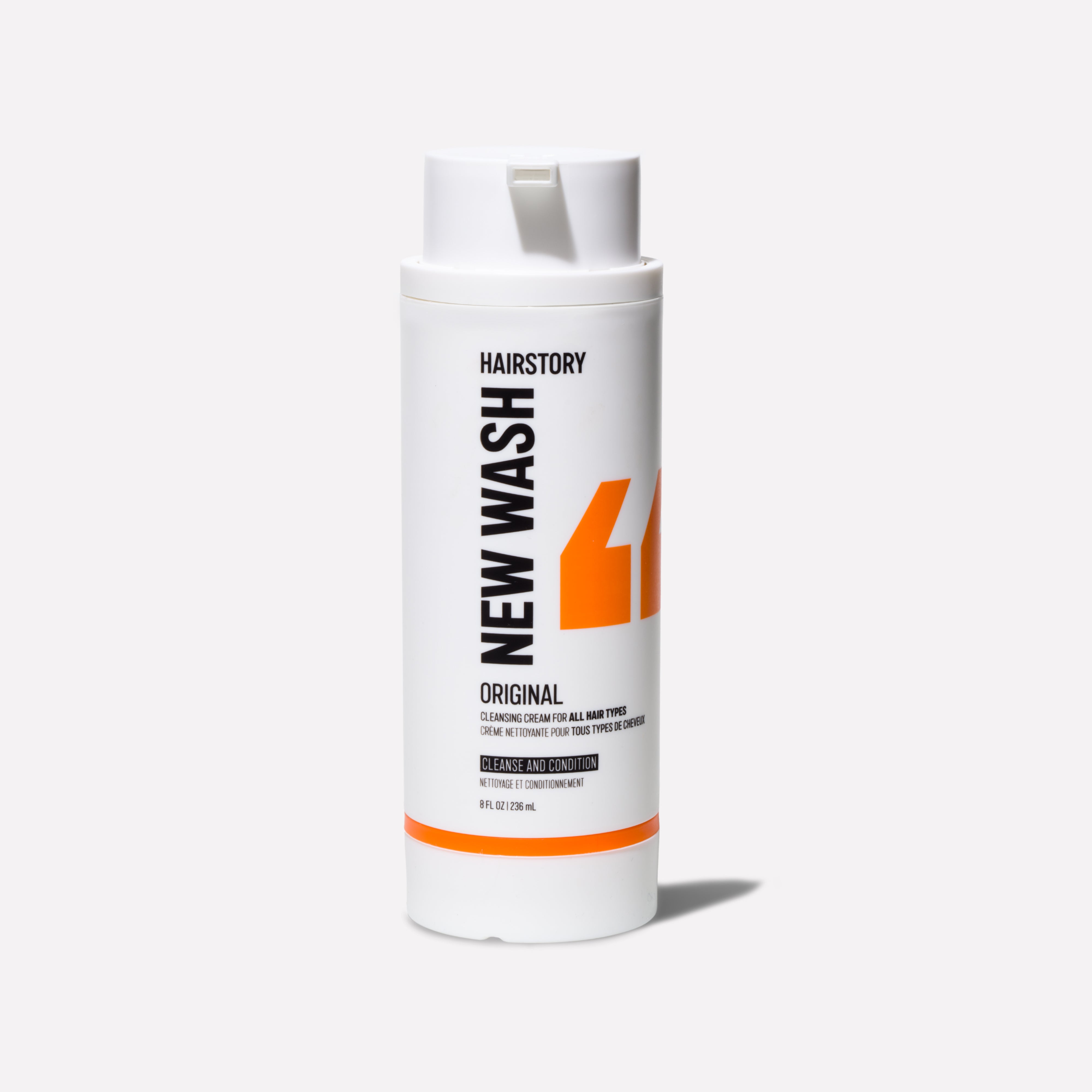
Because Primer is silicone-free, it is compatible with the sulfate-free, silicone-free routine in a way that conventional heat protectants are not. Applying a silicone-based heat protectant on top of New Wash undermines the benefits of a sulfate-free cleansing approach by reintroducing the silicone that New Wash does not add. Primer closes this gap: the heat is addressed without reintroducing the ingredient that the routine is built around excluding.
Beyond heat protection, Primer adds body and smoothness to damp hair before drying, which improves the quality and durability of the finished style while also reducing the time and temperature required to achieve it. Shorter time under heat and lower temperature settings both directly reduce the per-session heat load the hair receives, which is meaningful when multiplied across hundreds of styling sessions per year.
Moisture as the Foundation of Heat Resistance
Well-moisturized hair withstands heat better than dry hair. This is not an opinion. The hydrogen bonds that heat disrupts are stabilized by the hair's moisture content, and hair with adequate internal hydration has more structural resilience against thermal stress than depleted hair does. A hair shaft that is dry and brittle before the heat tool is applied sustains more damage at the same temperature than a hair shaft that is properly conditioned.
This means that the most effective heat protection strategy is two-part: a product that physically protects against heat, and a routine that keeps the hair sufficiently moisturized that heat has less structural damage to work with.
New Wash (Rich) or New Wash (Original), used as the regular cleansing formula, provides the moisture foundation that makes heat protection more effective. Hair that is genuinely moisturized at the cortex level from consistent New Wash washing enters each heat styling session in better condition than hair that has been stripped and coated in a conventional routine. The protection Primer provides is more effective on well-moisturized hair than on dry hair, in the same way that a sun protectant is more effective on healthy skin than on already-damaged skin.
Hair Balm Before Heat
Applied to damp hair immediately after washing, Hair Balm seals moisture into the strand before Primer and heat styling begin. This moisture-first approach ensures the hair enters the drying process hydrated rather than depleted. When Primer is then applied over Hair Balm on damp hair, the combination of sealed moisture from Hair Balm and heat protection from Primer addresses both aspects of heat resistance simultaneously.
For hair that is particularly vulnerable to heat damage, such as color-treated, high-porosity, or previously heat-damaged hair, the Hair Balm and Primer layering approach is the most comprehensive protection available within a silicone-free routine.
Temperature and Technique
No heat protectant eliminates the importance of technique. The temperature of the tool and the time hair spends under heat are the primary variables determining damage level, and even the best heat protectant is less effective at 230 degrees Celsius than a less effective one used at 160 degrees.
Reducing heat tool temperature to the lowest setting that achieves the desired result significantly reduces cumulative damage over time. Because Primer speeds the blow-dry process and improves the smoothness and finish of the style, it makes lower temperature settings more achievable in practice. Hair that might require ten minutes at high heat to achieve the desired smoothness may achieve the same result in seven minutes at a lower temperature when Primer has prepared the strand, which over a year of daily blow drying represents a substantial reduction in total heat exposure.
For curly and wavy hair, diffusing at low heat rather than high heat achieves definition and volume with significantly less cuticle disruption. For straight hair, tension-drying with a brush at medium heat and finishing with cool air to close the cuticle provides smoothness and durability with less thermal stress than drying at maximum heat throughout.
After Heat Styling: Sealing and Finishing
After heat styling, Hair Oil applied in a small amount to dry lengths seals the cuticle in its styled position, adds the shine that well-maintained heat-styled hair is capable of, and provides a light barrier against humidity-driven frizz that undoes the work of the blow dry. The finishing step with Hair Oil is particularly effective after a Primer-prepared blow dry because the cuticle has been smoothed and set properly and the Hair Oil has a flat surface to enhance rather than a rough one to compensate for.
Reducing Heat Dependency Over Time
One of the less-discussed benefits of transitioning to a sulfate-free, silicone-free routine is that many people find they need heat styling less frequently. Hair that is not being stripped no longer needs heat to manage the frizz and flyaways that stripping creates. Hair that retains its moisture does not need the smoothing effect of heat as urgently. Hair with a naturally smoother cuticle from consistent conditioning looks styled without a blow dryer in ways that stripped, frizzy hair does not.
For people who heat style primarily to manage dryness and frizz rather than for a specific desired shape, the routine change alone often reduces the frequency with which heat styling feels necessary, which reduces cumulative heat damage more meaningfully than any protectant product applied to an unchanged routine.
A Heat Protection Routine with Hairstory
Wash with New Wash Original or Rich, rinsing with cool water. Apply Hair Balm immediately to soaking wet hair from mid-length to ends. Apply Primer to damp hair before blow drying or heat tool use, distributing evenly. Use the lowest effective temperature setting and move the tool continuously to avoid sustained heat contact in one area. Finish blow-dried hair with cool air to close the cuticle. Apply Hair Oil to dry lengths after styling for shine and sealing.
Heat styling does not have to be abandoned to protect hair health. It has to be done thoughtfully, with the right preparation, at the right temperature, on hair that is in good enough condition that it has something to protect.