There was no place like East 56th Street.
An old carriage house, tucked between Lex and Third. Both floors running. Chairs packed upstairs and down. Over three hundred people move through that building on a good day. There were clients, editors, models, and apprentices all stacked on top of each other —loud, relentless and completely alive. The Bumble & bumble flagship wasn't just a salon. It was a machine. And it ran because one person knew exactly what it was supposed to be.
Michael Gordon built Bb.'s identity by looking to the editorial hairdressers who were already on the cutting edge. Not because they were trendy, but because their work was grounded in something tested and true. He'd take what was already proven and push it forward. Make it modern without losing what made it matter.
That kind of thinking attracted hairdressers who were hungry and who wanted to be part of something bigger than themselves. But it wasn't easy to get in. The average apprenticeship ran four years before you ever got on the floor. You earned your way behind the chair in that carriage house. And that made everything inside it mean something.

That's just who Michael was. He didn't follow the industry. He watched where it hadn't looked yet and walked straight toward it. The place was cutting-edge and historical at the same time, which sounds like it shouldn't work. But it did. Everything about Bumble worked because Michael believed it would.
When the flagship closes this June, I won't grieve for a building. I think about what it meant to train under someone with that kind of vision. Someone who could look at the world and just see what was coming before anyone else had a name for it.
The Moment That Changed Everything
Years after he'd left Bumble, we were talking, and in his English accent said, "Wezzy, I'm doing something. I think it's going to be interesting. Why don't you come along?"
I didn't ask a lot of questions.
And in my Okie accent, I said, "Heck yeah."
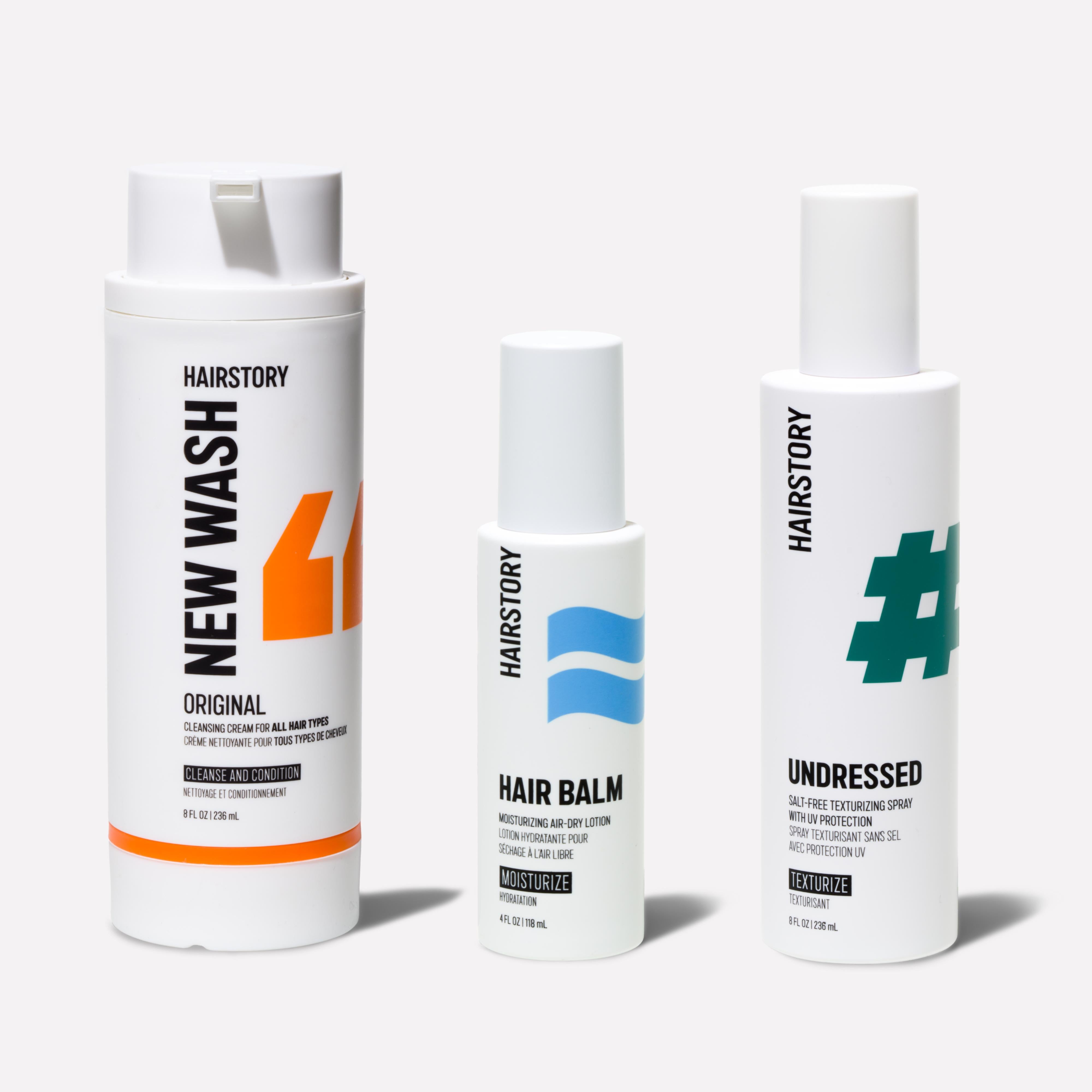
What I didn't expect was that "something interesting" was going to be about washing people's hair. And not even with shampoo.
With cream.
Fine hair runs in my family. The idea of putting a cream-based cleanser at my roots and telling fine-haired people to do that made zero sense to me. Run for the hills, I thought. This is nuts.
But here's the thing about following someone with a real vision: sometimes you trust the direction before you understand the destination.
So I leaned in.

What Happened When Clients Tried New Wash
The trials happened in Michael's apartment. This sprawling piece of Manhattan with floor-to-ceiling bookshelves, fashion binders stuffed with torn magazine pages, and afternoon light flooding in like a gallery. We'd shoot there, cut there, and think there. One day, in the middle of all of it, he handed me little bottles labeled New Wash and told me to send clients home with them.
So I did.
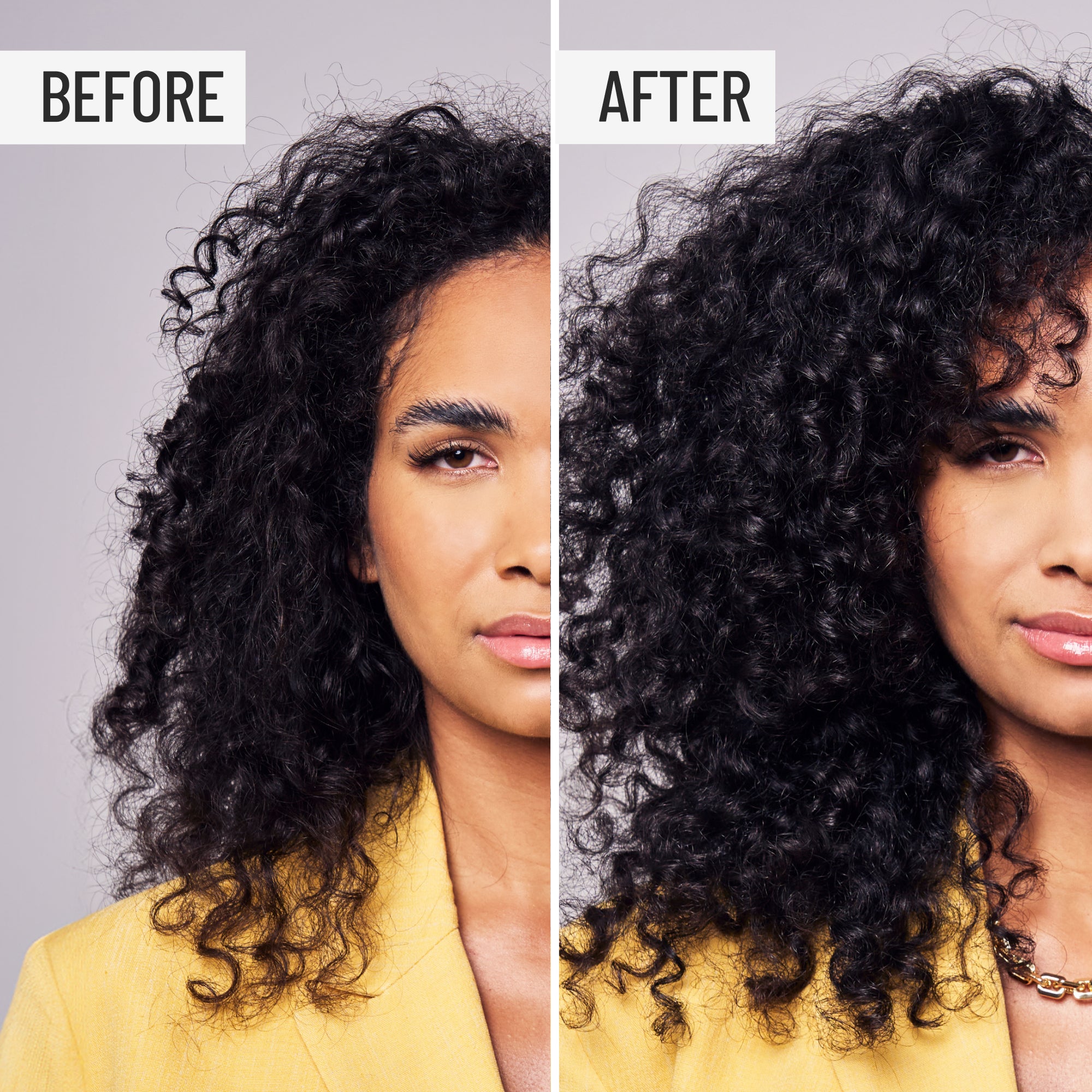
And they started coming back saying, "I don't know what you did this time, but my hair just…worked. I didn't have to do anything."
I'd been seeing some of these women for eight years. We hadn't changed a thing. Same cut, same everything. The only variable was those little cream cleanser bottles.
That's when the bigger picture came into focus, and it wasn't really about the product at all.

Why New Wash Changed What Hair Care Could Be
People don't want to style their hair. Not really.
They want their hair to be something. On its own. Without the daily negotiation.
We'd been telling clients for years to wash less, use less heat, and do less. We were asking them to modify their behavior to compensate for what shampoo was doing to their hair. Stripping it. Stressing it. Starting every day at a deficit.
New Wash flipped that. Detergent-free. No foam robbing the scalp. Essential oils, fatty alcohols, what hair actually wants. It cleans without taking. And when hair isn't fighting to recover every morning, it gets to just…be itself.
That was my ding, ding, ding moment.
The old game was about which stylist could manipulate your hair into something you couldn't recreate. You'd leave the chair feeling incredible, and by the next day, it was gone. Clients were exhausted by that cycle. They wanted sustainable hair. Hair that was already its best self when they woke up.
That's what Michael saw coming. Not just a product. A shift. And a product built to carry it. Michael saw it first. He still does.

How Hairstory Reinvented the Hairdresser's Role because of these two visionaries
As a hairdresser, I live in two worlds. I'm the most important person in someone's life and the least valued in the industry.
Every hairdresser knows this push and pull: feeling like something less than in an industry that doubts us, while being the most important person in someone's life the second they're in our chair.
The clients who sit in our chairs are what matter most, and that's the real reward. It's also proof of something every hairdresser doubts at some point: just how important the work actually is.
No one knew that better than Michael, as a hairdresser himself, and no one respected that more than Eli Halliwell. Eli is like Steve Jobs to Michael's Steve Wozniak. Eli understood Michael's vision. He created a digital link to connect hairdressers with their clients for life, so we can also participate in e-commerce. If you don't know their origin story, read more here.
This killer combination started influencer marketing before we called it that and led Hairstory to what it is today.
The Bumble & bumble Closing Is a Handoff
The closing of the Bb. flagship isn't just a loss. It's a handoff. Haircare for everyone.
I'm sad to think something so great will be no more. But I'm thankful for every teacher who taught me in that building. That carriage house on 56th Street is the place where I grew up. It made me who I am.
And I'm glad I said heck yeah when Michael asked me to come along. That, yes, changed everything.
Bumble and bumble. Then the rest is Hairstory. Two great ideas in one lifetime. Thanks for letting me be a part of both. What a lucky guy.
Wes Sharpton is a hairstyling educator and Hairstory partner with over 25 years of experience.
The information in this article is for educational purposes only and is not intended as medical advice. Always consult a board-certified dermatologist or qualified healthcare provider if you have concerns about your hair or scalp health.