TREATING DANDRUFF: MEDICATED SHAMPOO
Most dermatologists will tell you that stubborn dandruff requires washing your hair with a medicated shampoo – over-the-counter or by prescription, depending on severity – containing one or more of the few ingredients approved by the FDA to treat dandruff symptoms. Some are formulated with an antifungal agent to reduce the Malassezia population while others rely solely on chemical scalp exfoliation. Here are a few of the ingredients you might find:
Pyrithione zinc
A common ingredient in many OTC anti-dandruff shampoos, pyrithione zinc has both antimicrobial and antifungal power, and may also help with inflammation and itching.
Selenium sulfide
Some shampoos are formulated with selenium sulfide as an antifungal agent to target Pityrosporum ovale, a yeast that may also be a contributor to dandruff.
Ketoconazole
Another antifungal agent, ketoconazole is also used to treat conditions caused by yeast. Side effects, however, may include changes in hair texture, blisters on the scalp, itching, and dry or oily scalp.
Salicylic Acid
Other shampoos employ Salicylic Acid to dissolve dead skin flakes and sweep them from the scalp before they show up on your sweaters.
Coal tar
Coal tar suppresses fungus as effectively as ketoconazole, decreases inflammation, and may even reduce sebum production. Side effects, however, include irritation on the fingers after applying, and signs of toxicity including nausea, vomiting, and black urine.
The bad news about these ‘anti-dandruff’ types of shampoo is threefold. First, many of them only treat the symptoms of dandruff without effectively treating its cause. Salicylic acid, for example, will remove dandruff, but does nothing to stop your scalp from producing dandruff in the first place. What’s more, it may stop working as your scalp develops a resistance to it, forcing you to head to the dermatologist for a stronger prescription, which may mean resorting to steroids.
Second, these shampoos are formulated for their medical benefit without much consideration for the effects they have on your hair – and the effects aren’t always pretty: dryness and frizz are common complaints. Lastly, they generally smell awful and leave your hair smelling terrible as well.
HOW TO GET RID OF STUBBORN DANDRUFF: NATURAL REMEDIES
If you are looking to improve your scalp health, there are many natural remedies that can help your skin condition. Many ingredients serve as both dandruff treatment and prevention for any type of hair; what matters here is the condition of your scalp. Exfoliating occasionally may be right for you unless your scalp is particularly sore or sensitive.
Essential oils
Alternatively, shampoos containing tea tree oil, which has natural antifungal properties, can remedy dandruff. A study from 2012 showed that a 5 percent tea tree oil shampoo reduced scaling without side effects, though found that some people are allergic to it. We recommend testing a small, discreet patch of skin first to see if redness or swelling results. If so, this isn’t the solution for you.
Other essential oils that may help with dandruff include lemongrass and frankincense. To use oils to treat dandruff, you’ll need to first dilute them with either honey, a carrier oil (such as coconut or grapeseed), or your regular shampoo. Add a few drops and massage the mixture into your scalp as a masque. Let sit for up to 5 minutes before rinsing out.
You can remove scales from your scalp by applying mineral oil or olive oil. Leave it on for about an hour before combing through your hair and washing away.
Aloe vera
Aloe vera is a miraculous plant with anti-inflammatory properties, among others, and has been shown to effectively treat seborrheic dermatitis. In addition to topical use, supplements containing aloe vera gel or extracts can help suppress flare-ups of SD and lessen their severity.
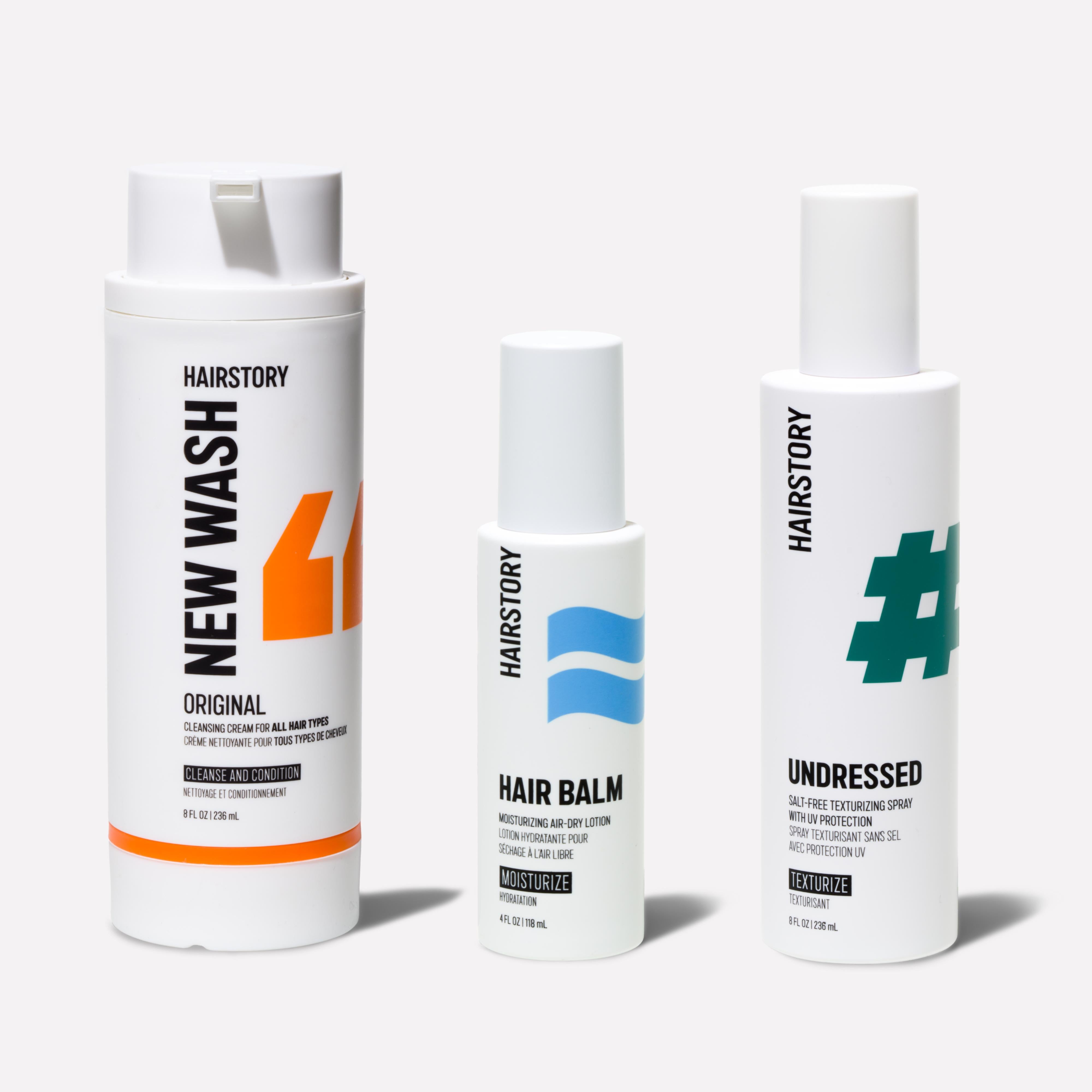
Hairstory New Wash boasts Aloe Vera juice at the top of the ingredient list alongside a wealth of essential oils and extracts that treat the scalp with the utmost respect and care. Many users report quick and permanent reduction of dandruff, and the inflammation it can bring. Sometimes it’s what you don’t do that makes the difference; in this case you won’t be using detergent of any kind that can be the cause of your scalp discomfort.
Apple cider vinegar
The power of apple cider vinegar is also well-supported by research and could keep scalp problems related to fungus or bacteria at bay – and stop the itchiness. The malic acid in ACV may help to shed excess dead skin cells on the scalp.
Make sure to use an unfiltered ACV with “the mother” (that cloud of sediment) in it. Processed varieties don’t provide the same benefits. To make a rinse, combine equal amounts of water and ACV and leave it in your hair after washing or rinse clean after a couple of hours. Alternatively, New Wash (Deep) – the Hairstory’s answer to cleaning the scalp challenges – is formulated with ACV for all of these reasons.
Coconut oil
With so many practical uses, coconut oil also has both antimicrobial and antifungal properties. Try applying a mask of about a tablespoon of extra virgin coconut oil to your scalp after shampooing twice a week. Leave it in for a few hours and then wash it out.
Raw honey
Antimicrobial and moisturizing to both skin and hair, raw honey is unprocessed and packed with vitamins and minerals, protein, and enzymes. Applying it to the scalp can be soothing and may prevent skin infections. Combine 2 tablespoons of raw, unfiltered honey with 3/4 cup of water. Stir to dissolve and rinse your hair with the mixture while using your fingers to massage it into the scalp.
DANDRUFF PREVENTION
Some tips to prevent dry scalp and dandruff:
- Whichever shampoo you use, be sure to rinse it out thoroughly to prevent further irritation or drying.
- Avoid hair products that contain harsh, drying chemicals, like bleach and alcohol – though fatty alcohols can be extremely moisturizing. That means hairspray is a no-no.
- Spend a few minutes in the sun every day. Evidence suggests that exposure to ultraviolet light can help control dandruff – and stimulate the production of Vitamin D that many of us are lacking in.
- Manage your stress with meditation, a physical practice such as yoga or qigong, and breathwork.
IN CONCLUSION
Flaking skin is a normal and essential process that never stops. The trick for dandruff sufferers is to get the scalp system back to a normal rate and achieve that “just right” balance of natural oils. Do your part; we’ll bet your scalp will meet you halfway.