What Shampoo Was Designed to Do
Modern shampoo was formulated to solve an industrial problem: removing the heavy product residue left by pomades, waxes, and styling aids that were standard before the mid-twentieth century. The sulfate surfactants used to accomplish this were effective and inexpensive, and they became the standard around which the entire shampoo category was built.
The residue problem those original formulas were designed to solve no longer exists for most people. The products have changed. The shampoo has not. Sulfate-based shampoo remains the dominant format in the category despite being fundamentally overbuilt for what most people actually need to remove from their hair with each wash.
The result is a product that strips more than it needs to, requires a separate conditioner to compensate for what it removed, and creates the conditions for the reactive oiliness, dryness, and dependency that drive people to search for something different.
The Most Common Shampoo Alternatives — And Their Limitations
People looking to replace shampoo typically encounter several options before finding one that actually works.
Co-washing with conventional conditioner is often the first alternative people try. It eliminates sulfate stripping and can work well initially, but conventional conditioners are formulated with silicones that accumulate on the hair shaft without a sulfate wash to remove them. Over time, hair becomes weighed down, dull, and unresponsive. The co-washing routine eventually breaks down and requires a sulfate cleanse to reset, which restarts the cycle.
Dry shampoo is not a shampoo alternative in any meaningful sense. It is a scalp-targeted powder or aerosol that absorbs oil and adds texture between washes. It does not cleanse, does not remove buildup, and used too frequently becomes its own source of scalp congestion and residue.
Baking soda rinses, popular in the no-poo community, are highly alkaline and disruptive to the scalp's natural pH. Regular use raises the cuticle, increases porosity, and causes structural damage that undermines the very hair health goals driving the switch.
Shampoo bars vary significantly in formulation. Many are made with soap-based cleansers that are even more alkaline than conventional shampoo and can cause significant buildup, particularly in hard water areas. Genuinely surfactant-free or low-sulfate shampoo bars exist but are not always easy to identify by marketing claims alone.
Water-only washing works as a maintenance method for some hair types in ideal conditions but provides insufficient cleansing for product residue, environmental pollutants, and meaningful sebum accumulation for most people.
What a True Shampoo Alternative Needs to Do
A genuine shampoo alternative needs to do everything shampoo claims to do, without the mechanism that causes the damage. It needs to remove dirt, excess oil, and product buildup effectively. It needs to leave the hair and scalp in better condition than it found them. It needs to work consistently enough to replace shampoo entirely rather than serving as a supplement to it.
This is the design brief for New Wash.
New Wash: Not an Alternative, a Replacement
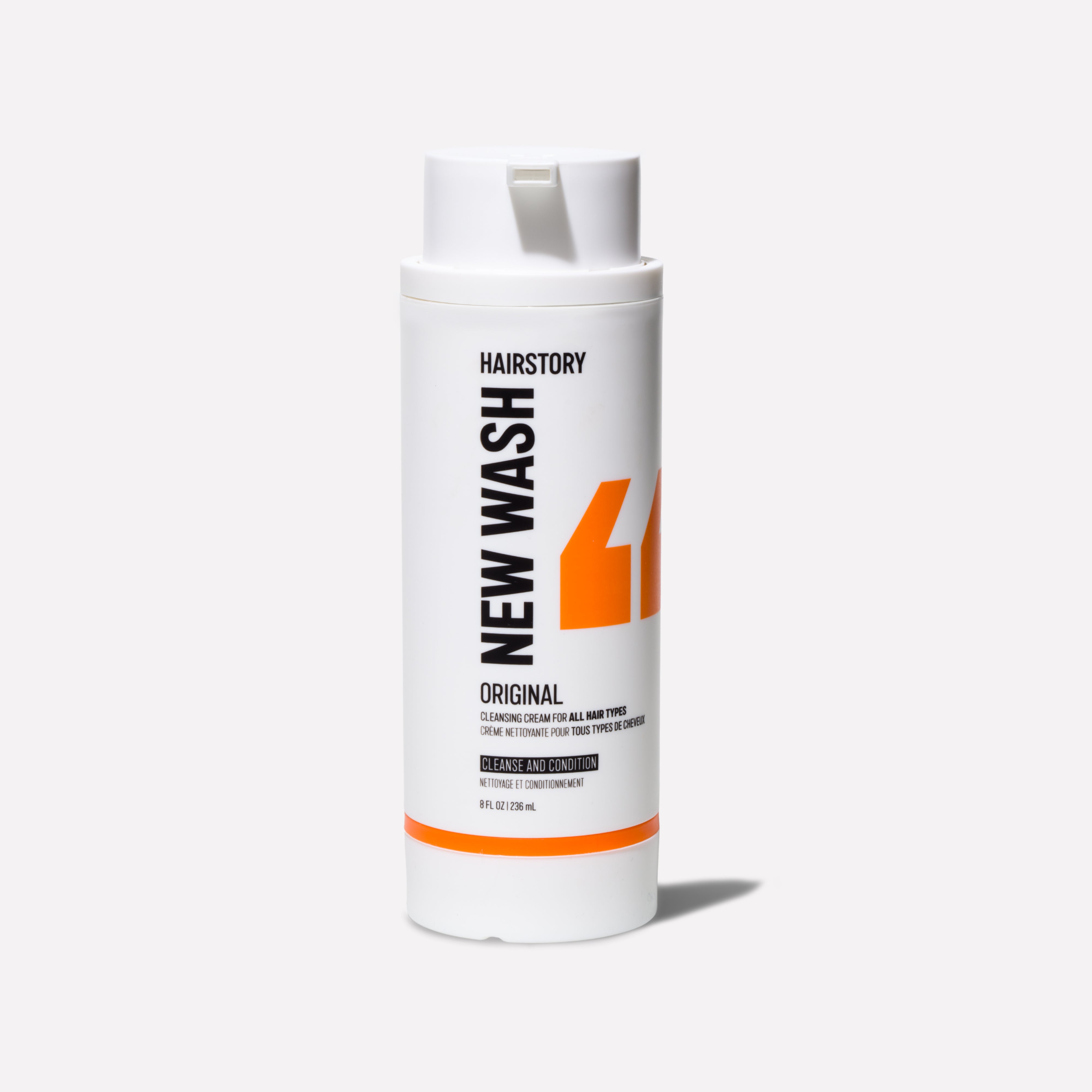
New Wash, Hairstory's cleansing conditioner, was built from the premise that the shampoo-then-conditioner model is structurally flawed and that a single well-designed formula could do both jobs better than two separate products doing them in opposition to each other.
It cleanses using gentle, plant-derived surfactants that remove buildup and excess oil without sulfate-level stripping. It conditions using emollient-based ingredients rather than silicone polymers, providing genuine moisture rather than a synthetic coating. It does not require a separate conditioner because it does not strip the hair of what the conditioner would need to replace.
For people who have been using shampoo for their entire lives, the experience of washing with New Wash is noticeably different. The lather is different. The immediate post-wash texture is different. The absence of the tight, squeaky-clean feeling that most people associate with a good wash is initially disorienting because that feeling is the sensation of stripping, not cleanliness.
Choosing the Right New Wash Formula
New Wash (Original) is the natural starting point for most people replacing shampoo for the first time. It provides effective cleansing for normal to moderately dry hair and is the right formula for the long-term maintenance of a balanced scalp. New Wash (Rich) is recommended for dry, coarse, or high-porosity hair that needs more intensive conditioning from a single step, or for anyone whose hair has been significantly depleted by extended sulfate use. New Wash (Deep Clean) is used as a transition wash when switching from conventional shampoo and conditioner with significant silicone buildup, and periodically thereafter, no more than once or twice a month, to clear accumulated residue and maintain the effectiveness of the regular formula.
The Adjustment Period
Replacing shampoo with New Wash comes with a transition period that typically lasts two to four weeks. During this time the scalp recalibrates its oil production from its previous strip-driven pace. Hair may feel or behave differently than expected. This is the same adjustment that occurs with any genuine shampoo alternative, and it resolves as the scalp finds its natural balance.
Using New Wash Deep Clean for the first one to two washes helps clear existing silicone buildup so that Original or Rich can work on clean strands from the start, which typically shortens and smooths the transition.
What Changes After Switching
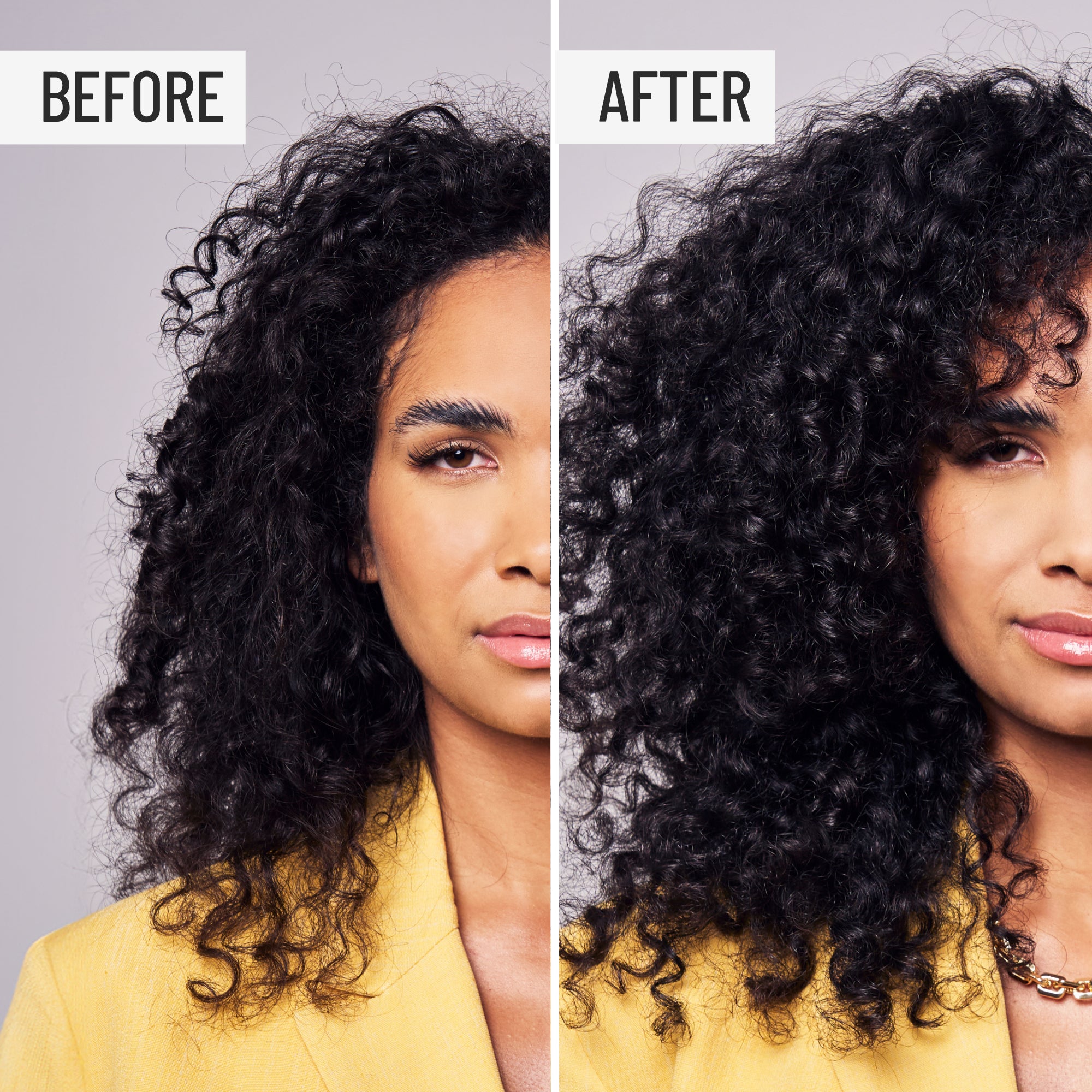
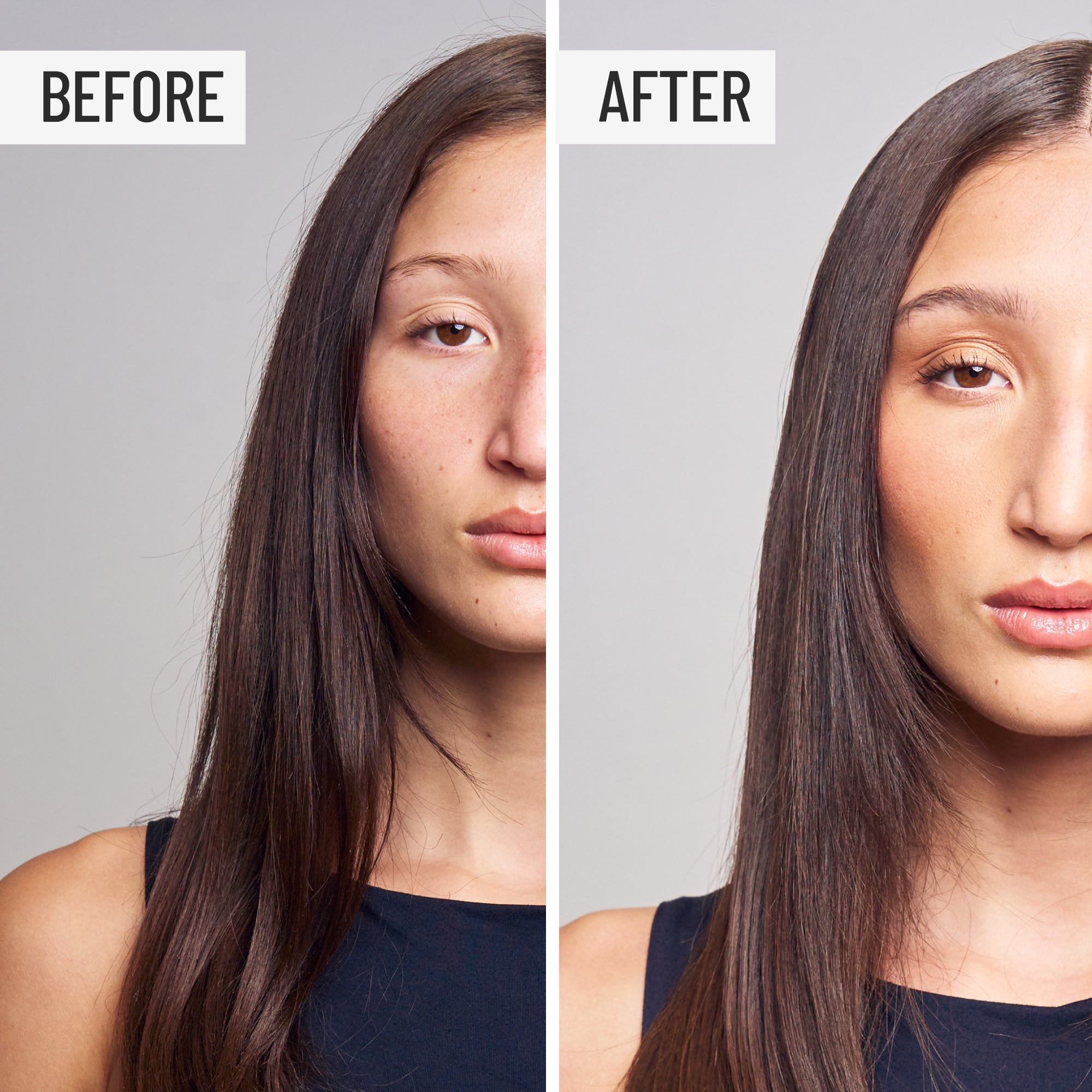
The changes that follow a successful shampoo replacement are consistent across hair types. Scalp reactivity decreases. Oil production normalizes, and hair stays cleaner between washes for longer. Wash frequency naturally reduces. Hair becomes progressively softer, more manageable, and more responsive to styling. Color-treated hair retains color longer. Dry scalp conditions typically improve as the moisture barrier is no longer being repeatedly stripped.
These outcomes are not marketing claims. They are the natural results of removing the ingredient driving the damage and replacing it with a formula that does the same job without it.
Completing the Routine
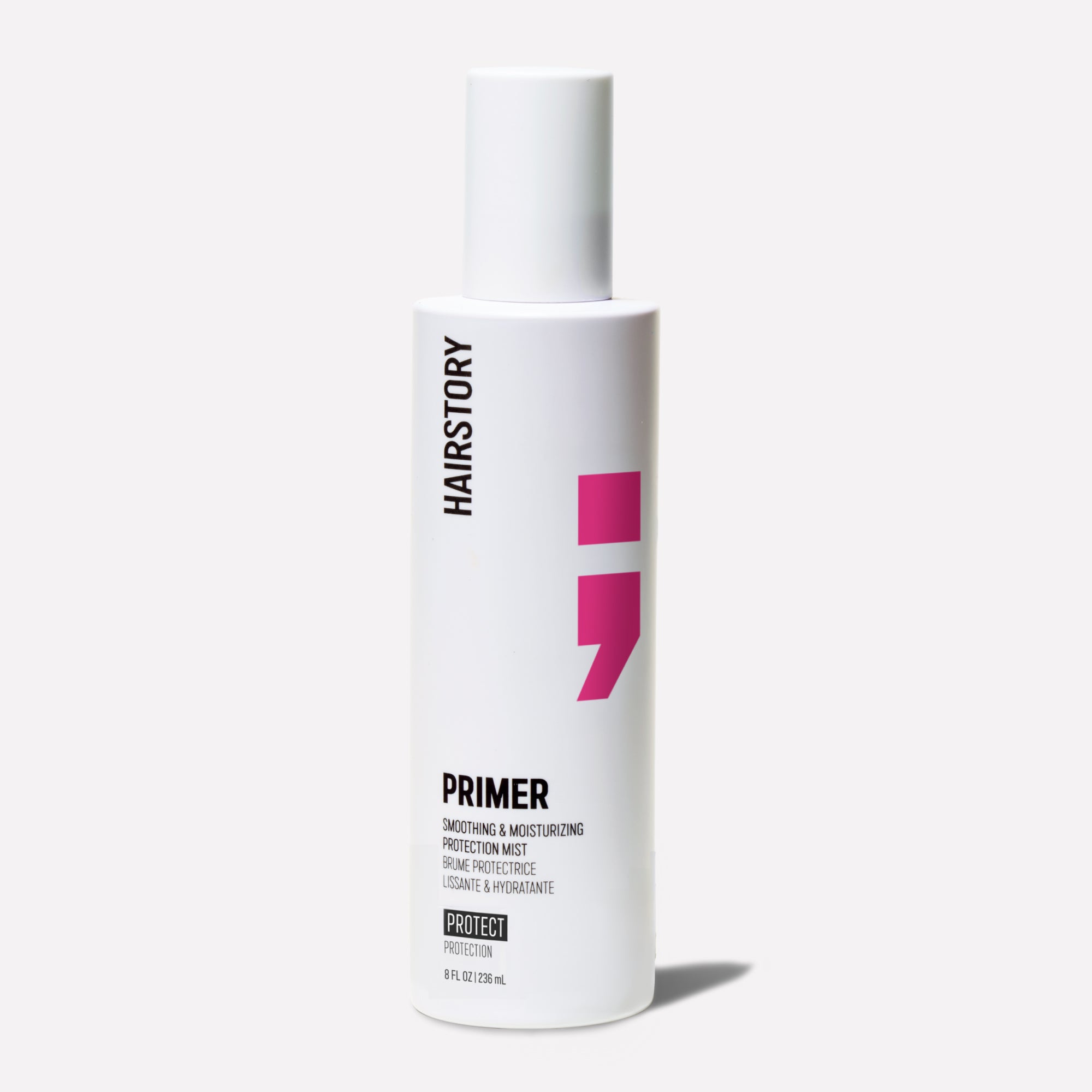
A complete shampoo-free routine with Hairstory is straightforward. New Wash replaces both shampoo and conditioner. Hair Balm provides leave-in moisture without silicones. Primer protects against heat before blow drying. Hair Oil finishes dry hair with shine and light frizz control. Undressed adds texture and volume without synthetic hold agents.
Every product is silicone-free, which means no ingredient in the full routine requires a sulfate cleanse to remove. The routine is self-consistent in a way that most shampoo-adjacent routines are not.