IDENTIFYING AND TREATING ALLERGIC REACTIONS TO SHAMPOO

IDENTIFYING AND TREATING ALLERGIC REACTIONS TO SHAMPOO

By Hairstory

Published on September 25, 2024 — 7 min read

Share this article

Home / The Archive / IDENTIFYING AND TREATING ALLERGIC REACTIONS TO SHAMPOO

Allergic reactions to personal care products are common. In fact, up to 20% of Americans experience an allergic skin reaction during their lives. Doctors call this contact dermatitis.

The immune system overreacts to chemicals considered harmless to most people, and hair cleansing products are, in fact, a common cause of contact dermatitis. An allergic reaction to shampoo can leave you with an itchy scalp and hair loss. Even with regular use without incident, a reaction is still possible.

WHAT MIGHT YOU BE ALLERGIC TO?

Shampoos are typically formulated with up to 30 ingredients, including surfactants which aid in cleansing and lathering, conditioners, active ingredients that soften the hair and scalp, additives to stabilize the formula and modify its effects, and fragrance.

Choosing haircare products with fewer ingredients is one way to reduce the risk—or at least narrow the possibilities and hone in on the culprit. Establishing a gentle haircare routine can help eliminate chemical irritants and boost hair growth.

According to one study, fragrance is the most commonly present allergen. The next most common is the cleansing agent cocamidopropyl betaine (CAPB), followed by preservatives with antifungal and antibacterial effects (methylchloroisothiazolinone/methylisothiazolinone or MCI/MI, dimethylol dimethyl [DMDM] hydantoin, diazolidinyl urea, quaternium-15) and finally preservatives (imidazolidinyl urea, Iodopropynyl butyl carbamate or IPBC, methyldibromo glutaronitrile/phenoxyethanol or MDBGN/PE).

Additionally, propylene glycol, a chemical solvent and emulsifying agent, the antioxidant vitamin E (tocopherol), and benzophenones, used to absorb UV light, are all potential allergens. These allergens can create shampoo allergy symptoms in people, leading to skin irritation and irritant dermatitis.

WHAT ARE THE SYMPTOMS OF AN ALLERGIC REACTION TO SHAMPOO?

Your skin will be the first to tell you that it has come in contact with an allergen. While symptoms usually appear within 48 hours, abnormal skin conditions can take up to a week after exposure to show. People have different allergic reactions to shampoo, but the most common adverse reactions take place in one or more areas of the eyelids, face, neck, scalp or upper back. Additional symptoms include:

  • Red, burning or itchy skin on the affected areas, specifically the scalp
  • Scaly patches that develop, especially on the scalp
  • Oozing blisters that appear on the scalp after shampooing
  • Swelling of the scalp or face following use of shampoo
  • Hives on the affected areas of the scalp
  • Sun sensitivity on the scalp that begins after using the shampoo
  • Rashes can also slow your hair growth rate, which can be frustrating when you don’t know why your hair isn’t growing.

    WHAT DO I DO IF I HAVE AN ALLERGIC REACTION?

    Call your doctor to set up an appointment. A thorough physical exam focused on questions about your symptoms may provide your doctor with everything they need to diagnose your condition. Your doctor may suggest that you consult an allergist for a patch test to further narrow down your allergy.

    What is a patch allergy test?

    A patch test involves applying small samples of potential irritants onto your back and monitoring the areas for any effects such as a rash. If you are experiencing any shampoo allergy symptoms, this test can help identify the specific cause.

    Patch testing for a shampoo allergy isn’t easy. Sensitive skin tends to have a stronger skin reaction leading to more severe allergy symptoms. Several allergens in shampoo have not yet been included in current lists of suspects and may result in testing with the shampoo itself rather than its individual ingredients.

    If you know that you are especially chemically sensitive, this is something your colorist could do to gauge the effects of color chemicals on your system. Many permanent and some semi-permanent dyes contain paraphenylenediamine (PPD), which is the most common cause of allergic reactions. Milder, alternative options include temporary color and henna.

    Keep track of your symptoms to help with a diagnosis

    Take note of these details:

    • What were you doing in the days and hours before your outbreak?
    • Which product(s) were you using before the reaction occurred?
    • How much and how often were you using the product(s)?
    • Where on your body did you use the product(s)?
    • What symptoms do or did you have?
    • Have you experienced skin reactions before?
    • What treatments, if any, have you undergone to address previous reactions?

    What are the treatments for a shampoo allergic reaction?

    Once you know what you’re allergic to, be thorough in your efforts to avoid it. If you use shampoo to wash hair daily, decreasing the frequency of use should be your first action.

    • After contact, wash thoroughly with hypoallergenic soap and water as soon as possible, and wash your hands before touching any other part of your body.
    • Remove and wash clothes or jewelry that the irritant may have touched.
    • Treat mild reactions with aloe vera, calamine lotion or antihistamine- or cortisone-based ointments.
    • Prescription medications are available for more severe reactions if needed.

    PREVENTING FUTURE ALLERGIC REACTIONS TO SHAMPOOS

    If you know that your skin is especially sensitive historically, avoid synthetic fragrance or search for fragrance-free products. Avoiding a specific chemical then can be impossible if you don’t know it’s there. To be completely risk-free, choose products that are labeled fragrance-free. Shampoos contain a wide variety of potential allergens, and for people with sensitive skin or who are allergic to multiple ingredients in a formula, finding a hypoallergenic shampoo isn’t easy.

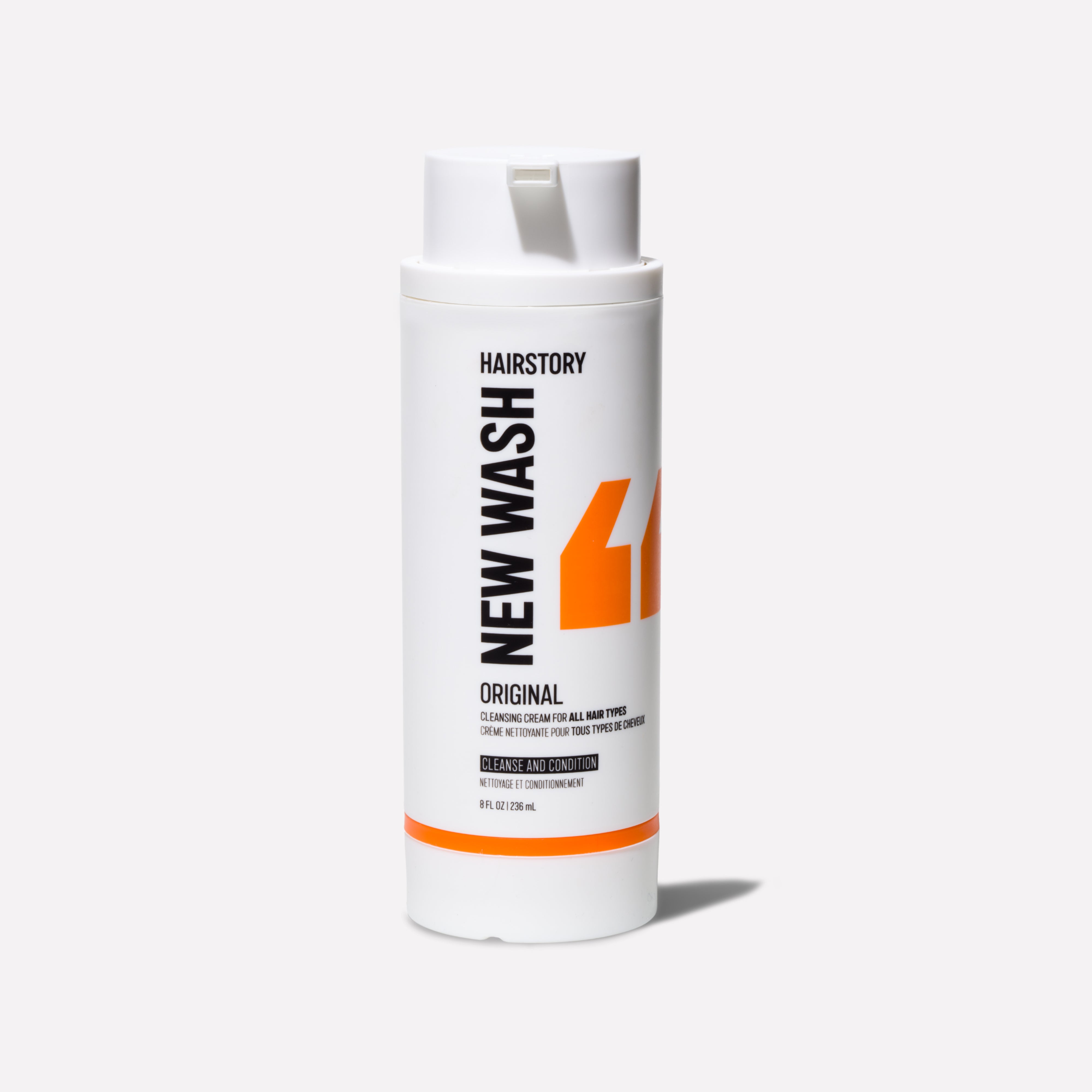
    However, there is hope in New Wash—our cleansing cream that is about as different from shampoo as one can get.

    • New Wash contains no detergent whatsoever. This eliminates potential allergies and surfactants.
    • The preservative system used for New Wash is completely natural.
    • The New Wash fragrance recipe is composed primarily of essential oils and extracts, and every ingredient is listed on the packaging. That way you know this fragrance trade secret is safe, and so is your scalp.

    Hairstory New Wash

    shop the collection
    View More Information
    New Wash Original
    New Wash Original
    Learn More

    New Wash Original

    CLEANSING & CONDITIONING CREAM FOR ALL HAIR TYPES
    8oz
    View More Information
    FOR DRY HAIR
    New Wash Rich
    New Wash Rich
    Learn More

    New Wash Rich

    CLEANSING & CONDITIONING CREAM FOR THICK, COARSE AND CURLY HAIR
    8oz
    View More Information
    FOR OILY HAIR
    New Wash Deep Clean
    New Wash Deep Clean
    Learn More

    New Wash Deep Clean

    CLEANSING & CONDITIONING CREAM FOR OILY AND FINE HAIR
    8oz
    View More Information
    New Wash Fragrance Free 8oz bottle
    New Wash Fragrance Free 8oz bottle
    Learn More

    New Wash Fragrance Free 8oz bottle

    CLEANSING & CONDITIONING CREAM FOR ALL HAIR TYPES
    8oz
    View More Information
    New Wash Original Refill
    New Wash Original Refill
    Learn More

    New Wash Original Refill

    CLEANSING & CONDITIONING CREAM FOR ALL HAIR TYPES
    8oz 20oz 32oz
    View More Information
    FOR DRY HAIR
    New Wash Rich Refill
    New Wash Rich Refill
    Learn More

    New Wash Rich Refill

    CLEANSING & CONDITIONING CREAM FOR THICK, COARSE AND CURLY HAIR
    8oz 20oz 32oz
    View More Information
    FOR OILY HAIR
    New Wash Deep Clean Refill
    New Wash Deep Clean Refill
    Learn More

    New Wash Deep Clean Refill

    CLEANSING & CONDITIONING CREAM FOR OILY AND FINE HAIR
    8oz 20oz 32oz
    View More Information
    New Wash Fragrance Free 20oz refill
    New Wash Fragrance Free 20oz refill
    Learn More

    New Wash Fragrance Free 20oz refill

    CLEANSING & CONDITIONING CREAM FOR ALL HAIR TYPES
    20oz
    View More Information
    20% SAVINGS
    New Wash Method for All Hair Types
    New Wash Method for All Hair Types
    Learn More

    New Wash Method for All Hair Types

    CLEANSING & CONDITIONING KIT
    3 Product Set
    View More Information
    20% SAVINGS
    New Wash Method Fragrance-Free for All Hair Types
    New Wash Method Fragrance-Free for All Hair Types
    Learn More

    New Wash Method Fragrance-Free for All Hair Types

    CLEANSING & CONDITIONING KIT
    3 Product Set
    View More Information
    BEST-SELLER
    Pre-Wash
    Pre-Wash
    Learn More

    Pre-Wash

    PREBIOTIC MICELLAR SCALP RINSE
    4oz 8oz
    View More Information
    20% SAVINGS
    New Wash Method for Dry Hair
    New Wash Method for Dry Hair
    Learn More

    New Wash Method for Dry Hair

    CLEANSING & CONDITIONING KIT
    3 Product Set
    View More Information
    20% SAVINGS
    New Wash Method for Oily Hair
    New Wash Method for Oily Hair
    Learn More

    New Wash Method for Oily Hair

    PRE-WASH, NEW WASH DEEP CLEAN AND SCALP BRUSH
    3 Product Set
    View More Information
    Massaging Scalp Brush
    Massaging Scalp Brush
    Learn More

    Massaging Scalp Brush

    SOOTHING SCALP BRUSH FOR NEW WASH
    Clear
    View More Information
    BEST-SELLER
    Pre-Wash
    Pre-Wash
    Learn More

    Pre-Wash

    PREBIOTIC MICELLAR SCALP RINSE
    4oz 8oz
    View More Information
    FOR RED TONES
    Red Enhancing Color Boost Starter Set with New Wash Original
    Red Enhancing Color Boost Starter Set with New Wash Original
    Learn More

    Red Enhancing Color Boost Starter Set with New Wash Original

    8OZ BOTTLE NEW WASH ORIGINAL, RED COLOR BOOST, SPATULA AND COLOR RING
    4 Product Set
    View More Information
    FOR BROWN TONES
    Brunette Perfecting Color Boost Set with New Wash Original
    Brunette Perfecting Color Boost Set with New Wash Original
    Learn More

    Brunette Perfecting Color Boost Set with New Wash Original

    8OZ BOTTLE NEW WASH ORIGINAL, BLUE COLOR BOOST, SPATULA AND COLOR RING
    4 Product Set
    View More Information
    FOR RED TONES
    Red Enhancing Color Boost Starter Set with New Wash Rich
    Red Enhancing Color Boost Starter Set with New Wash Rich
    Learn More

    Red Enhancing Color Boost Starter Set with New Wash Rich

    8OZ BOTTLE NEW WASH RICH, RED COLOR BOOST, SPATULA AND COLOR RING
    4 Product Set
    View More Information
    FOR BROWN TONES
    Brunette Boosting Starter Set with New Wash Rich
    Brunette Boosting Starter Set with New Wash Rich
    Learn More

    Brunette Boosting Starter Set with New Wash Rich

    8OZ BOTTLE NEW WASH RICH, BLUE COLOR BOOST, SPATULA AND COLOR RING
    4 Product Set
    View More Information
    New Wash Dispenser
    Learn More

    New Wash Dispenser

    32OZ NEW WASH DISPENSER
    32oz
    View More Information
    FOR SENSITIVE SKIN
    New Wash Fragrance Free Refill Set 20oz
    New Wash Fragrance Free Refill Set 20oz
    Learn More

    New Wash Fragrance Free Refill Set 20oz

    CLEANSING & CONDITIONING CREAM FOR ALL HAIR TYPES
    8oz Bottle + 20oz
    View More Information
    New Wash Original Purple
    New Wash Original Purple
    Learn More

    New Wash Original Purple

    DETERGENT-FREE CLEANSING CREAM FOR BLONDE TONES - ALL HAIR TYPES
    8oz

    Frequently Asked Questions

    • Can you be allergic to shampoo?
      Yes, allergic reactions to shampoo are a common form of contact dermatitis, which affects up to 20% of Americans at some point in their lives. The immune system overreacts to ingredients that are harmless to most people, and because shampoos are typically formulated with up to 30 ingredients, the chance of encountering an allergen is significant. A reaction can occur even after years of using the same product without issue.
    • What ingredients in shampoo most commonly cause allergic reactions?
      Fragrance is the most commonly identified shampoo allergen, followed by the surfactant cocamidopropyl betaine (CAPB). Preservatives such as MCI/MI, DMDM hydantoin, diazolidinyl urea, quaternium-15, imidazolidinyl urea, IPBC, and MDBGN/PE are also frequent triggers. Other potential culprits include propylene glycol, vitamin E (tocopherol), and benzophenones used as UV absorbers.
    • What are the symptoms of an allergic reaction to shampoo?
      Symptoms usually appear within 48 hours of exposure but can take up to a week to develop, and most often show up on the eyelids, face, neck, scalp, or upper back. Common signs include red, burning, or itchy skin, scaly patches, oozing blisters, swelling, hives, and new sun sensitivity on the scalp. In some cases, the resulting irritation can even slow your hair growth rate.
    • What should I do if I have an allergic reaction to my shampoo?
      Stop using the product immediately and contact your doctor, who can examine your symptoms and may refer you to an allergist for a patch test. Wash the affected area thoroughly with hypoallergenic soap and water, and remove any clothing or jewelry that touched the irritant. Mild reactions can often be soothed with aloe vera, calamine lotion, or antihistamine- or cortisone-based ointments, while more severe reactions may require prescription treatment.
    • What is a patch test for a shampoo allergy?
      A patch test involves applying small samples of suspected irritants to your back and monitoring those areas over several days for any reaction such as a rash. It helps pinpoint the specific ingredient causing the problem when shampoo allergy symptoms appear. Because some shampoo allergens aren't included on standard testing panels, your allergist may need to test the shampoo itself rather than its individual components.
    • How can I prevent allergic reactions to shampoo?
      Choose haircare products with fewer ingredients, avoid synthetic fragrance, and look for fragrance-free or hypoallergenic formulas if your skin is historically sensitive. Decreasing how often you wash your hair can also reduce exposure to potential irritants. Reading full ingredient lists and avoiding known triggers like CAPB, formaldehyde-releasing preservatives, and propylene glycol is the most reliable form of prevention.
    • Is there a shampoo alternative for people with sensitive skin or allergies?
      Yes — New Wash by Hairstory is a detergent-free cleansing cream that eliminates many of the most common allergens found in conventional shampoo. It contains no detergent or surfactants, uses a completely natural preservative system, and its fragrance is composed primarily of essential oils and extracts, all of which are listed on the packaging. This makes it a strong option for anyone seeking a sulfate-free, gentler way to wash their hair.
    • Can hair dye cause an allergic reaction too?
      Yes, many permanent and some semi-permanent hair dyes contain paraphenylenediamine (PPD), which is the most common cause of allergic reactions to color. If you know you're chemically sensitive, ask your colorist to perform a patch test before any color service. Milder alternatives include temporary color and henna, which are far less likely to provoke a reaction.

    SO, WHAT’S YOUR STORY?

    Answer a few (easy) questions to get your personalized routine.