This may sound like a crazy question, but should you wash your hair or not? As the news about the adverse effects of shampoo spreads, more and more people are starting to search for alternatives to detergents – hair cleansing, co-washing, water only hair washing, or just not washing hair.
What actually works, and how? Read on to get the lay of the no-lather land.
First of all, sudsless washing is more than a trend; it’s a return to how often our ancestors probably washed. Daily washing is a relatively modern phenomenon that fails to take the most important factor for healthy hair into account: a healthy scalp.
WHY SKIP SHAMPOO?
Uing shampoo every day has been known to strip your hair of important oils. This is because traditional shampoos contain powerful detergents, which can cause scalp irritation or even an allergic reaction. Over-cleansing signals the oil glands on your scalp to ramp up production, thrusting your scalp into a vicious cycle that keeps you dependent on daily washing to manage oily hair.
The need for washing is an individual matter with many variables to consider: hair texture, hormonal activity, exercise habits, and genetics. The only way to know how your hair will respond to not washing it is to give no-washing a try. Here are the challenges and rewards that most people can expect from not washing hair.
WHAT HAPPENS WHEN YOU STOP WASHING?
For those with finer, straighter hair, three days without washing may leave your hair showing the accumulated dirt, oil, and hair products that you’re not cleansing away. This is what many refer to as greasy hair. Those with coarse or curly hair may not notice much of a difference even after 10 days of washing without shampoo. Co-washing curly hair has also gained popularity and is another great alternative to shampooing.
Ater a week or more of skipping the suds, you may notice a subtle sour milk smell as a result of moisture trapped against your scalp and hair. Natural oils combined with perspiration provides an ideal environment for odor-producing bacteria to thrive.
The need for washing is an individual matter with many variables to consider: hair texture, hormonal activity, exercise habits, and genetics.
At this point, aside from the smell, the skin cells on your scalp are likely building up and may cause a dry, itchy feeling; this means that you’ll need to find a method – that’s not detergent – to exfoliate your scalp.
Co-washing has become a popular alternative to traditional hair washing methods. But what is co washing and how does it work? Co-washing means conditioner-only washing, which can have a mild cleansing effect and can sometimes allow you to go up to a month without shampoo. This method is the most effective if you know how to co wash properly. Die-hards who practice water-only washing – no shampoo or conditioner products used at all – need to be mindful of bacteria getting trapped in the hair follicles and causing an infection. Additional risks include ingrown hairs and seborrhoeic dermatitis, a severe form of dandruff accompanied by patchy redness and frequent itching.
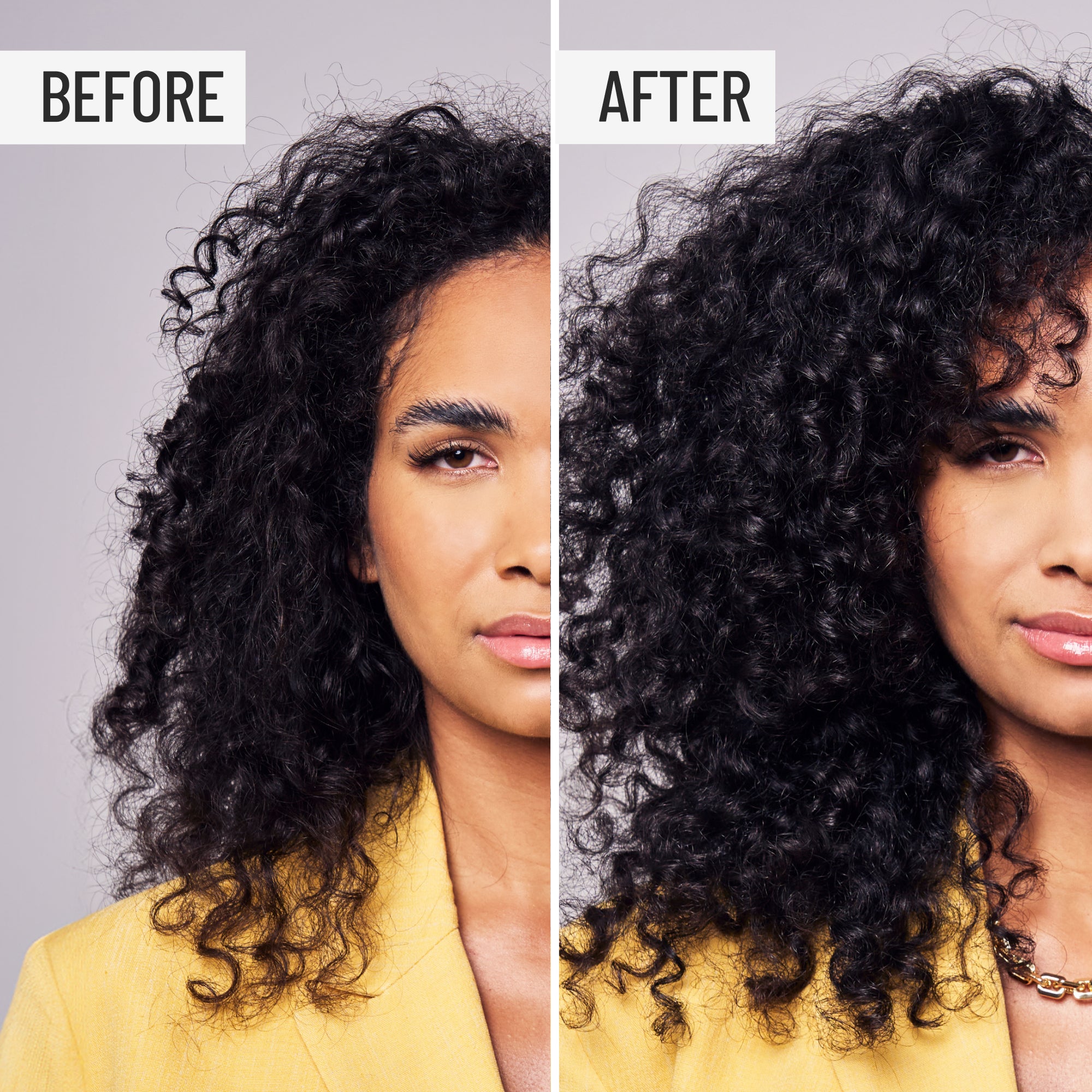
Many no-washers report a “breakthrough” when the scalp normalizes and hair starts to look fuller, shinier, and healthier.
WHICH HAIR PRODUCTS SHOULD I USE?
In response to shampoo-savvy consumers, the hair industry created a new class of cleansers called “cleansing conditioners,” “low-poos,” and even “no-poos,” by adding dashes of detergents, commonly found in shampoo, to cremes and lotions to blunt the potential damage.
Thick, curly, or naturally dry hair can respond to any conditioner, labeled as cleansing or not. But the finer and oilier your hair is, the more cleansing power you may require to wash your hair.
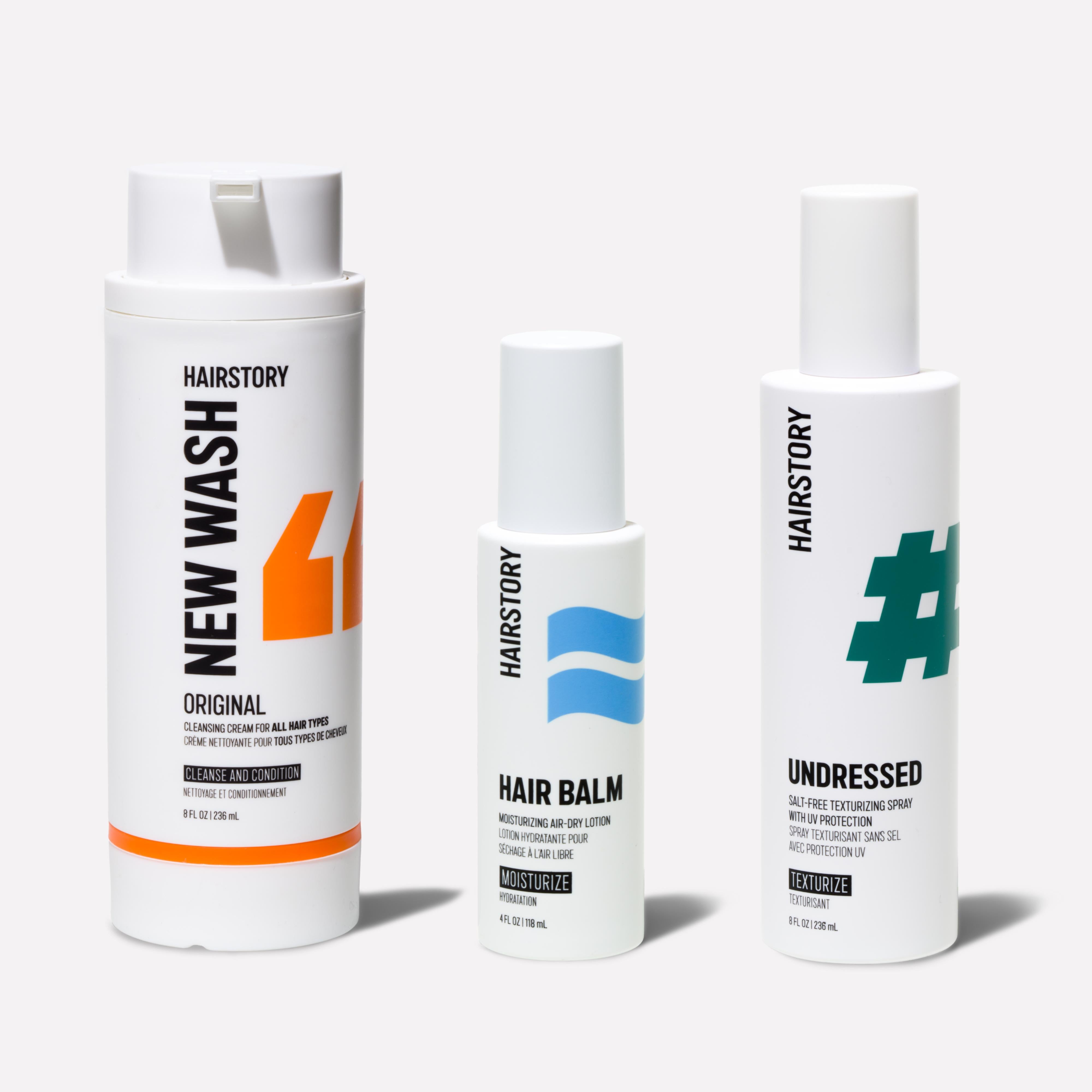
There is another alternative: Oil-based cleansing has been practiced in facial care for decades and it needn’t stop at the hairline. Now is the time to ditch shampoos and conditioners that strip your hair of its oil, and turn to a natural hair care alternative. One product called New Wash is formulated completely without detergent and relies instead on a blend of essential oils and extracts with Aloe Vera to dissolve impurities, refresh the scalp, and achieve a balanced oil response in order to clean hair. In fact, people with scalp issues, exacerbated by shampoo call it “life-changing.”
Getting your scalp to re-stabilize and find a new normal can take some time. Its natural intelligence, however, will ultimately win out, and our best advice to healthier hair is to take it one wash at a time – and chart your own course to clean hair.