You wash your hair. It foams up into a thick lather, and that feels like proof it's working. That feeling is the whole problem, and it's the reason we say if it foams, it strips.
Our co-founder Mauricio Bellora holds a doctorate in Pharmaceutical and Biochemical Sciences, and has studied, researched and asserted that foam, a result of detergents, is one of the most misunderstood signals in the haircare industry.
What Foam Actually Is
Foam in its most original definition is what happens when air gets trapped in liquids. A basic example: when you wash your hands, you see foam. But you also see sea foam on the beach, on beer heads, and when you whisk eggs. In each of those cases, something is trapping air, but nothing is doing the work of lifting oil off a surface. Something in each of those liquids is stabilizing that trapped air long enough for you to see it. In eggs, unfolded proteins; on the beach, dissolved organic compounds. What none of them are doing is removing oil from a surface, which is the difference that matters most here.
So when we say if it foams, it strips, we're not talking about foam in general. We're talking about foam that comes from a surfactant doing detergency, emulsifying and removing oil, not foam that's just a byproduct of agitation or protein.
What Is a Surfactant?
Surfactants are a massive family of molecules that solve a problem water can't solve on its own: removing oil. Some are natural. Some are synthetic. Every surfactant molecule has a water-loving head and a water-repelling tail. The tails poke into the oil blob like pins into a pincushion with the heads sticking straight out into the water. Really, the whole thing looks like a spiky ball with oil trapped inside so it can be ready to wash away the dirt.
Foam is a sign that the surface tension of liquids has been lowered a lot. A quick recap on surface tension. Have you ever seen a bug hopping across a pond? It's because water is chemically strong. That strength comes from hydrogen bonding (water molecules holding tightly onto each other at the surface). All the molecules stick together and basically act like a trampoline for the bug. When some other molecule, like surfactants, interact with water, the strength is lowered and is prone to taking on new shapes like bubbles and suds.
Why Foam Predicts Stripping
Not all surfactants strip your skin, but detergents do and they're aggressive. Detergents are a synthetic and engineered surfactant. It has been observed, researched and studied that foam, in the cosmetic and haircare industry, is an indicator that detergents are present and active. The reason the two track together is structural: the same molecular property that lets a surfactant grab onto air and stabilize a bubble, a strongly hydrophilic head pulling hard against a hydrophobic tail, is what lets it grab onto oil and pull it off a surface. A surfactant that foams aggressively is, by the same chemistry, a surfactant that lifts oil aggressively. That's not a coincidence anyone had to discover twice; it's one property showing up in two visible ways.
Foam only forms once a thermodynamic threshold is crossed, and its presence indicates that surfactants, or tensioactives, are active. Tensioactive is just another name for surfactant: anything that reduces interfacial tension.
The Detergent Behind Most Shampoo
It's about disliking the detergents. Most commonly, Sodium Lauryl Sulfate (SLS) which causes irritation. SLS irritates because its cleaning power comes from the same aggressive detergency that strips sebum: it doesn't distinguish between the oil on a stain and the oil your skin and scalp actually need. It's found in personal care products, industrial cleaners and household cleaning products. While SLS is helpful for industrial-level and grime-level cleaning, it's not helpful for personal care products.
To avoid irritation, the industry replaced SLS with other strong detergents that might irritate less but still strip the hair. Sodium laureth sulfate, ammonium lauryl sulfate, sodium C14-16 olefin sulfonate: the names change, but the sebum threshold gets crossed the same way.
If It Foams, It's a Detergent
Not all surfactants are bad, but the ones that are bad are detergents. The primary cleansing surfactant in conventional shampoo is a detergent. You know that by understanding that foam is an indicator that a threshold has been aggressively crossed: the behavior of what would be a detergent. Disliking foam isn't about the foam itself being bad; it's foam acting as a proxy signal for surfactant strength.
What our research backs, supports and claims: if a shampoo foams, it's a detergent. If it's a detergent, it crosses the sebum threshold. If it crosses the sebum threshold, it strips. The foam isn't a sign that the product is working well. It's a sign that it's working too hard.
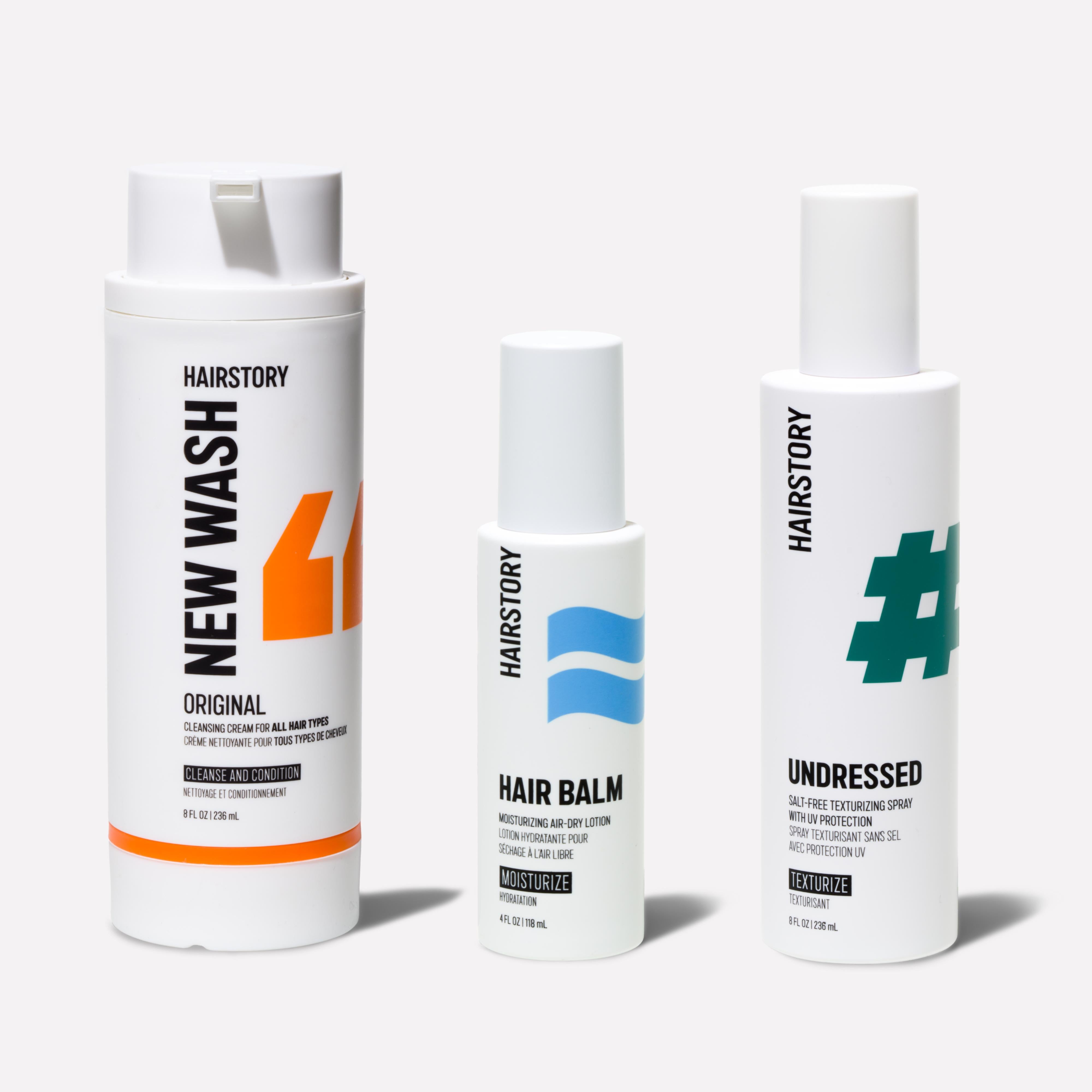
Mo walked through exactly what that stripping looks like wash by wash in The Strip-and-Restore Trap: dyed hair rinsed with New Wash a hundred times came out visually indistinguishable from an untouched control, while a conventional shampoo faded the same dye within ten washes.
What Stripping Does to Hair
None of this makes foam bad. Foam is a byproduct, not a moral failing. The same physics that lifts oil off your hands in the sink is doing its job when you see suds in the shower. The only question is whether that's the job you actually want done to your hair every time you wash it.
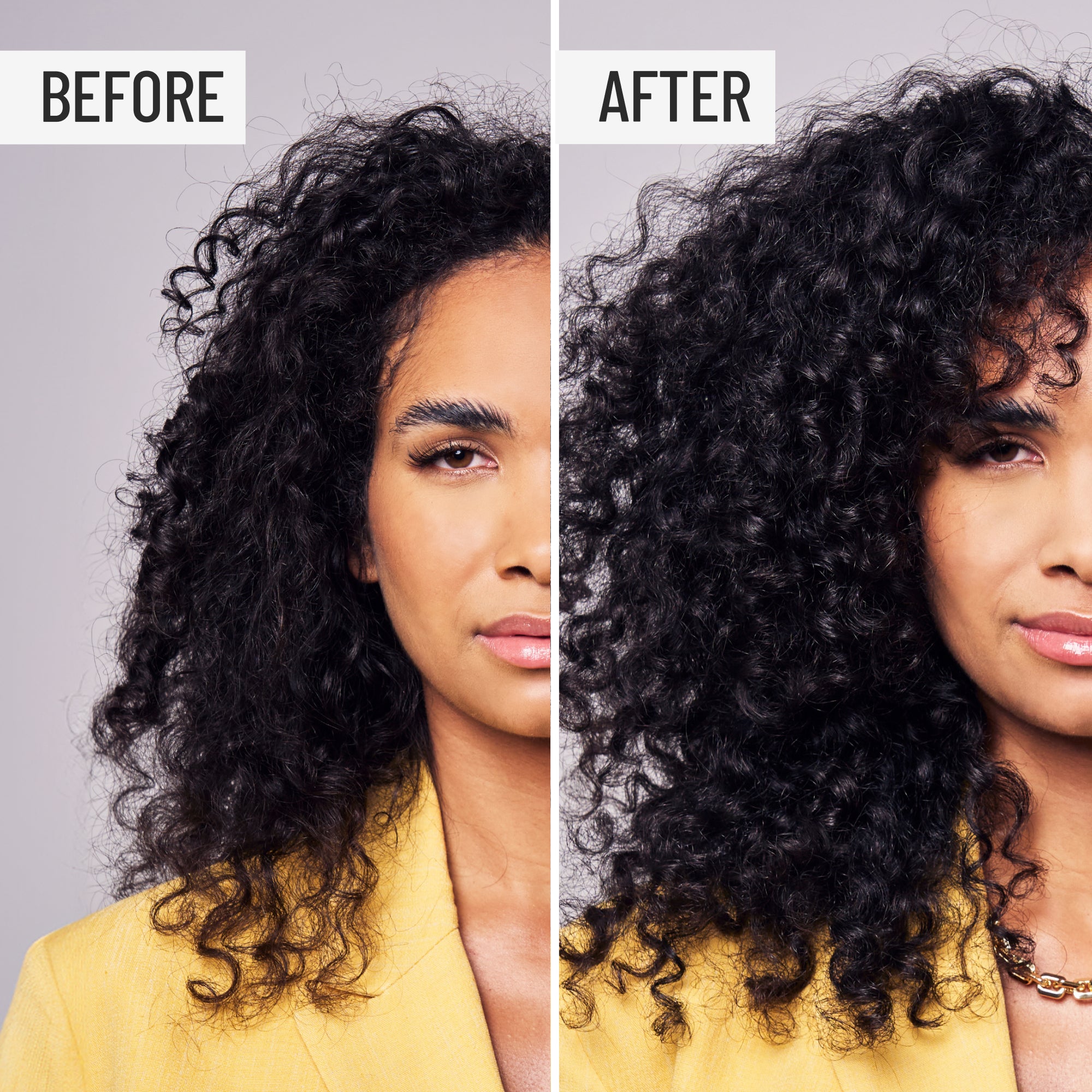
Once that sebum film is gone, the cuticle scales that were lying flat against the fiber lift up, and the fiber's surface picks up a net negative charge with nothing left to neutralize it. Strands that used to lie together start repelling each other instead. That's the frizz, the tangling, the flyaways people spend a separate step of their routine trying to fix. Not a hair type, but the direct, mechanical aftermath of what the detergent already did in the shower. Mo goes deeper on the charge mechanism in Why Is My Hair Always Frizzy?
So the next time you're standing under the water and see a mountain of lather, don't ask whether it's working. Ask what it's working on.
Keep Reading
- The Surfactant Spectrum: Why No Detergent Is Mild Enough
- WTF Are Detergents and Surfactants? What's Really in Your Shampoo
- Everything You Need to Know About Detergent
- Flakes, Frizz, and Failed Fixes? Your Scalp Is Trying to Tell You Something
The information in this article is for educational purposes only and is not intended as medical advice. Always consult a board-certified dermatologist or qualified healthcare provider if you have concerns about your hair or scalp health.