How to Keep Hair Color Fresh Between Appointments
You leave the salon and your hair color looks perfect. For about a week. Sound familiar? Hair color fades because pigment molecules either wash out, break down or oxidize. Everyday factors like water, UV exposure, heat styling and harsh washing all speed up this process.
Keeping your color vibrant isn't about using more products that swear they'll preserve it for months. It's about protecting the hair cuticle and minimizing structural stress. That's the real strategy. Whether you're blonde, brunette, copper or rocking a vivid shade, color longevity comes down to how well you preserve the hair fiber itself. Let's break down what actually makes color fade—and what you can do to make it last!
Why Does Hair Color Fade So Fast?
When you color your hair, pigment molecules are deposited inside the cortex, beneath the cuticle layer. Permanent dyes lift the cuticle and use an oxidizing agent (usually hydrogen peroxide) to alter natural pigment before depositing artificial color. Semi-permanent dyes coat and partially penetrate the shaft. Either way, the cuticle is disrupted.
A lifted cuticle makes it easier for pigment molecules to escape. So every time hair swells with water, small amounts of dye can leach out. Cosmetic chemistry research shows repeated washing significantly reduces color intensity—especially in the first 10 washes.
Color fading is largely a cuticle issue. The smoother and more intact your cuticle, the longer your pigment stays put.
How Often Should You Wash Colored Hair?
Frequent washing can accelerate fading, but the type of cleanser matters more than the calendar. Water alone causes hair to swell. Strong surfactants (like shampoo detergents), combined with that swelling, strip away surface lipids and make the cuticle more permeable. Over time, repeated swelling and drying cycles weaken the fiber and increase porosity.
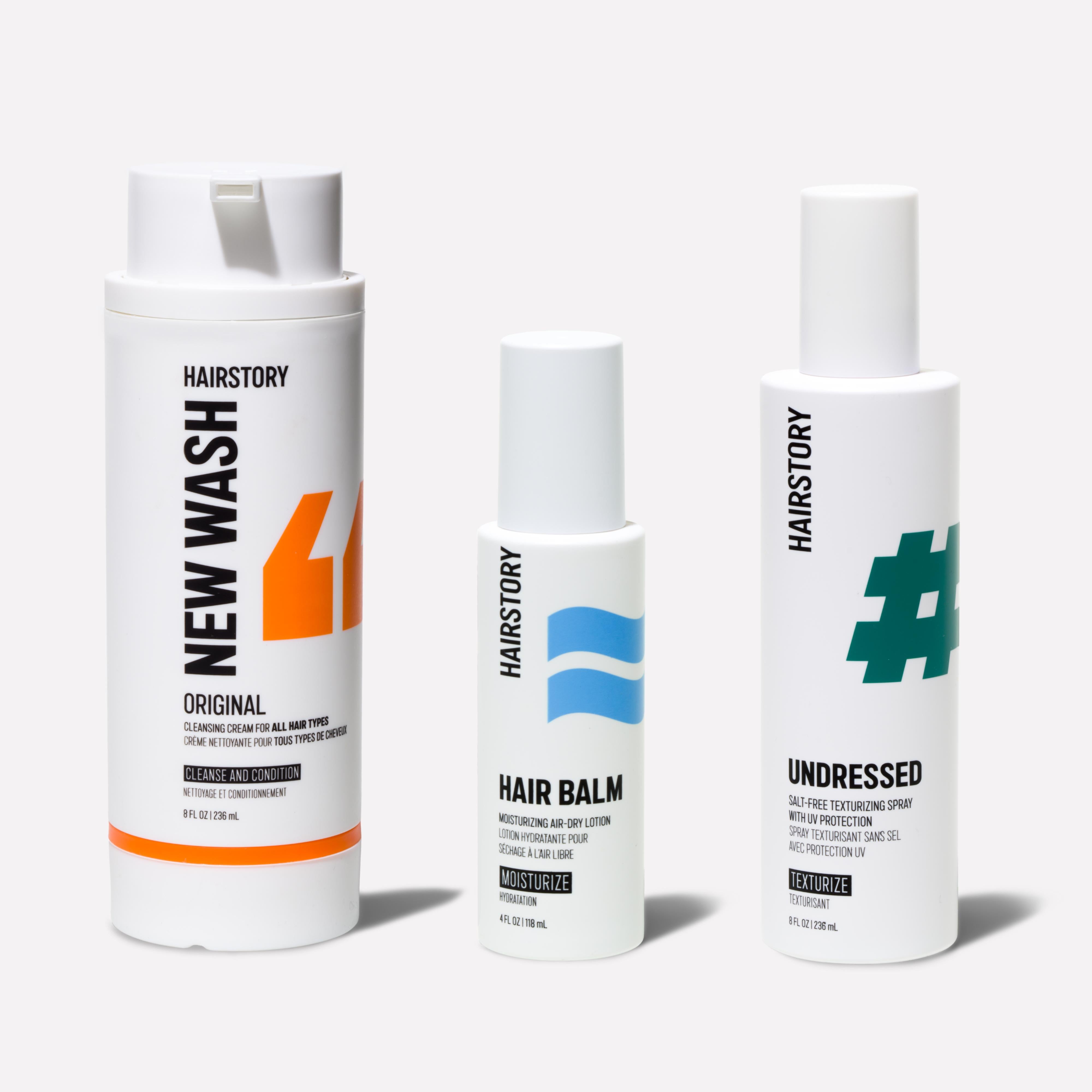
If your color fades quickly, it may not be "washing too often"—it may be washing too aggressively. A gentle, detergent-free cleanser like New Wash removes buildup without harshly swelling the cuticle. The goal isn't to avoid washing; it's to reduce structural disruption.
Does Hot Water Fade Hair Color?
Yes. Hot water lifts the cuticle and accelerates swelling. While there's no single temperature where fading suddenly begins, water above 120°F (49°C) can increase dryness and cuticle disruption for some people. Lukewarm water is generally better, and a cooler final rinse can help the cuticle lie flat. Temperature affects structure, and structure affects retention.
How Heat Tools Affect Color
Heat styling impacts more than texture—it affects pigment stability. Hair proteins start weakening around 320°F (160°C), and most styling tools reach 350–450°F (177–232°C). High heat evaporates internal moisture, stresses the structure and can degrade pigments.
Blondes may notice brassiness; reds often fade faster because their dye molecules are larger and less stable. Using lower temperatures and heat protectants consistently makes a measurable difference over time.
Why Color-Treated Hair Feels Drier
Coloring your hair is essentially like giving it a chemical makeover. The process opens up the hair cuticle so the pigment can sink in, which is how you get that fresh, vibrant color. Even when done professionally, this creates some structural disruption—your hair isn't necessarily broken, but it's a little more fragile than it was before.
Chemically treated strands often have reduced tensile strength, which basically means they're less able to stretch without snapping. The result? Hair that feels drier, more porous and a little rougher to the touch. So moisture escapes faster, frizz shows up more easily and the risk of breakage goes up. That's why color-treated hair often needs extra care to stay soft, shiny and strong.
Another thing to know: color retention and moisture retention are closely linked. When your hair loses moisture, it can make the color fade faster. So keeping your strands hydrated doesn't just make them feel smoother, it helps your color last longer too.
With a few thoughtful tweaks in your routine, you can keep your hair feeling healthy and vibrant between salon visits.
How to Keep Hair Color Fresh Longer
Lower Your Styling Tool Temps: Stay closer to 300–320°F (149–160°C) or below when possible. Most hair doesn't need max heat.
Reduce Washing Aggression: Use a gentle cleanser like New Wash that preserves your natural oils and cuticle health.
Protect From UV Exposure: Hats and UV protection sprays like Primer reduce cumulative stress and pigment breakdown.
Minimize Mechanical Friction: Use microfiber towels, gentle detangling and soft brushing to keep cuticles smooth.
Trim Strategically: Split ends travel upward, making your color look dull. Healthy ends reflect light and boost vibrancy, so don't skip that trim appointment.
Do Color-Safe Shampoos Matter?
The beauty industry doesn't regulate the term "color-safe," so it doesn't guarantee your color will last longer. What really matters is how gentle the formula is on your hair. Harsh surfactants can aggressively strip oils and lift the cuticle, causing more swelling and structural stress.
If your hair feels squeaky or dry after washing, that's a sign the cleanser is too harsh. Over time, this repeated stripping makes the hair more porous, which lets pigment escape more easily and speeds up fading.
That's where a gentler approach makes a difference. New Wash is formulated without harsh surfactants, so it cleans without aggressively lifting the cuticle or removing your protective oils. By keeping the hair surface intact, it helps maintain the smooth structure that locks color in place.
The gentler the cleanser, the less damage your cuticle sees, the longer your color lasts, and the healthier your hair feels in the process. You're not just washing your hair—you're protecting the investment you made in your color.
The Bigger Picture: Color Is Chemistry, Maintenance Is Physics
When you color hair, you change its chemistry. Maintenance is structural: the smoother and more intact the cuticle, the longer pigment lasts. Stress from heat, UV, friction and harsh cleansing accelerates fading.
We can't avoid every stressor out there, so keep your color fresh by being intentional with the ones you expose it to. When you protect the cuticle, you reduce cumulative damage, and your color will look as vibrant as the day you left the salon.
For more tips on keeping your hair healthy and your color vibrant, read these:
- The Ultimate Guide for Color-Treated Hair
- How to Care for Bleached Hair
- Warning: Shampoo Kills Colored Hair
The information in this article is for educational purposes only and is not intended as medical advice. Always consult a board-certified dermatologist or qualified healthcare provider if you have concerns about your hair or scalp health.