How Often Should You Wash Your Hair?
Some days your hair feels fresh. Other days it feels questionable by 3 p.m. So how often are you actually supposed to wash your hair?
While there isn't a universal schedule that works for everyone, most people land somewhere around every 2–4 days. How often you should wash depends on:
- How much oil your scalp produces
- Your hair texture
- How active you are
- What products you're washing with
Cleanse too often and you can throw off your scalp's natural balance; wait too long and buildup can lead to irritation.
The goal is to find the rhythm that keeps your scalp comfortable and your hair behaving — and the person to best determine that is the person who knows your hair best: you. So let's break down what to look for.
How Often Should You Wash Your Hair, Really?
Your scalp produces sebum, a natural oil that protects and lubricates the hair fiber. On average, the scalp produces about 1 milligram of sebum per 10 square centimeters every three hours. That amount varies based on hormones, genetics and age, which is why some people feel oily after 24 hours and others can go several days and still look flawless.
Here are some general guidelines:
- Fine or straight hair: every 1–3 days
- Wavy or curly hair: every 2–4 days
- Coily or tightly textured hair: every 4–7 days
- Very oily scalp: every 1–2 days
Texture matters because oil travels differently. On straight hair, oil moves down the shaft easily. On curly or coily hair, bends in the fiber slow down oil distribution.
But wash frequency alone isn't the full story — your cleansing method matters just as much.
Is It Bad to Wash Your Hair Every Day?
Well, it depends on what you're washing with.
Traditional shampoos rely on surfactants that emulsify oil so it can be rinsed away. The problem is that many do their job a little too well. Harsh surfactants don't just remove excess sebum — they can also strip away natural oils that protect and smooth the cuticle.
When those protective lipids are reduced, the cuticle becomes more vulnerable to swelling. Hair naturally expands when it's wet and contracts as it dries. Over time, repeated swelling and drying cycles can stress the fiber and make it weaker.
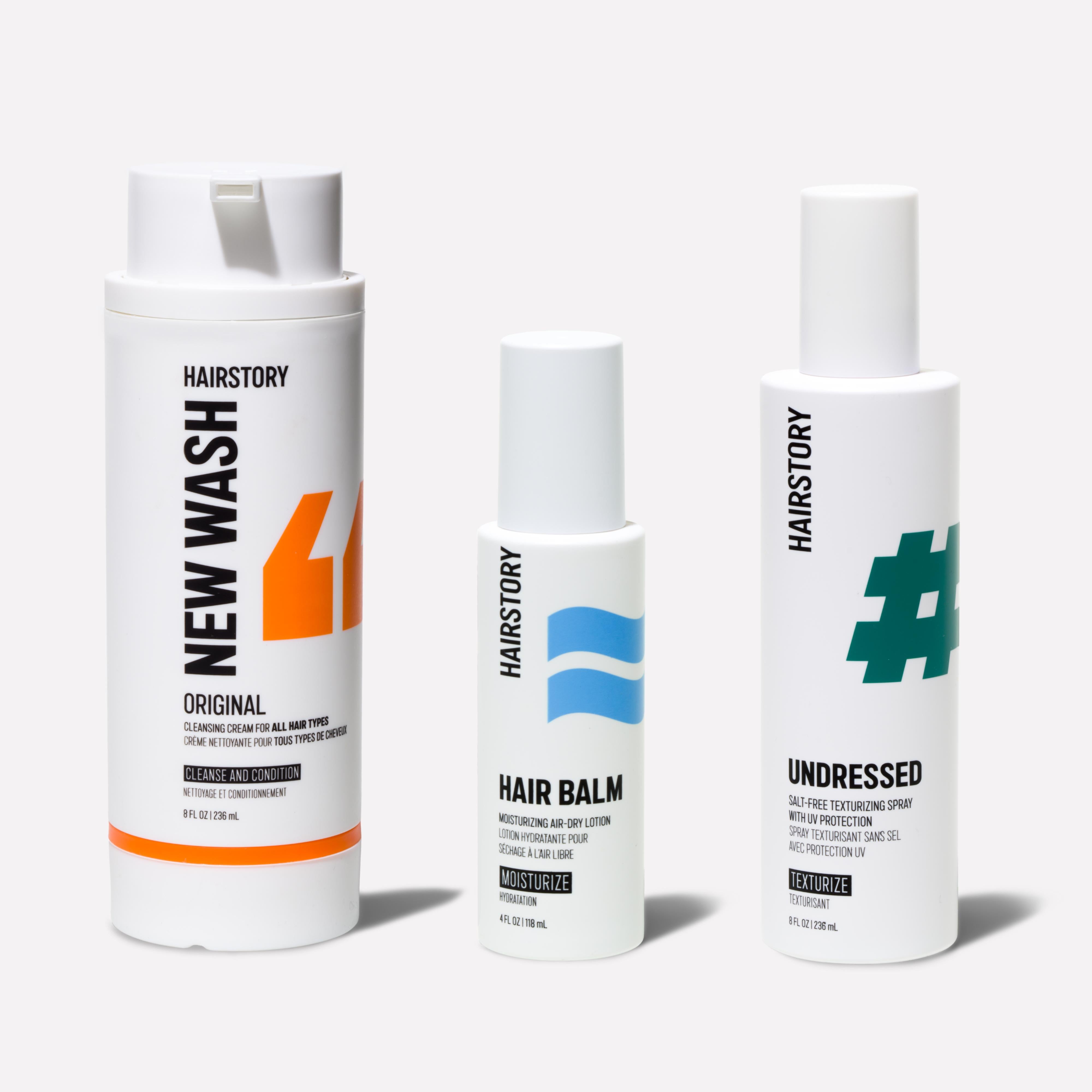
If you're washing daily with a cleanser that contains harsh detergents — like traditional shampoo — you are likely increasing frizz, breakage and porosity. If you're cleansing gently and supporting the scalp barrier with a detergent-free formula like New Wash, daily washing is safe for your hair health and color.
Your takeaway: Formulation matters more than frequency.
Can You "Train" Your Hair to Be Less Oily?
This is one of the most searched myths. The verdict: Oil production is hormonally regulated, so you cannot permanently "train" your scalp to produce less oil by skipping washes.
However, over-washing with harsh cleansers can temporarily stimulate rebound oiliness because the scalp barrier becomes disrupted. When the skin barrier is compromised, sebaceous glands may overcompensate.
What you can influence:
- Inflammation
- Barrier integrity
- Product buildup
- Microbiome balance
A scalp that feels less irritated, less often, will behave more predictably.
What Happens If You Don't Wash Enough?
Whether it's deliberate or unintentional, infrequent washing can lead to:
- Buildup of oil and styling products
- Itchiness
- Flaking
- Follicle congestion
Oil itself isn't harmful. But when combined with environmental pollutants and product buildup, it can create an imbalanced scalp environment — and that can contribute to irritation and increased shedding.
If you're noticing itchiness or flakes, try adjusting your washing frequency. If flakes are persistent or accompanied by redness, it's time to consult a dermatologist.
How Does Washing Affect Hair Porosity and Damage?
Repeated cleansing with harsh ingredients can gradually lift the cuticle, especially when combined with heat styling and chemical processing. When the cuticle remains slightly raised, hair becomes more reactive to humidity and friction — increasing frizz and splitting over time.
If you're dealing with frizz, our guide on how to stop frizzy hair explains how cuticle disruption plays a role. If your hair dries unusually fast or tangles easily, our breakdown of high vs. low porosity hair explains how washing method influences structural integrity.
What's the Healthiest Way to Wash Your Hair?
Washing your hair the healthy way involves focusing on three things.
1. Clean the Scalp, Not Just the Strands
Healthy hair starts at the scalp. While cleansing, massage your scalp gently with your fingertips to lift buildup without scratching. To deep-clean your scalp, apply Hairstory Pre-Wash scalp rinse before cleansing with New Wash.
2. Skip the Extra-Hot Showers
Very hot water can increase cuticle lifting, so lukewarm water is generally ideal. Water above 120°F (49°C) may increase dryness and irritation.
3. Choose a Cleanser That Preserves Structure
Instead of relying on the strong detergents in traditional shampoo, consider a cleansing cream that removes buildup while supporting the scalp barrier.
A detergent-free cleansing cream like New Wash cleans effectively without creating dramatic swelling cycles in the hair fiber. By minimizing repeated structural stress, it helps maintain smoother cuticle alignment over time. Bonus: You don't need a separate conditioner — New Wash replaces both shampoo and conditioner in one step.
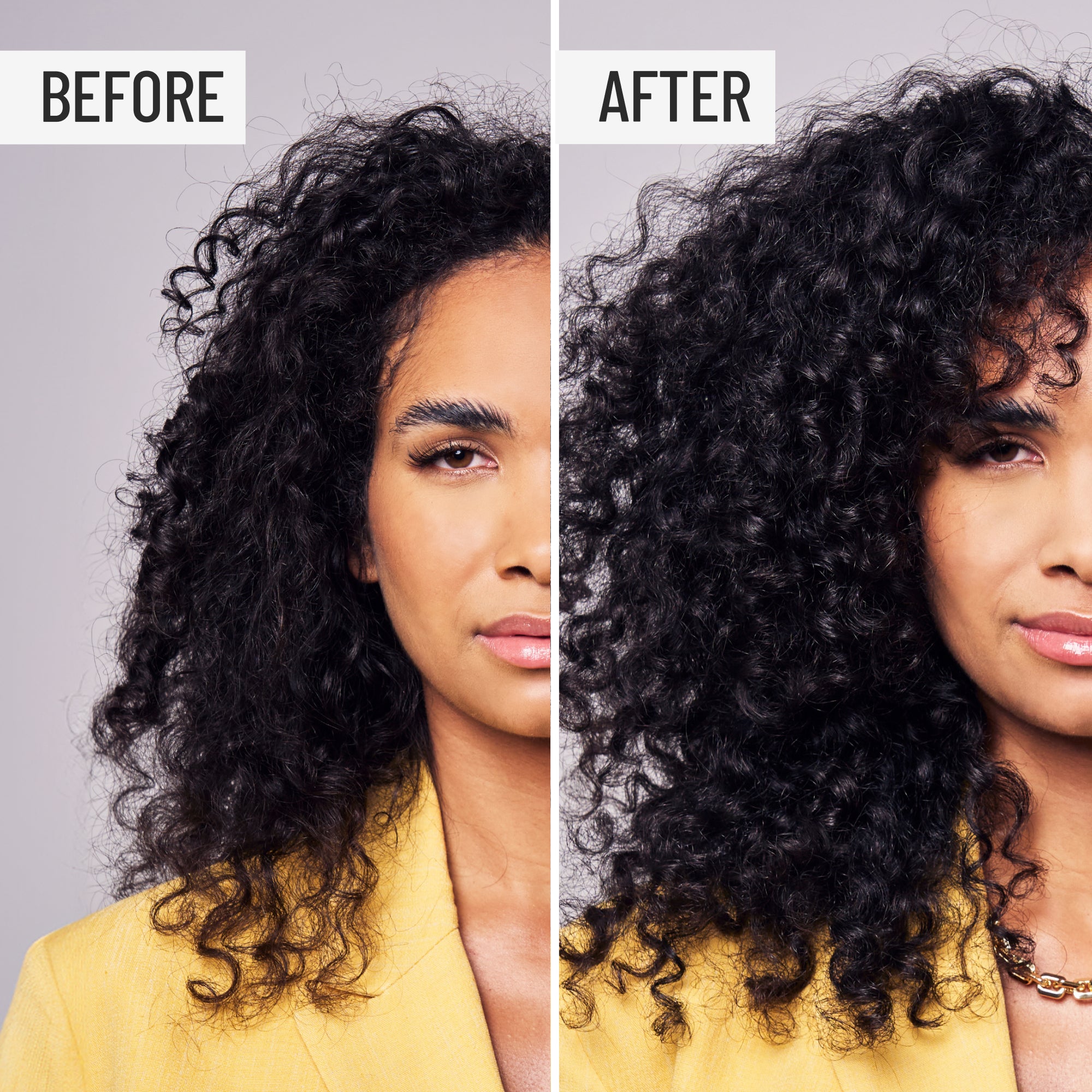
New Wash users often notice improved manageability not because they wash less, but because they cleanse better.
So… How Often Should You Wash?
Here's the grounded answer: Wash when your scalp needs it.
If you feel itchiness, heaviness or visible oiliness, cleanse. If your scalp feels balanced and comfortable, you likely don't need to.
There is no badge for stretching wash days, and there is no trophy for daily shampooing. The goal is scalp balance and structural preservation. When cleansing supports your barrier instead of disrupting it, frequency becomes less stressful and more intuitive.
For more on hair maintenance and easy routines, read these:
- High vs. Low Porosity Hair: What's the Difference?
- How to Stop Frizzy Hair (and Why It Happens)
- Heat Damage Symptoms: How to Tell If It's Too Late
The information in this article is for educational purposes only and is not intended as medical advice. Always consult a board-certified dermatologist or qualified healthcare provider if you have concerns about your hair or scalp health.