Have you realized the impact your individual purchases have on the planet? It’s a challenge to know which businesses to support financially if you don’t know whether to support them ethically.
The ocean, in particular, bears the cost of consumerism, with chemical spills, plastic pollution, overfishing, surface run-off, deoxygenation from fertilizers, and deep sea mining being just a few of the immediate consequences. The burning of oil, coal and gas, as well as deforestation are the primary causes of increased carbon dioxide concentrations in the atmosphere. This behavior has caused a rapid increase in ocean acidification, ocean warming, changes to biological processes, and the death of countless plants and mammals. So what can we do? How do we align our purchases with our priorities?
First, we need to look at what we’re protecting. At the forefront of marine deterioration is the fragile reef ecosystem. Known as the rainforest of the sea, coral reefs are the most diverse of all marine ecosystems. Corals provide three-dimensional structures and substrates to house and feed fish and other marine animals that humans eat. In one way or another, more than 500 million people depend on coral reefs for food, income, coastal protection, and more.
Healthy coral varies in color: olive green, yellow, blue, pink and dark or light brown pigmentation protects against sunlight and other damaging stress factors. When a coral is dying, it loses its color and becomes white.
Coral reef plants and animals are important sources of new medicines being developed to treat cancer, arthritis, human bacterial infections, Alzheimer’s disease, heart disease, viruses, and other diseases. As stationary animals, corals have evolved to develop chemical defenses against predators that are being researched for their medicinal, nutritional, and cosmetic potential.
Despite their outstanding survival strategies, coral reefs are dying at an alarming rate all over the world. With pollution, overfishing, and human-caused ocean warming, 50 percent of the world’s coral reefs have died in the last 30 years, and up to 90 percent may die within the next century. Very few pristine coral reefs still exist, and we are in a race against time.
With extreme urgency, Counting Coral – alongside other organizations – has made it their mission to plant coral and save what is left of these beautiful ecosystems. With limited time to make drastic changes, Counting Coral is taking action to diminish the devastating effects of coral loss by changing the way coral gardeners garden coral.
Our new approach to reef restoration is to harvest rare climate-tolerant coral and place it on sculptures specifically designed to protect coral from predators. These precious, valuable corals will be kept safe and allowed to grow to spawning maturity and naturally propagate.
Counting Coral’s sculptures are made from durable and non-corrosive marine-grade stainless steel. Differing from most coral gardening practices, Counting Coral’s structures are not only practical, but are beautifully designed, and add a visually appealing aesthetic to the underwater world.
Counting Coral’s vision is to create protected areas around the world where large, managed sculptural nurseries can be built. These will be managed by Counting Coral as concessions, with the sole purpose of self-generated revenues going directly back to reef restoration. Dive operators, hoteliers, restaurants and local communities gain marketing opportunities from the new revenue streams and become stakeholders. In most cases, our sculptures will be sites for scientists and marine biologists to to study coral in a controlled environment.
Worldwide government initiatives have been set; by the year 2030, 30% of oceans will have been protected. While this is a great overall plan, current findings show that marine areas may be “protected” on paper with very little protection and even less management. This is where we differ: Counting Coral and surrounding communities become stakeholders of these parks – with an incentive to manage and protect.
The beautifully designed sculptural installations create meaningful ways to engage people with the mission to conserve coral and marine life. Counting Coral strives to positively influence and educate about how to better care for our planet.
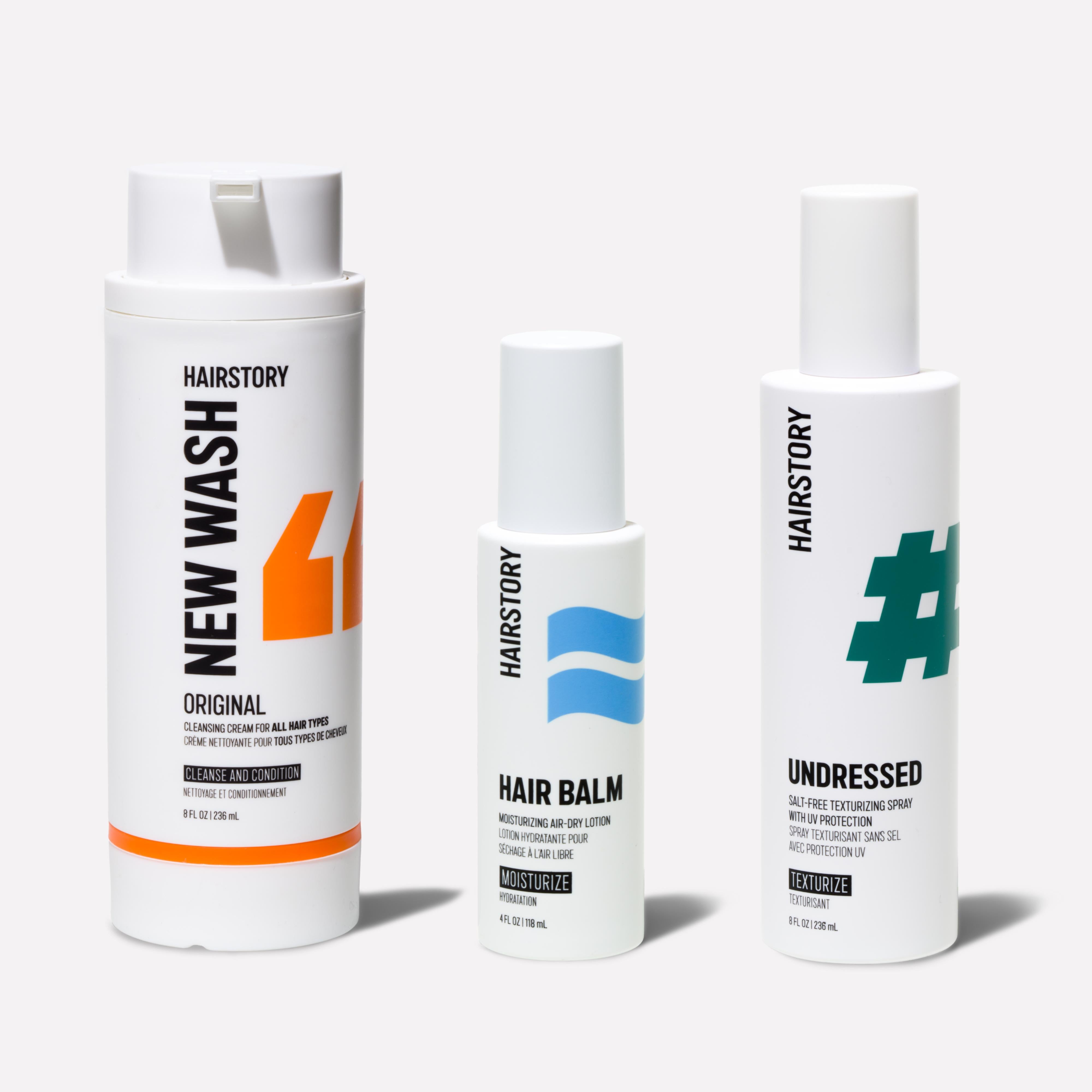
With such a large mission at hand, fighting for environmental protection is simply impossible to do alone. In such trying times, collaboration, philanthropy, and support is needed most. Counting Coral is grateful to be partnered with and work alongside environmentally conscious companies whose morals align. A standout is our friends at Hairstory.
Hairstory has stepped beyond the limitations of the industry, starting with the way they guide people to think about hair, and how those choices extend beyond it. Not only have they worked to rethink hair products, they’ve done one of the hardest things in the beauty industry – make meaningful steps towards sustainability and conscious consumerism.
Hairstory is creating clean beauty products free of harmful ingredients whilst simultaneously communicating the power of personal purchase – socially, economically, and environmentally. By limiting plastic waste and making refills easy, Hairstory has significantly contributed to the future of healthy oceans.
The beauty industry is one of the most detrimental to coral reefs; packaging is often not recycled; common ingredients increase disease up to 94%, decrease fertility in fish, and destroy coral reefs. As more and more of these plastics make their way into oceans, harmful waste products will continue to build up.
Hairstory has decided to not only support the ocean in their proactive environmental efforts, but to directly support Counting Coral through a large donation that will drastically change the momentum of what we aim to do.
Counting Coral’s projects are entirely financed by the general public, individual philanthropy, sponsors, and small and large businesses. Our nonprofit model means that all donations go directly into the reef restoration projects; every penny makes a world of difference. With no product to bring to market, driving awareness and raising funds are challenging for a nonprofit.
Over the last year, Counting Coral has raised money for design, materials, steel cutting, welding, and sculptural assembly. Hairstory’s philanthropic contribution to Counting Coral has now allowed us to support an experienced team of specialized divers to sink and anchor the sculptural coral nursery marine park to the sea floor.
The founder of Counting Coral, Jolyon Collier, has over 38 years as an experienced craftsman, metalsmith, and artist. He plans for a 4-week installation before the hand planting process to sink the ornate sculptural nursery inspired by French and Belgian Art Nouveau.
Environmental protection is an individual responsibility for all human beings. Losing large portions of the natural world will drastically reduce the human quality of life, and threaten our children and theirs.
No species that destroys its own habitat survives. There is no way to get “out of” taking care of ours nor should there be. The more we contaminate and destroy, the more valuable remaining areas become. Will we eventually out-consume our ability to sustain ourselves?
When more brands and companies share this same determination for environmental protection, we could see monumental changes in the years to come.
Be conscious of everything you do and everything you consume. Take the extra second, the extra minute. The clock is ticking; we don’t want to know what happens when it runs out.