10 Ways Hairstory Hairdressers Create Gender-Affirming Spaces

10 Ways Hairstory Hairdressers Create Gender-Affirming Spaces

By Hairstory

10 ways Hairstory hairdressers create gender-affirming spaces — from intake forms and inclusive language to mirror-free consultations and thoughtful aftercare.

Published on June 24, 2026 — 3 min read

Share this article

Home / The Archive / 10 Ways Hairstory Hairdressers Create Gender-Affirming Spaces

The salon can be one of the most vulnerable places a person walks into. As hairdressers, we have the power to change that. Here are ten ways Hairstory hairdressers create spaces where every client feels seen, respected, and at home.

  1. Use the map on dresscodeproject.com to find a gender affirming salon.

  2. Present yourself in your space as welcoming and friendly → maybe it's a pin with pronouns or on your apron or playing music in the background. You can also ask if they want a drink or even some stress toy to play with. Never fails.

  3. Educate yourself continuously and stay on top of trends and inclusive techniques to alleviate the anxiety of your clients' initiating a conversation.

  4. Create an intake form or questionnaire to ask clients to share their preferred name, pronouns, hair goals, and the "anything else you'd like to share?" question.

  5. Have a one-on-one conversation before you bring them in the chair or even to somewhere more private than the salon floor.

  6. Do a Pinterest search with your client looking at a variety of hairstyles to offer them more of a range, which allows them to make a decision with you instead of on their own.

  7. "Your best self" imagery technique → Clients who are open to visualizing themselves can close their eyes and picture being in the best place in the world, dressed to the nines, with their best hair. Ask them what they envision and what they feel like when they open their eyes.

  8. Talk about the haircut → you don't need to use gendered descriptors. Describe hair by shape, weight, length, movement, and texture instead. Ask their zodiac sign, why the hell not. 

  9. Be cautious of using mirrors → while hairdressers require mirrors to cut your hair, that doesn't mean clients do. For clients, the image in the mirror may not match how they see themselves internally. Ask first to gauge their comfortability. If they're uncomfortable, simply turn the chair away from the mirror and tell them they don't need to see the results, just feel them. It shifts the experience from visual to sensory, which for many makes them feel more connected to their identity.

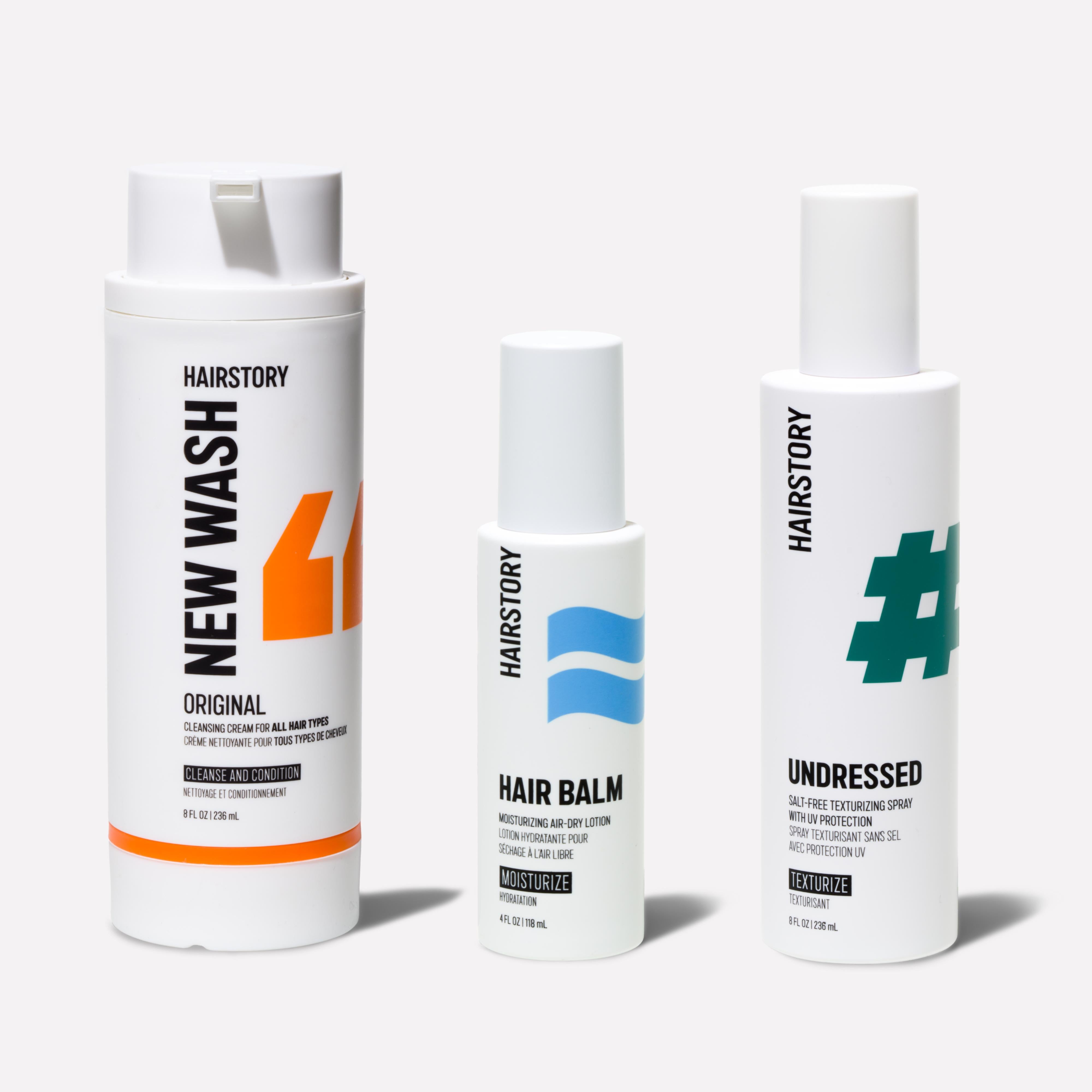
  10. Make aftercare part of the conversation → product recommendations, styling tips, folks to follow on social media. For clients navigating hair texture changes, New Wash is an easy, low-maintenance detergent-free option that can help your hair behave naturally.

Keep Reading

The information in this article is for educational purposes only and is not intended as medical advice. Always consult a board-certified dermatologist or qualified healthcare provider if you have concerns about your hair or scalp health.

Frequently Asked Questions

  • How can I make my salon more welcoming for gender-diverse and LGBTQ+ clients?
    There are several ways to signal that your salon is a safe, inclusive space. Start by listing your salon on the Dress Code Project directory at dresscodeproject.com, wear a pronoun pin, or play affirming music in the background. Creating an intake form that asks for preferred name, pronouns, and hair goals also helps clients feel respected before they even sit in the chair.
  • What should a gender-affirming salon intake form include?
    A thoughtful intake form should ask for a client's preferred name, their pronouns, their hair goals, and include an open-ended field like 'anything else you'd like to share?' This gives clients the agency to share what they're comfortable with on their own terms, before any face-to-face interaction.
  • How do I talk about haircuts without using gendered language?
    Describe hair in terms of shape, weight, length, movement, and texture rather than relying on gendered descriptors like 'feminine' or 'masculine.' This approach keeps the conversation focused on the hair itself and helps clients of all gender identities feel comfortable communicating what they want.
  • Should I use mirrors when cutting hair for clients with gender dysphoria?
    Not necessarily — it's best to ask first. For many clients, the image in the mirror may not match how they see themselves internally. Try turning the chair away from the mirror and inviting clients to feel the results rather than see them, shifting the experience from visual to sensory. This can make the appointment feel more connected to their identity.
  • What is the 'best self' visualization technique for hair consultations?
    The 'best self' imagery technique invites clients to close their eyes and picture themselves in the best place in the world, dressed to the nines, with their best hair. The hairdresser then asks what they envision and how they feel when they open their eyes. It's a powerful way to uncover a client's hair goals without relying on gendered language or external references.
  • How can I help a client who feels anxious about their hair appointment?
    Small gestures go a long way — offer a drink, provide a stress toy to fidget with, and have a one-on-one consultation before bringing the client to the chair, or somewhere more private than the salon floor. Using a Pinterest search together to browse a range of hairstyles can also ease anxiety by making it a collaborative decision rather than putting all the pressure on the client.
  • What hair care products work well for clients navigating hair texture changes?
    New Wash by Hairstory is an easy, low-maintenance option worth recommending. As a detergent-free cleansing cream, it replaces both shampoo and conditioner in one step and helps hair behave more naturally — making it especially useful for clients experiencing changes in hair texture. New Wash is available in three formulas: Original for normal to thick hair, Rich for dry or curly hair, and Deep for fine or oily hair.
  • How can hairdressers stay educated on inclusive techniques for gender-diverse clients?
    Continuous education is key — staying on top of inclusive cutting and styling techniques reduces the burden on clients to initiate difficult conversations. Resources like the Dress Code Project (dresscodeproject.com) offer both a directory of gender-affirming salons and community support for hairdressers looking to grow their knowledge in this area.

SO, WHAT’S YOUR STORY?

Answer a few (easy) questions to get your personalized routine.