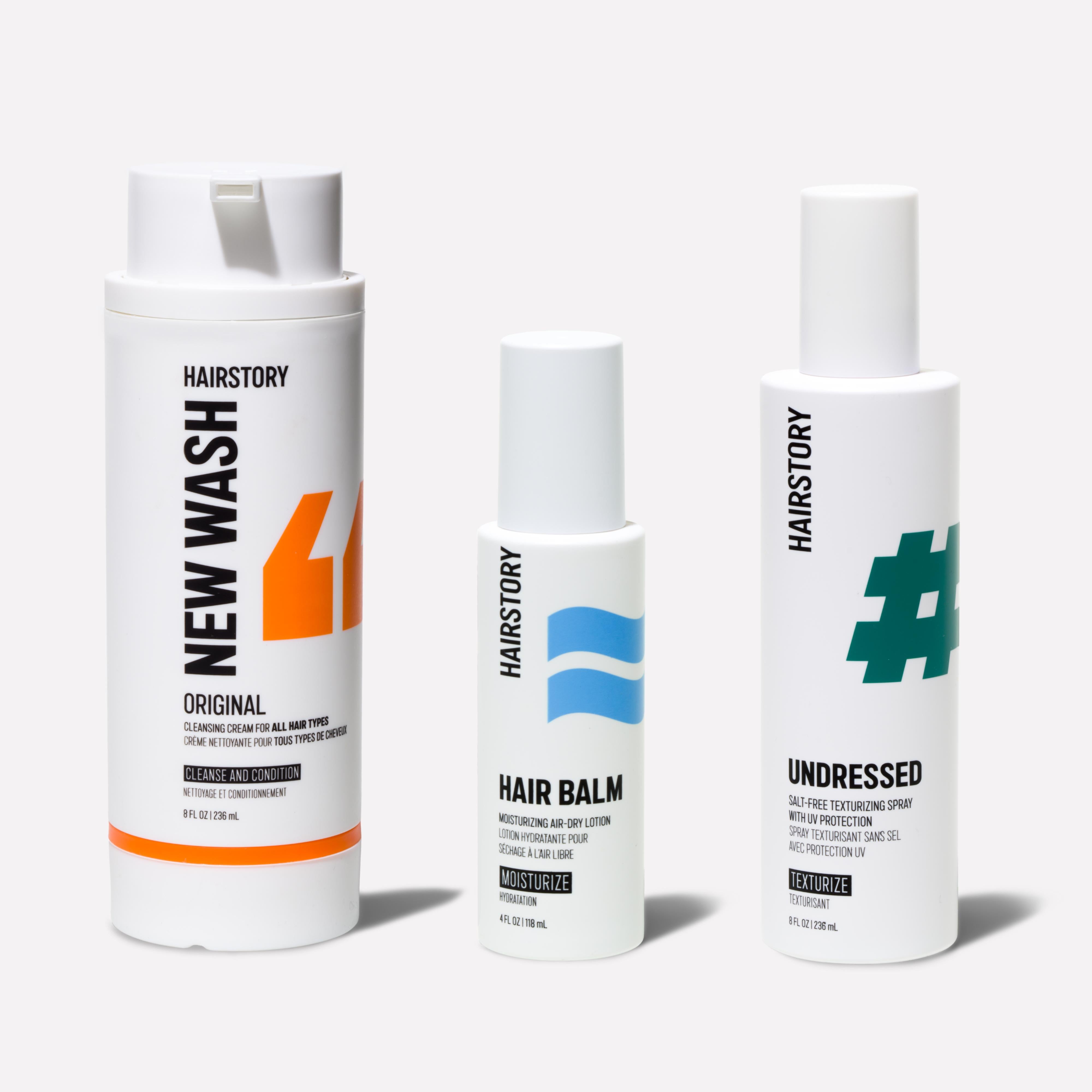
Now through the end of this year, Hairstory’s charitable giving initiative through 1% for the Planet will continue to focus on organizations that feed people in need and educate about the importance of sound nutrition for the health of our bodies, our society, and our planet.
Founded in 1982, City Harvest is New York City’s largest food rescue organization helping distribute an abundance of excess food to struggling New Yorkers. It has grown to include 22 trucks, 160 staff members, thousands of volunteers, a Food Rescue Facility, and the generous support of many food and financial donors. To date, City Harvest has rescued and delivered over 800 million pounds of nutritious food. We asked them to tell us more about the work they do.
What is food security? How does City Harvest work to ensure it?
Being food-secure means not having to worry about where your next meal is coming from. Even before the COVID-19 pandemic, 2.5 million working-age New Yorkers were struggling to make ends meet. Many of our neighbors had to choose between paying rent and buying groceries. Grocery budgets can be flexible when families need to stretch their dollars to afford other basic needs, and families confronted with high costs in other areas such as housing end up food insecure.
Today, City Harvest is helping to feed the more than 1.5 million New Yorkers who are struggling to put meals on tables. We will rescue 109 million pounds of food this year and deliver it, free of charge, to hundreds of community partners across the five boroughs.
How has COVID-19 impacted food security?
With unemployment hovering at 20 percent, the number of New Yorkers experiencing food insecurity is expected to surge nearly 40 percent – as much as 50 percent among children – as a result of the pandemic.
Just as the COVID-19 and economic crises hit New York’s communities of color the hardest, so too has the food insecurity crisis. The neighborhoods with the highest COVID-19 death rates are overwhelmingly communities of color and are projected to experience significantly higher food insecurity rates than more white, less impacted neighborhoods.
Do you predict a higher demand for food in the near future?
Our work feeding New Yorkers is urgently needed now more than ever. Schools have reopened to some students, providing a much-needed source of food. However, with targeted school and business closures to help keep the virus’s spread under control, fall and winter will be difficult and unpredictable. As the weather cools and virus hot spots re-emerge, City Harvest will stand with our neighbors a deepening, chronic food insecurity crisis.
Are you are working on initiatives for the remainder of the year?
Starting October 20, we will be teaming up with the Daily News to host the city’s largest annual food drive, with a goal of collecting 1 million pounds of nutritious food for our neighbors in need. Individuals can run a traditional or virtual food drive through January 22, 2021.
Throughout November, we will be delivering 14,000 turkeys to soup kitchens and food pantries throughout the city to help provide nutritious Thanksgiving meals. City Harvest will remain focused on rescuing and delivering food for children, families, seniors, and the growing number of New Yorkers in need as we contend with devastating economic fallout.
How can people get involved with City Harvest?
The best way to support our work is by donating funds, so we can continue to swiftly respond to the increasing and unprecedented need. To donate and learn more about how your support impacts our work, visit cityharvest.org/donate. You can also follow our social media channels:
Facebook: @cityharvestnyc
Instagram: @cityharvestnyc
Twitter: @cityharvest