There are many great reasons to make peppermint oil a part of your scalp care ritual—not just because it feels and smells so refreshingly cool. This remarkable oil, derived from a common yet potent plant, offers numerous benefits for hair growth and scalp health. Adding a hair cleanser with essential oils is a fantastic way to give both your hair and scalp the care they deserve. Read on to discover the top benefits of peppermint oil for hair growth and why it’s quickly becoming a favorite in hair care
WHAT IS PEPPERMINT?
Peppermint is native to the Middle East and to Europe and is cultivated in many regions of the world; in fact it will grow pretty much anywhere with enough moisture. The peppermint plant has leaves that are fuzzy, dark green with rosy veins; its flowers are lavender to purple and clustered in spikes. Gardeners may call it invasive – as do Australians and residents of the Galápagos Islands, New Zealand, and the Great Lakes region here in America – though you can also spot it in the wild where its parent species spearmint and watermint grow.
WHAT IS IN PEPPERMINT OIL?
Peppermint is a versatile plant native to the Middle East and Europe, valued for its fresh aroma and cooling properties. Its oil, derived from the leaves, is widely used in hair care for its benefits to both scalp health and hair growth.
Benefits of Peppermint Oil for Hair
Using peppermint oil in your hair care routine is a way to show your scalp some love. Peppermint essential oil is an antimicrobial, vasodilating, and anti-inflammatory agent—reasons it is reported to boost hair growth and even help relieve headache pain. But the benefits go even further. Here’s how peppermint oil can enhance your scalp and hair health:
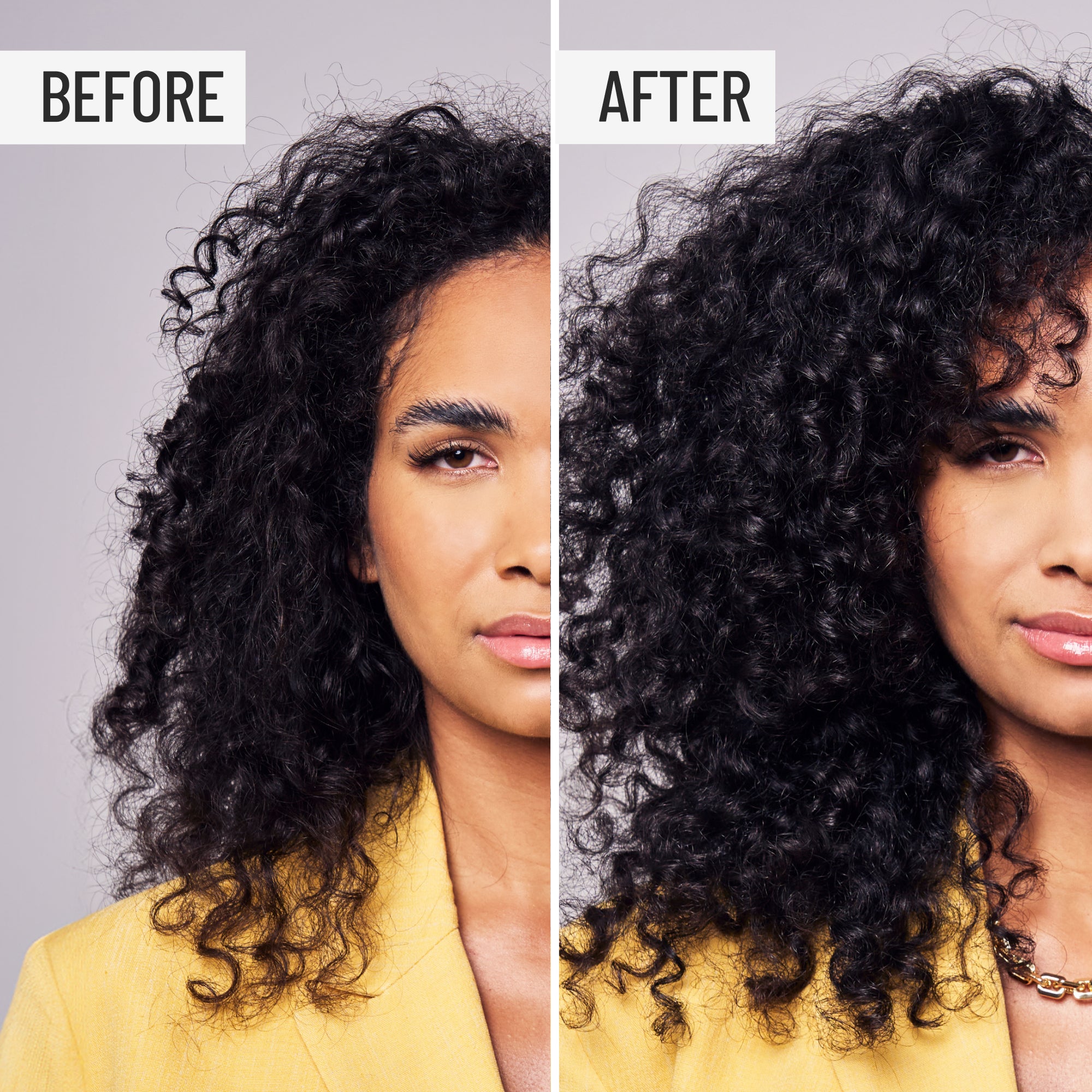
- Stimulates Hair Growth: Vasodilation, or the expansion of blood vessels, is a key property of peppermint oil. This process improves blood flow, delivering essential vitamins and nutrients to the hair follicles where strands take root. Restricted blood flow can speed up hair loss, but increasing circulation may help prevent it. As highlighted in Toxicological Research, peppermint oil has been shown to promote faster, thicker growth, outperforming minoxidil, a widely recognized hair growth treatment approved by the USFDA.
- Helps Prevent Hair Loss: Does peppermint oil help hair growth and prevent hair loss? Yes, it can! By nourishing the scalp and stimulating follicles, it reduces the chances of premature shedding.
- Fights Dandruff and Scalp Irritation: The antimicrobial and anti-inflammatory abilities of peppermint oil make it an ideal choice to prevent and relieve dandruff, dermatitis, and burning or itching. While it doesn’t cure underlying conditions like seborrheic dermatitis, peppermint oil helps control flaky symptoms.
- Provides a Cooling and Refreshing Sensation: Thanks to menthol, peppermint oil leaves your scalp feeling invigorated. This natural cooling effect also soothes discomfort caused by dryness or irritation.
- Balances Scalp Oil Production: Whether your scalp is oily or dry, peppermint oil regulates sebum levels, creating a healthy environment for hair growth.
- Protects Against Environmental Damage: Peppermint oil’s antioxidant properties shield the scalp from harmful free radicals caused by pollution, UV rays, and other environmental aggressors.
- Relieves Tension Headaches: Beyond hair care, peppermint oil’s cooling and relaxing properties make it a natural remedy for tension headaches. Apply a few drops in a carrier oil, massage your temples, and feel the relief.
HOW DO I USE PEPPERMINT OIL?
1. Look for products that are made with peppermint oil.
Many products include Peppermint oil in formulation, but look carefully at the ingredients because those products that have a minty aroma may only contain menthol, which is only one component of Peppermint, and not the essential oil itself; make sure you see the latin name “Mentha Piperita.”
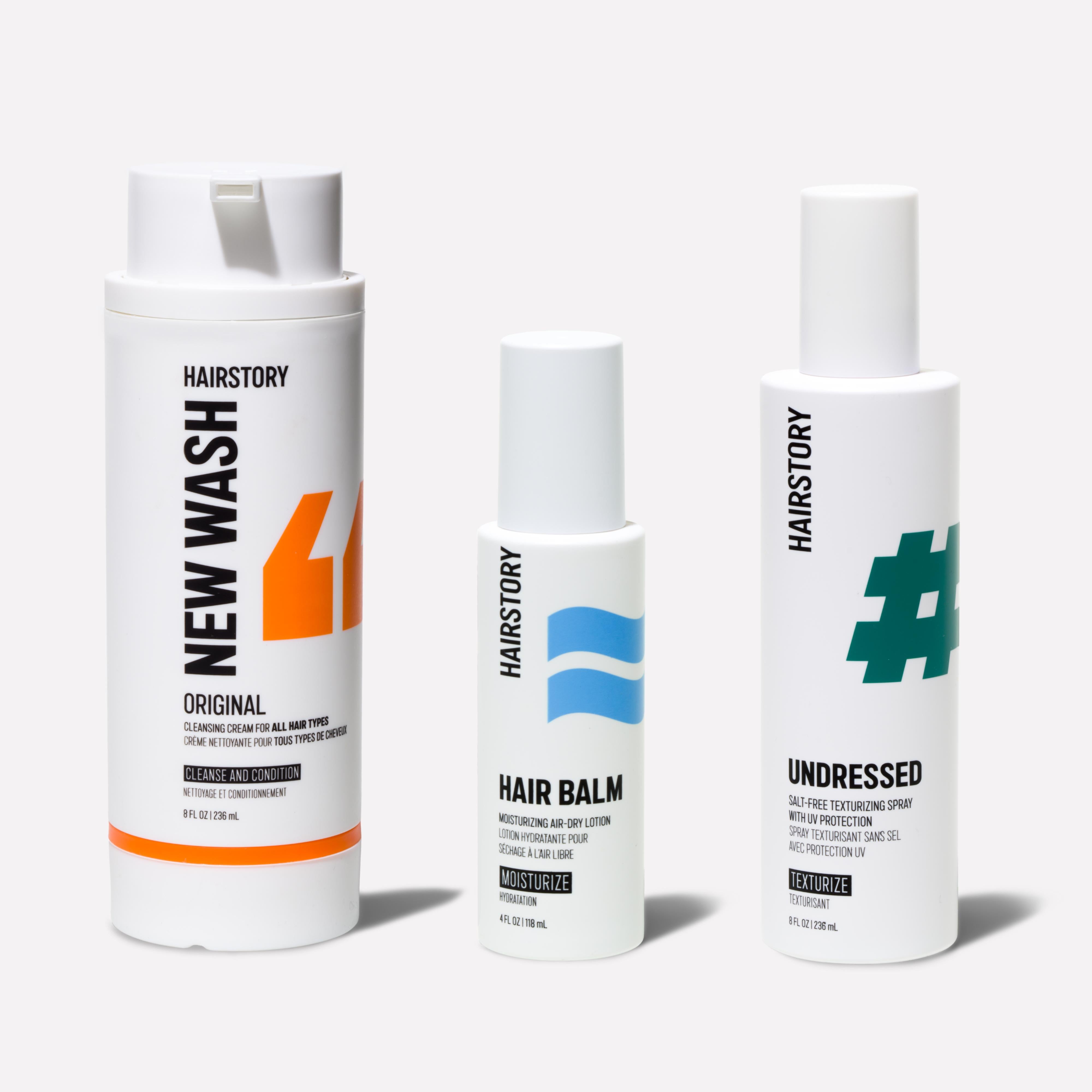
Hairstory New Wash, a detergent-free shampoo alternative, is formulated with essential oils at its core. Peppermint oil is one of these vital ingredients, alongside Sunflower seed, Evening Primrose, and Jojoba, which is especially good for hair.
2. Add some to the hair products that you already use.
Lend your usual shampoo or conditioner some extra power by adding a several droplets of peppermint oil to a generous dollop, then use it as you normally do.
3. Apply it directly with a good scalp massage.
Measure about a tablespoon of a “carrier,” such as shea, coconut oil, or even jojoba oil and blend peppermint oil into it. A little goes a long way! This is essential because of the fact that undiluted peppermint oil can burn. If you’re curious about what carrier oil to use, learn more about what essential oils are good for hair and scalp. Massage the mixture thoroughly and gently into your scalp, being mindful of your fingernails so you don’t scratch yourself. Leave the mixture on your head for about 15 minutes to do its magic, then wash, rinse, and style as usual.
Hairstory New Wash, a detergent-free shampoo alternative, is formulated with essential oils at its core. If you’ve ever wondered if jojoba oil is good for hair, we can help you figure that out. Peppermint oil is just one of many beneficial oils that help hair, alongside Sunflower seed, Evening Primrose, and Jojoba oil.
BEFORE YOU USE PEPPERMINT OIL
• Again, always use peppermint oil by mixing it with a moisturizing carrier oil before you put it on your body.
• Avoid getting any kind of essential oils in your eyes.
• Make sure to choose an oil that is made to use on your skin, and not one made for diffusers or other method.
Peppermint oil can be a beneficial way to manage scalp issues. We won’t go so far as to call it a cure for hair loss, but there is encouraging evidence that it boosts healthy hair growth. Even if you simply love the smell and the cooling sensation, you’ve got nothing to lose, and a lot to gain.
* * * * * * * *
Sources:
https://en.wikipedia.org/wiki/Peppermint
https://www.healthline.com/health/peppermint-oil-for-hair#research
https://www.byrdie.com/peppermint-oil-for-hair
http://koreascience.or.kr/article/JAKO201402755363070.page